
Having conquered the breathtaking peaks dotting the Philippines, the allure of towering summits becomes an insatiable thirst for more. The rugged landscapes and stunning vistas of the local mountains only whet the appetite for greater challenges. Thus, the journey extends beyond borders, leading to the exploration of the Asia Trilogy: Mt. Kinabalu (Malaysia), Mt. Yushan (Taiwan), and Mt. Fuji (Japan).
Scaling the iconic peaks of Asia, each with its own unique character and demanding terrain, becomes the next chapter in this relentless pursuit of heights. Yet, the desire for more remains unquenchable, propelling the adventurer further into towering giants and unexplored heights. The mountains of Asia become the canvas for an unfolding odyssey, where each ascent only intensifies the hunger for the next, revealing an endless quest for the summit’s elusive embrace: the seven summits.
What are the seven summits?
The 7 Summits, a coveted mountaineering challenge, represent the highest peaks on each of the seven continents. This illustrious list includes towering Everest in Asia, Aconcagua in South America, Denali in North America, Kilimanjaro in Africa, Mount Elbrus in Europe, Mount Vinson in Antarctica, and Puncak Jaya (Carstensz Pyramid) in Oceania.

Completing the Seven Summits requires conquering these diverse and challenging peaks, showcasing physical prowess, and having a profound connection with the world’s most iconic landscapes. As a pinnacle achievement in the world of mountaineering, understanding and undertaking the 7 Summits challenge becomes a beacon for adventurers seeking the ultimate conquests across the globe’s highest points.
Here’s Everything You Need to Know About the Seven Summits of the World
Prepare for an exciting journey as we delve into the Seven Summits, exploring the lesser-known wonders and fascinating fun facts that make each peak unique. Let’s unravel the intriguing details that add an extra layer of excitement to the world of the Seven Summits.
1. Mt. Everest (8,848 m)

Crowned as the jewel of the Himalayas and Earth’s highest point, Mount Everest stands as an emblem of awe-inspiring grandeur and indomitable human spirit. This legendary peak beckons adventurers with its snow-clad majesty and formidable challenges.
Climbing Mount Everest requires not only physical strength and endurance but also, more importantly, mental fortitude, especially when you begin to navigate those treacherous icefalls, towering seracs, and, of course, the infamous “Death Zone,” where oxygen levels are critically low.
Known for its moniker as the “roof of the world,” Mt. Everest’s summit offers a breathtaking panorama that stretches across the vast expanse of the Himalayan range. Beyond the statistics and challenges, Everest holds a mystique that captivates the hearts of those who dare to dream of reaching its pinnacle, making it an enduring symbol of human ambition and triumph over nature’s extremes.
2. Vinson Massif (4,892 ml)
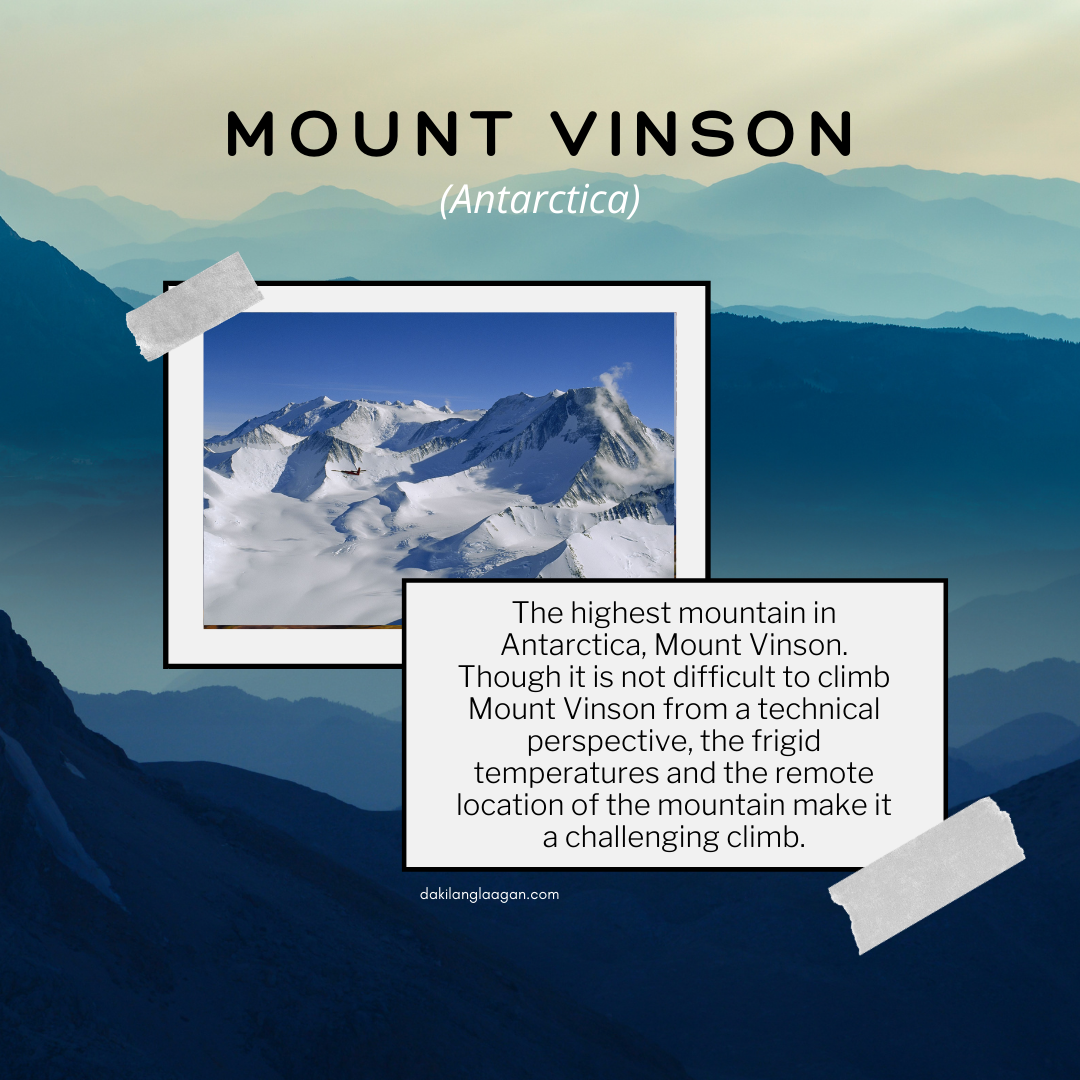
Standing as the pristine and remote jewel in Antarctica, Vinson Massif offers a unique mountaineering adventure amidst the frozen expanses of the continent. This summit poses distinctive challenges, including extreme cold and unpredictable weather.
Climbers on a journey to Vinson Massif need to navigate icy formations and vast glaciers, creating a unique polar mountaineering adventure. Despite the challenges, the summit offers unmatched panoramic views of Antarctica’s frozen landscapes, making Vinson Massif an exceptional destination for those seeking adventure in one of the Earth’s most extreme environments.
3. Denali (6,914 masl)

Towering majestically in North America’s Alaskan wilderness, Mount Denali is an iconic summit that presents climbers with a formidable challenge, featuring severe weather conditions and unpredictable storms. Formerly known as Mount McKinley, the journey to the top of this mountain entails navigating through breathtaking rugged terrain, massive glaciers, and steep ice slopes.
Climbers scaling Mount Denali are treated to breathtaking views of the Alaskan wilderness, revealing the untamed beauty of Denali National Park. This iconic peak symbolizes the wild spirit of the Alaskan frontier, making it a sought-after destination for adventurers seeking both physical and spiritual elevation.
4. Carstensz Pyramid (4,884 m)

Situated in the remote and rugged Papua Province of Indonesia, the Carstensz Pyramid, also known as Puncak Jaya, stands as one of the Seven Summits, representing Oceania. Rising from an exotic rainforest landscape, this summit stands alone in requiring specialized skills, as opposed to alpine mountaineering techniques on other peaks.
As the highest peak in Oceania, this summit provides a captivating adventure, showcasing the diversity of the Seven Summits and the remarkable landscapes of Papua’s untouched wilderness. Climbers can choose the Normal Route or Harrer’s Route, often flying into Base Camp by helicopter for the 12- to 14-hour round trip to the summit. Although an alternative hiking route from Ilaga to Base Camp exists, it is less favored due to constant rainfall in the rainforest. With a relatively stable equatorial climate, the timing of the climb typically aligns with the guide company’s expedition schedule.
5. Aconcagua (6,962 masl)
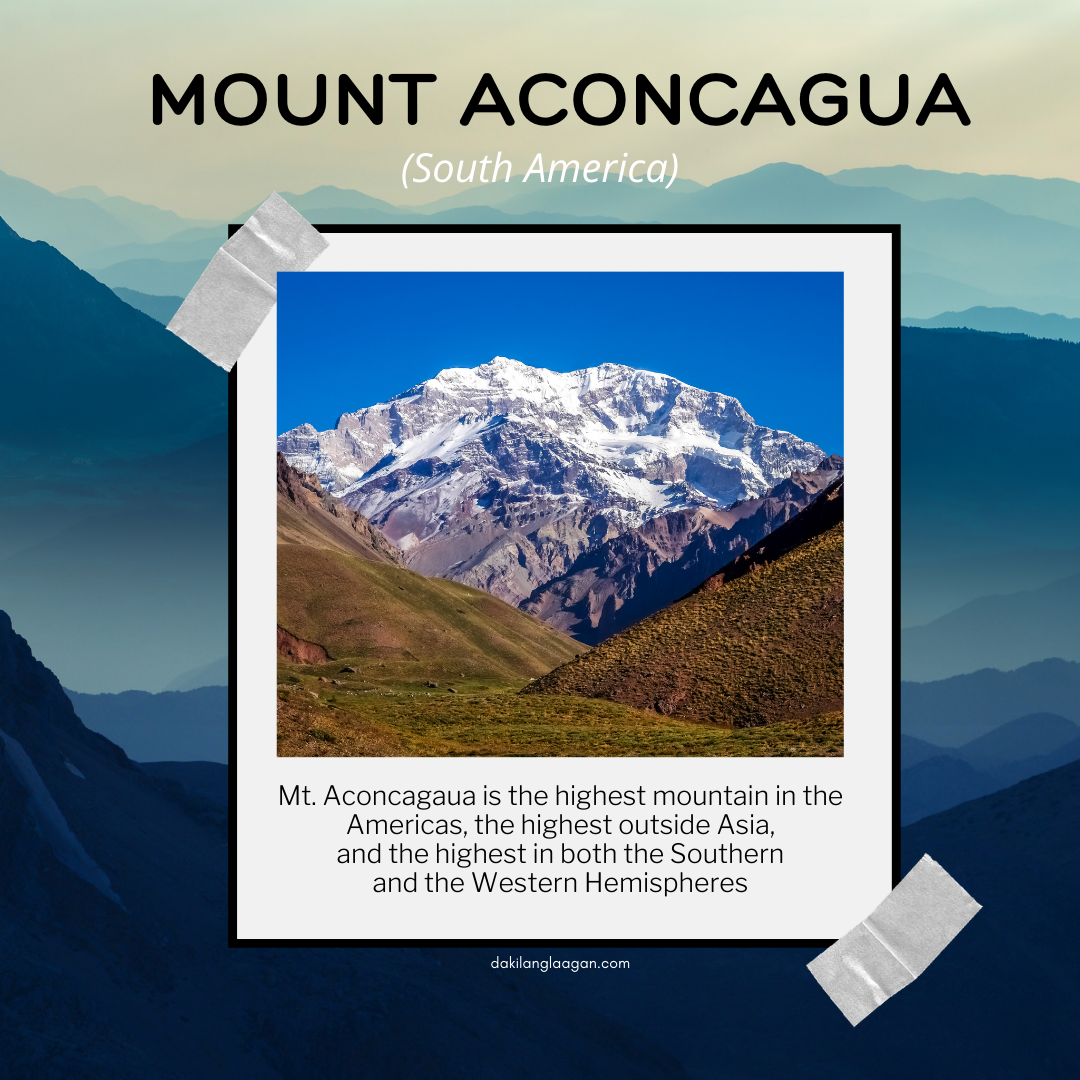
Often considered one of the easiest climbing peaks for its height and not particularly technical, Aconcagua is known for its breathtaking landscapes and diverse ecosystems. Aconcagua offers climbers a challenging ascent characterized by high-altitude conditions, unpredictable weather, and glacier-covered terrain.
While lacking the technical difficulties of some of the other Seven Summits, Aconcagua demands physical endurance and acclimatization. The ascent typically follows the Normal Route, a non-technical path that leads climbers through stunning valleys and plateaus. With its awe-inspiring views and reputation as the highest peak in both the Southern and Western Hemispheres, Aconcagua beckons adventurers seeking a monumental challenge in the heart of South America.
6. Kilamanjaro (5,895 masl)
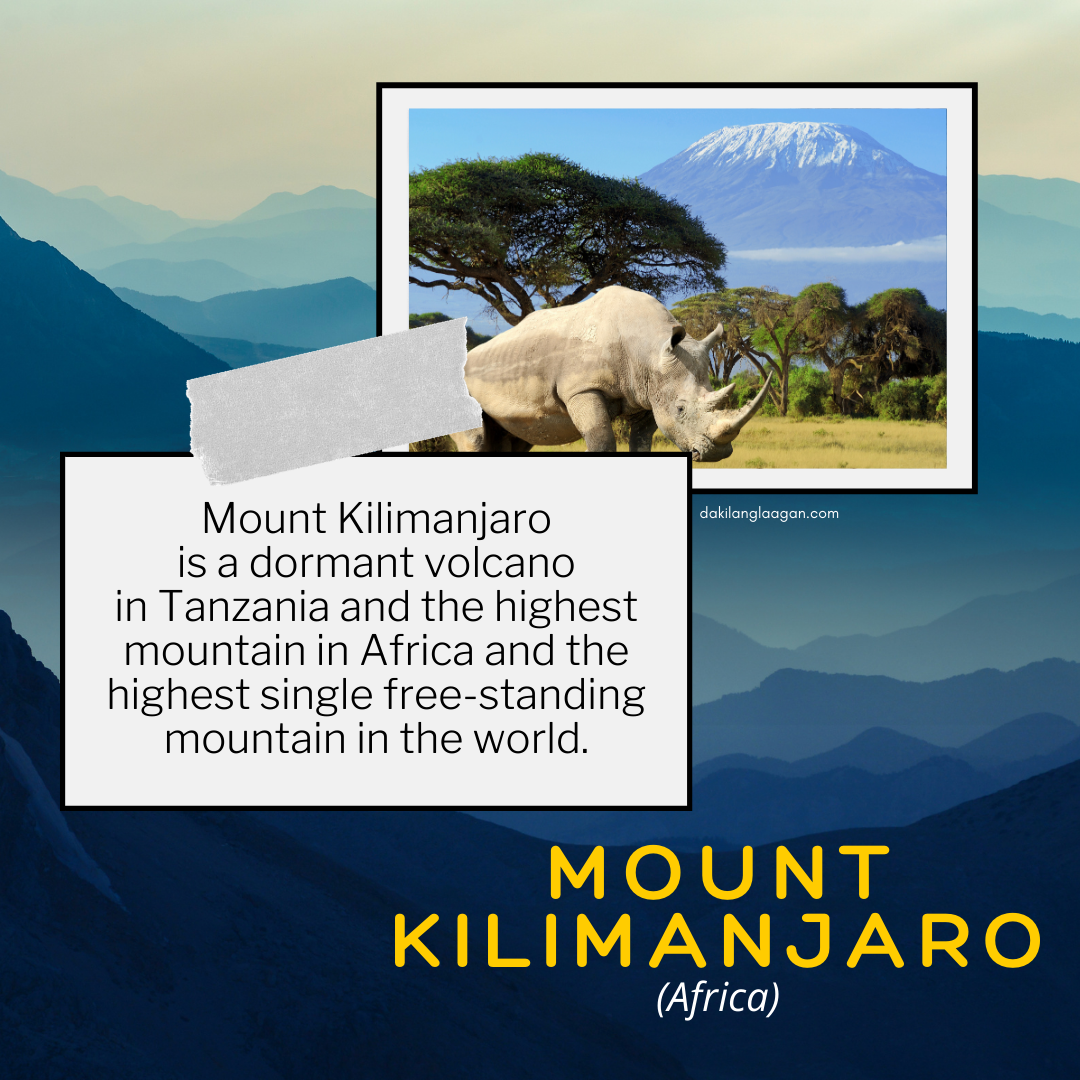
Because of its non-technical nature, akin to Mt. Aconcagua, and moderate difficulty, the iconic Mt. Kilimanjaro is often one of the first summits to be attempted by extreme-altitude mountaineers—and those who want to complete the seven summits. This majestic giant in Africa stands tall at 19,341 feet in Tanzania.
With its snow-capped summit juxtaposed against the equatorial plains, the mountain presents a captivating blend of ecosystems, from lush rainforests to alpine meadows. The ascent typically follows well-established routes, such as the Marangu and Machame routes, offering climbers a non-technical yet physically demanding journey.
Kilimanjaro’s allure lies not only in its remarkable height but also in its role as a free-standing volcanic massif, making it an enticing destination for those seeking a memorable adventure amid East Africa’s breathtaking landscapes.
7. Elbrus (5,642 masl)
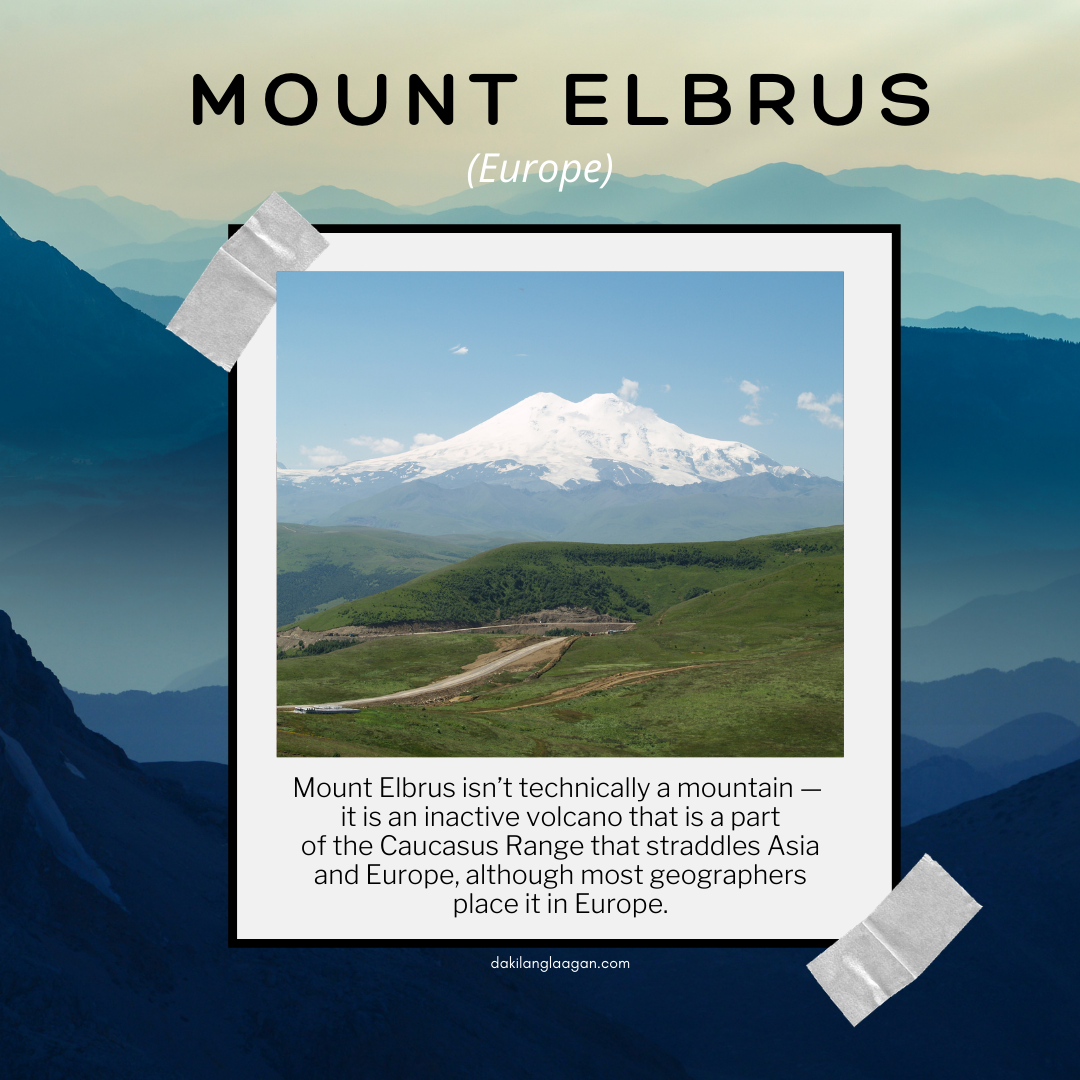
Mount Elbrus, the highest peak in Europe, stands proudly in the Caucasus Range in Russia, soaring to an elevation of 18,510 feet (5,642 meters). This dormant volcano, marked by its twin summits, serves as a challenging yet accessible ascent for climbers aiming to conquer the Seven Summits.
Known for its snow-capped splendor and breathtaking alpine landscapes, Mount Elbrus offers multiple routes to its summit, with the southern route from the Barrels Huts being the most popular. Despite being a non-technical climb, the extreme altitude demands proper acclimatization and respect for the mountain’s unpredictable weather conditions.
Climbers making their way to the top are often rewarded with panoramic views of the Caucasus Mountains, making Mount Elbrus a captivating destination for those seeking both adventure and the thrill of standing atop Europe’s highest point.
Aside from Mt. Everest, what mountain holds a special place in your heart? The journey to these seven summits is not just about reaching high peaks; it’s an adventure that tests endurance and determination—from the iconic heights to snowy landscapes. Each summit tells a unique story of triumph over nature’s challenges.
Not only that, but through these climbs, you also begin to forge a connection with breathtaking landscapes and people from different cultures. The quest to complete the seven summits is definitely a transformative journey—a pursuit that not only challenges physical limits but also broadens one’s perspective and understanding of the diverse beauty our world has to offer. Each climb becomes a chapter in a grand narrative, and the collective experiences shape not just the climber but also the stories they carry back down from the majestic heights.
 Dakilanglaagan