The deeper you get into a hobby, the more you begin to notice the nuances that come with it.
Take running, for example. Many people start running because it seems like a cheap and accessible form of exercise. All you really need is a pair of shoes and an open road. But the more you get into it, the more layers you discover. Suddenly, you’re searching for running events to join, investing in gear that makes the activity more comfortable for you, learning about proper running form, adjusting your diet, and even joining running clubs to improve your pace and training. What began as a simple activity has slowly turned into a lifestyle.
And like many things that grow in popularity, running also brings along broader social dynamics that are not immediately visible at the start.
Since the pandemic, there has been a noticeable shift in how people view health and well-being. Across many parts of Asia, including the Philippines, more people have begun prioritizing physical activity as part of their daily lives. Running, in particular, has surged in popularity. What used to be a routine for a smaller community has become a shared public activity: early morning streets filled with runners, weekend races drawing thousands of participants, and running communities steadily growing.

Yet the expansion of running events also carries unintended consequences. As participation increases, so does the environmental footprint of these races. Hydration stations often rely on disposable paper cups, plastic water containers, gel sachets, food wrappers, and other single-use materials. After the excitement of the finish line fades, these small conveniences can add up to a large amount of waste.
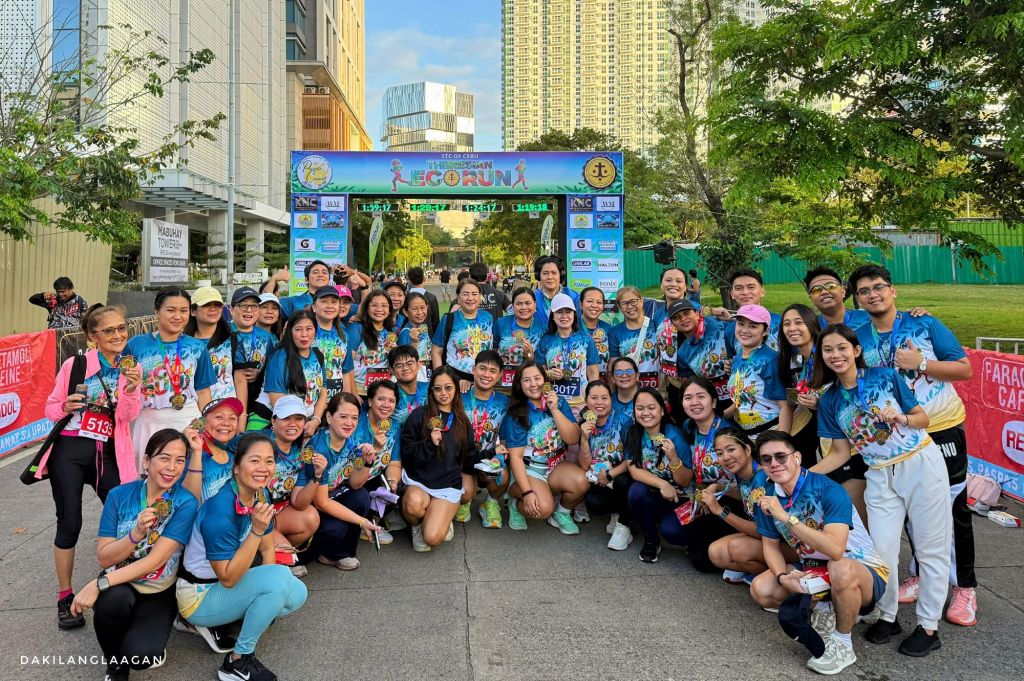
And this is exactly what the Theresian Eco Run seeks to bring attention to. More than just a run for a cause that supports scholars, the event highlights an important message: environmental responsibility within the running community. Just as runners practice discipline in their training, such as watching their diet, improving their form, and building endurance, they are also encouraged to extend that same discipline toward caring for the environment.

The event introduces several eco-conscious practices. Participants are required to bring their own reusable cups or hydration bottles since no paper cups will be provided at aid stations. Post-run meals come in paper lunch box containers and are served with wooden spoons and forks. Race bibs are printed on paper cloth, and runners are constantly reminded that sustainability is a shared responsibility throughout the event.


In many ways, the event reflects a deeper idea about how communities evolve. As activities become more popular and more organized, they also require greater awareness of their collective impact.
In a world shaped by fast consumption, constant digital engagement, and growing environmental concerns, running offers something grounding. It creates space for movement, reflection, and community, which reminds us that discipline is not only about reaching the finish line but also about how responsibly we move through the spaces we share.
It was indeed a “fun” run. One that makes you enjoy the activity, enjoy the collective energy among participants, and appreciate the shared responsibility of caring for the environment while doing something we love.

 Dakilanglaagan