It’s not just the birthday. For some reason, I have been feeling much older than I should be.
I used to be the ‘accelerated’ one. The one who finished school at eighteen. Landed a stable job and passed the board exam in the same year. By twenty, I had a regular job and a special assignment and had passed the entrance exam for postgrad studies.
Then I entered the hiking scene. Used to be the youngest in the group. A microaggression in such masculine environment. I used to be the recipient of all those stories of adventure—a sponge for all those exemplary narratives of long and excruciating hikes, lessons learned literally the hard way, and blusters within the once exclusive community.
Then the pandemic happened.
All of a sudden, the van leading to the jump-off was now filled with midterm rants, pressures of board exams, and grand dreams of early twenties. It was as if my youth were flashing live before me. Remnants of the very good old days—which were actually not that far away, yet felt so estranged.
My youth is fading away.
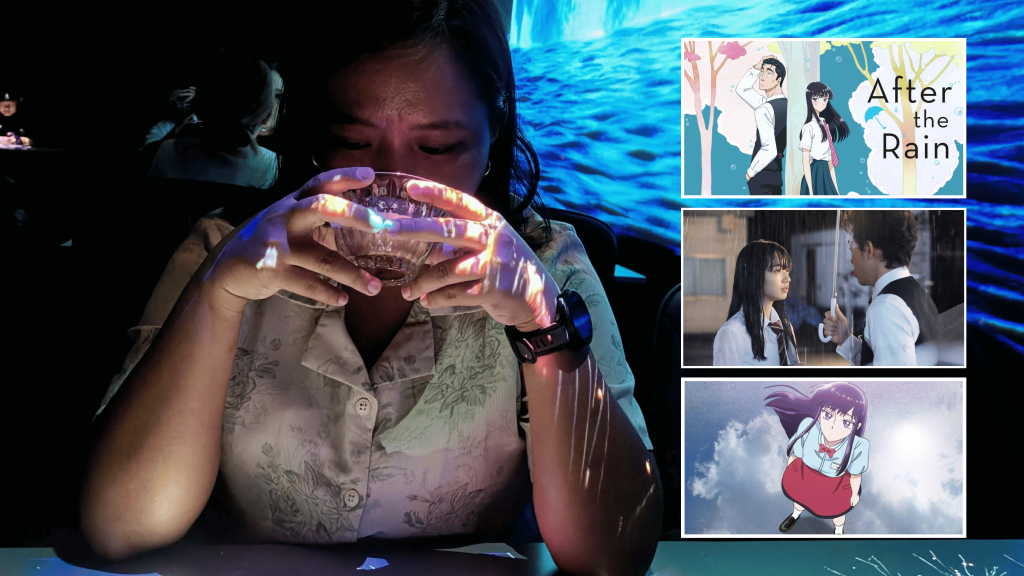
‘After the Rain’: A Review but Not About the Anime
I’m not really a fan of age gap anime. Especially with leads below twenty. Just not my cup of tea. That’s why I was quite skeptical about watching After the Rain.
I hate spoilers. I skim reviews to avoid getting the overall gist of whatever it is I’m about to watch. But for this one, I really have to read through Reddit subs to make sure that the ML and FL don’t become the end game.
But the reviews were great. Positive. Inspiring. And so, even if there were hints of ecchi-ness in the first few episodes, obviously for fan service, even if the animation, framing, composition, lighting, and atmosphere were top-notch (Kowloon Generic Romance mood), I sat through it.
And I guess this is just the beauty of slow burn. Of persevering through just to see how the story unfolds. What was initially projected like a May-December love affair turned out to be a slice-of-life for both characters, Akira Tachibana (17) and Masami Kondo (45)—of evolving narratives, minute epiphanies, and holding on to what we were so passionate about.
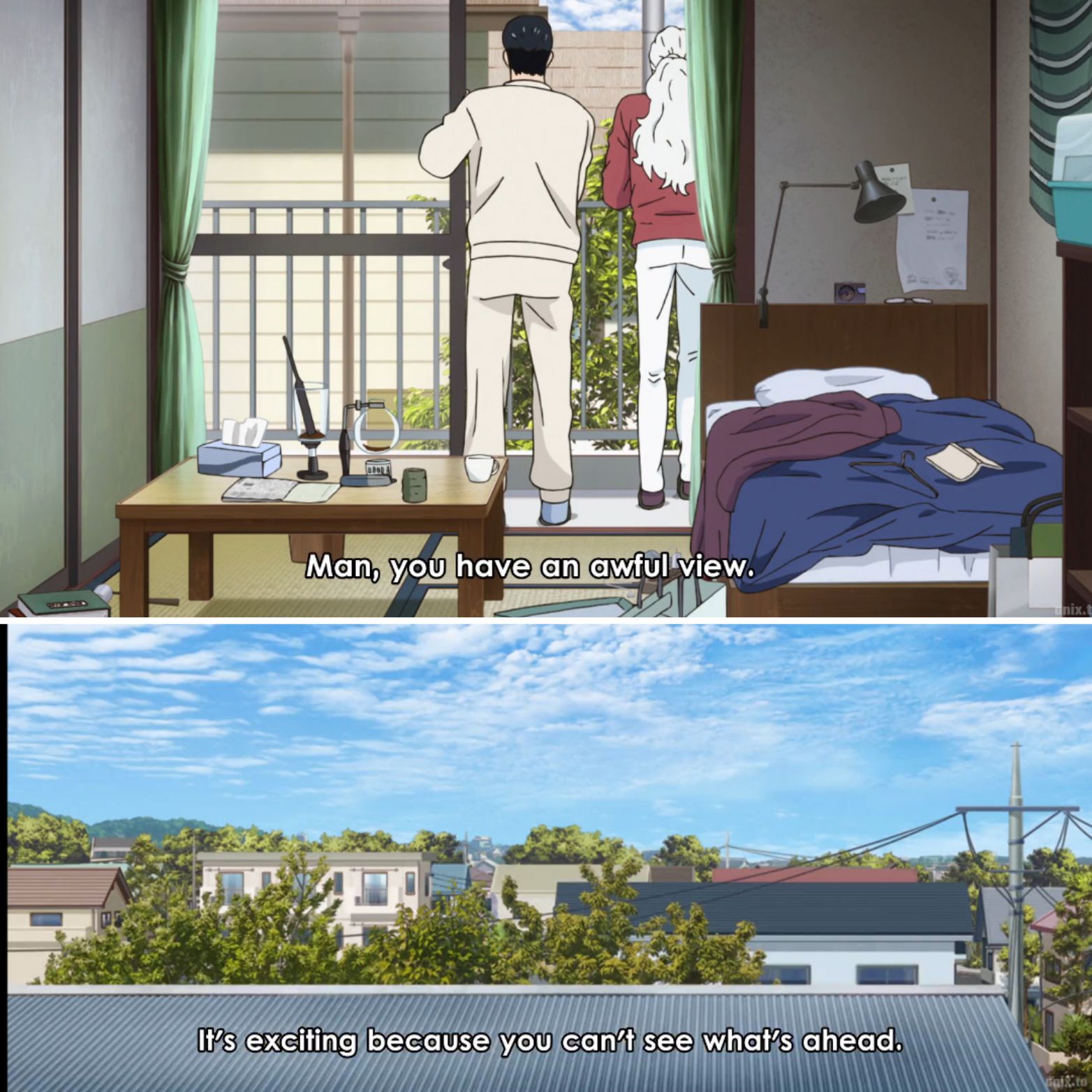
As someone who has recently fallen down the rabbit hole of running (and trailrunning as a progression from hiking) and has finally found time to go back to reading (although much of what I’m reading these days can be labeled as ‘forced reading’ HAHA), After the Rain was definitely a relatable and soothing series. Perhaps so much more had it been watched during the rainy season of August to December and not the peak of the dry season this May.
Allow me to overshare. Prior to watching the series, I had just received an email of contract termination with a client that I have worked with for almost five years now. No explanation. No final words. Just a notice of the end of the contract.
Not that it was my bread-and-butter. It was a part-time job. But in this economy, any stream of income is essential. Now I get to better understand the circumstances of Jess Davis of ‘The Soulmate Equation,’ which I coincidentally finished reading yesterday.
I was just mindlessly scrolling through potential series and movies to watch to alleviate what I feel. It would have been great to go for a long run, but I was already done with my morning run when the email happened. Tried venting through online games, but to no avail. And so, I ended up randomly choosing After the Rain as my brain is incapable of comprehending whatever is happening in my current read, Lost Lambs: A Novel.
I’m not really a firm believer in determinism, but somehow, some things really just find us at the most exact time. What I thought was a trivial series turned out to be a life lesson—an unsolicited enabling session to help me process what I feel.
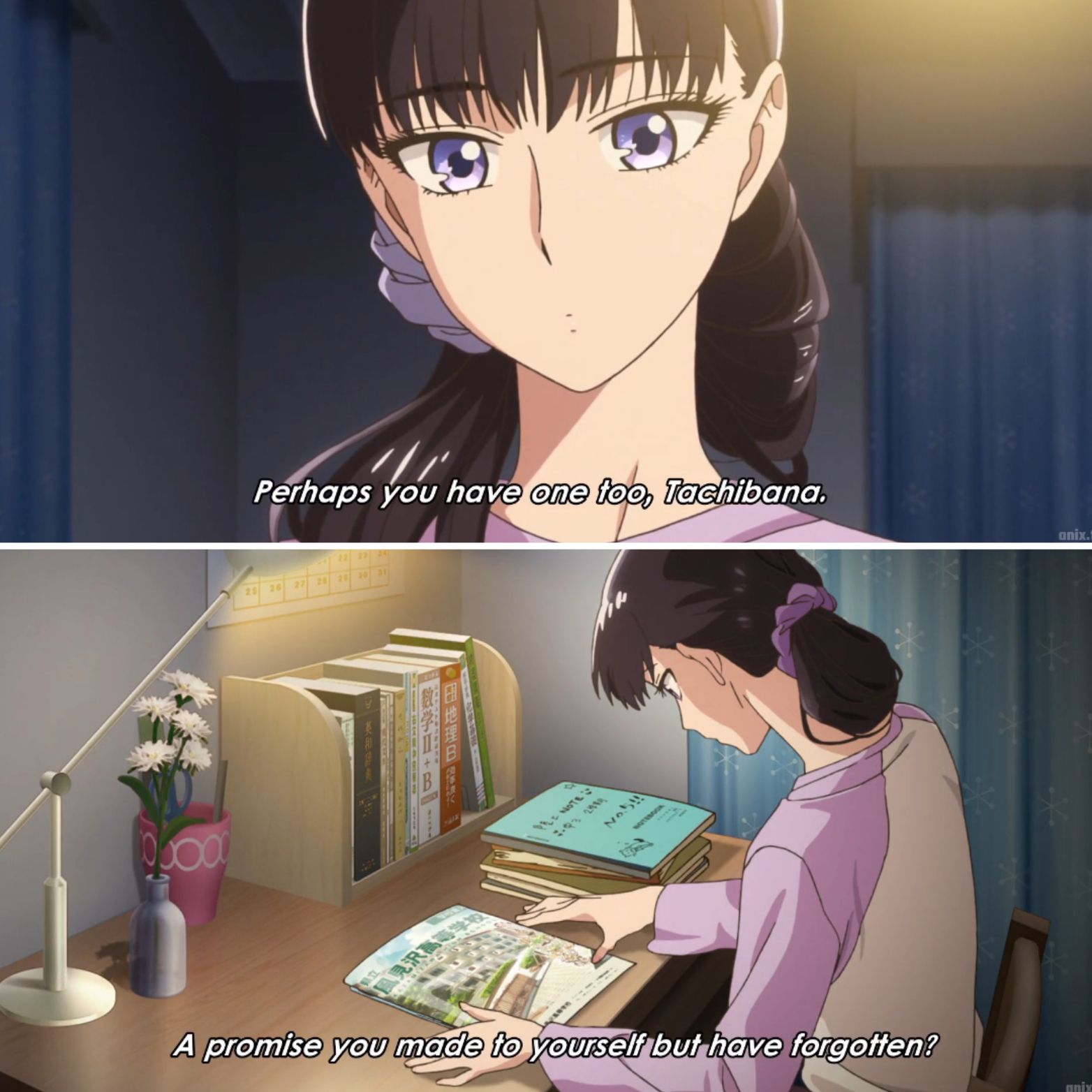
I became so fixated with so many things, mostly the adulting versions of academic achievements, that I’ve lost sight of what it is that I truly wanted to do. Capitalism, in the guise of social media, has bombarded us with activities that must be done, material possessions that must be acquired, achievements that must be attained within a certain timeline, and places to visit for the sake of fitting in. We have worshipped the rushing cadence that we forgot the quiet art of simply being.
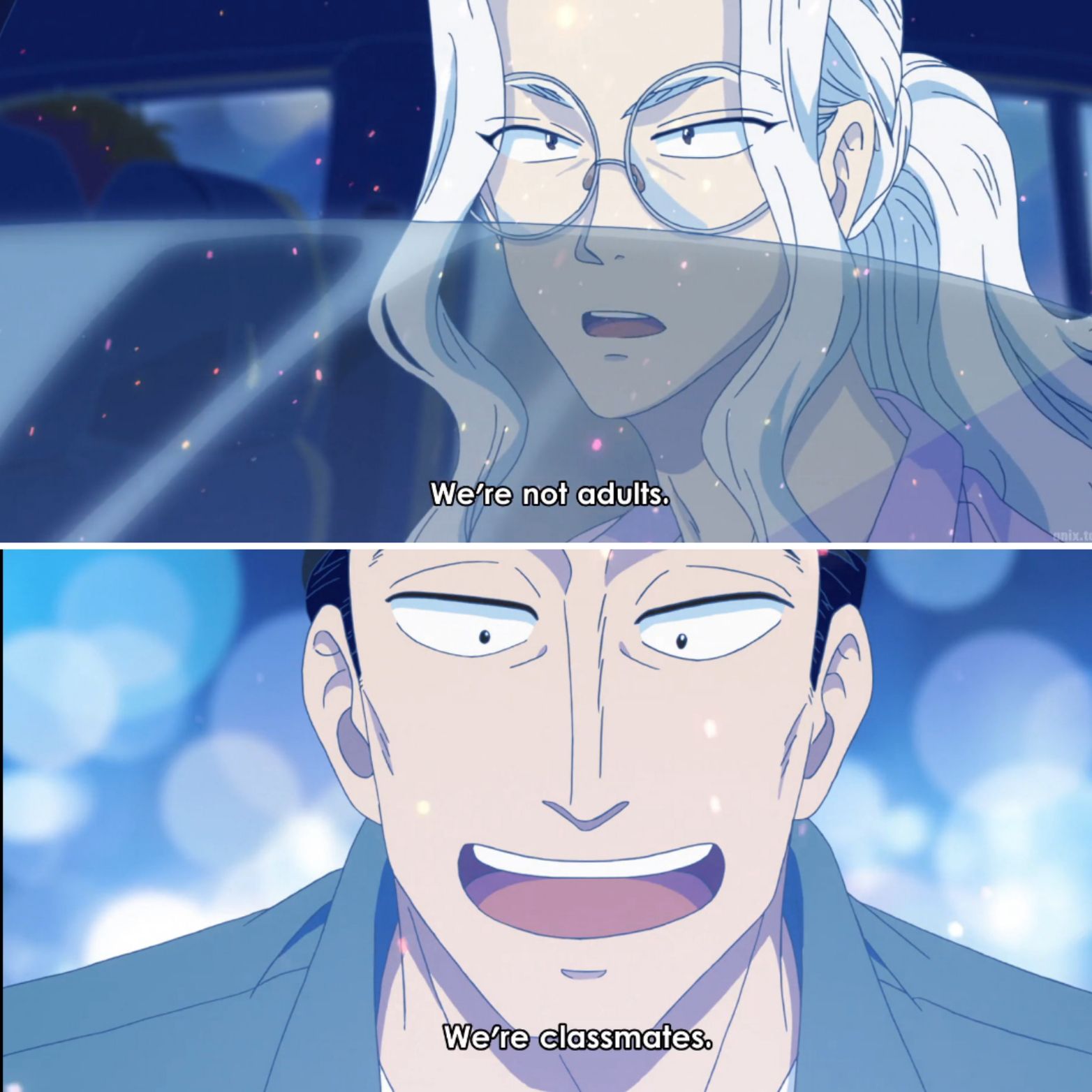
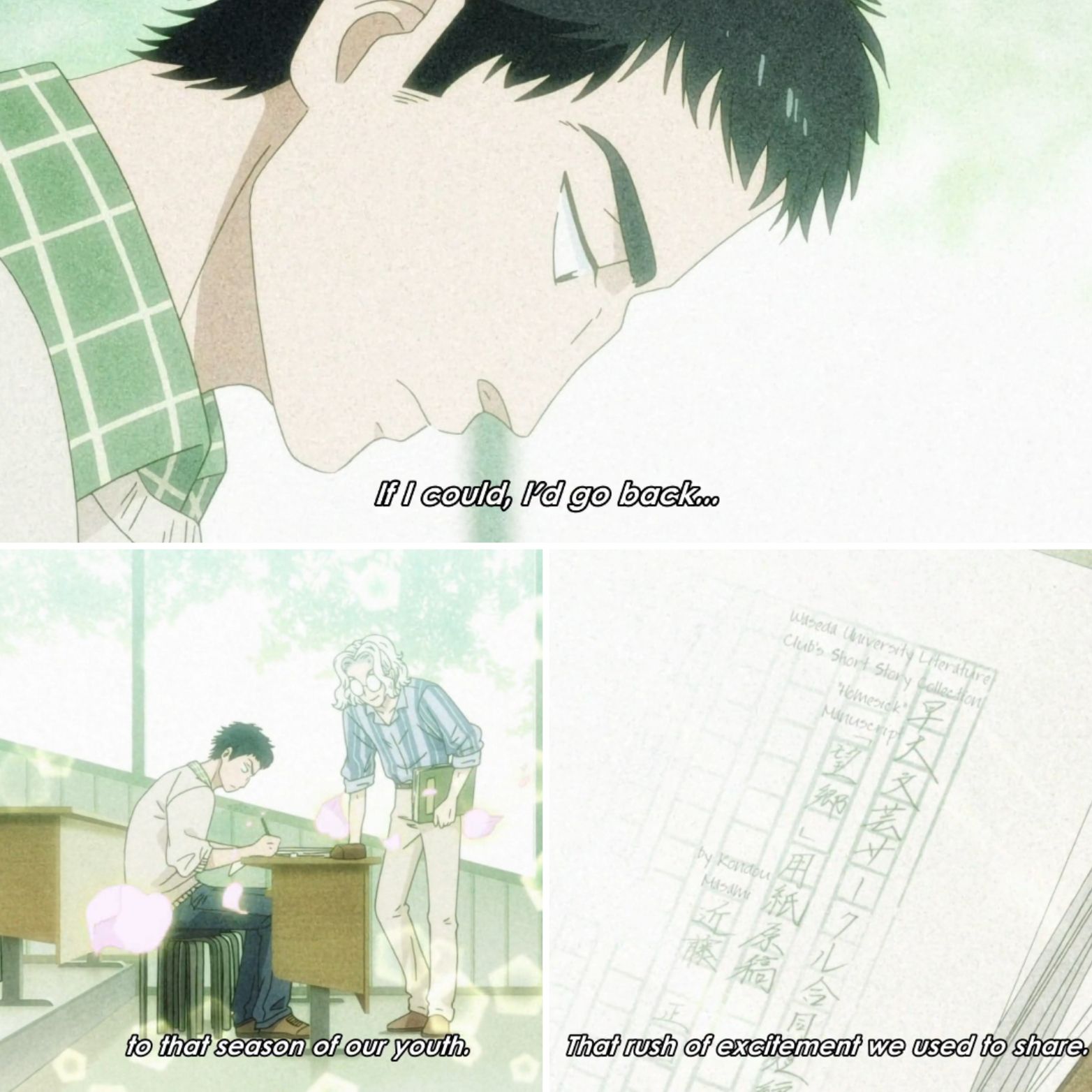
And this is the counter-narrative that After the Rain offered. That there are many nuances to us than the ‘adult’ responsibilities society has imposed upon us. That we don’t need to sacrifice our youthfulness. That there’s always a silver lining to every setback.
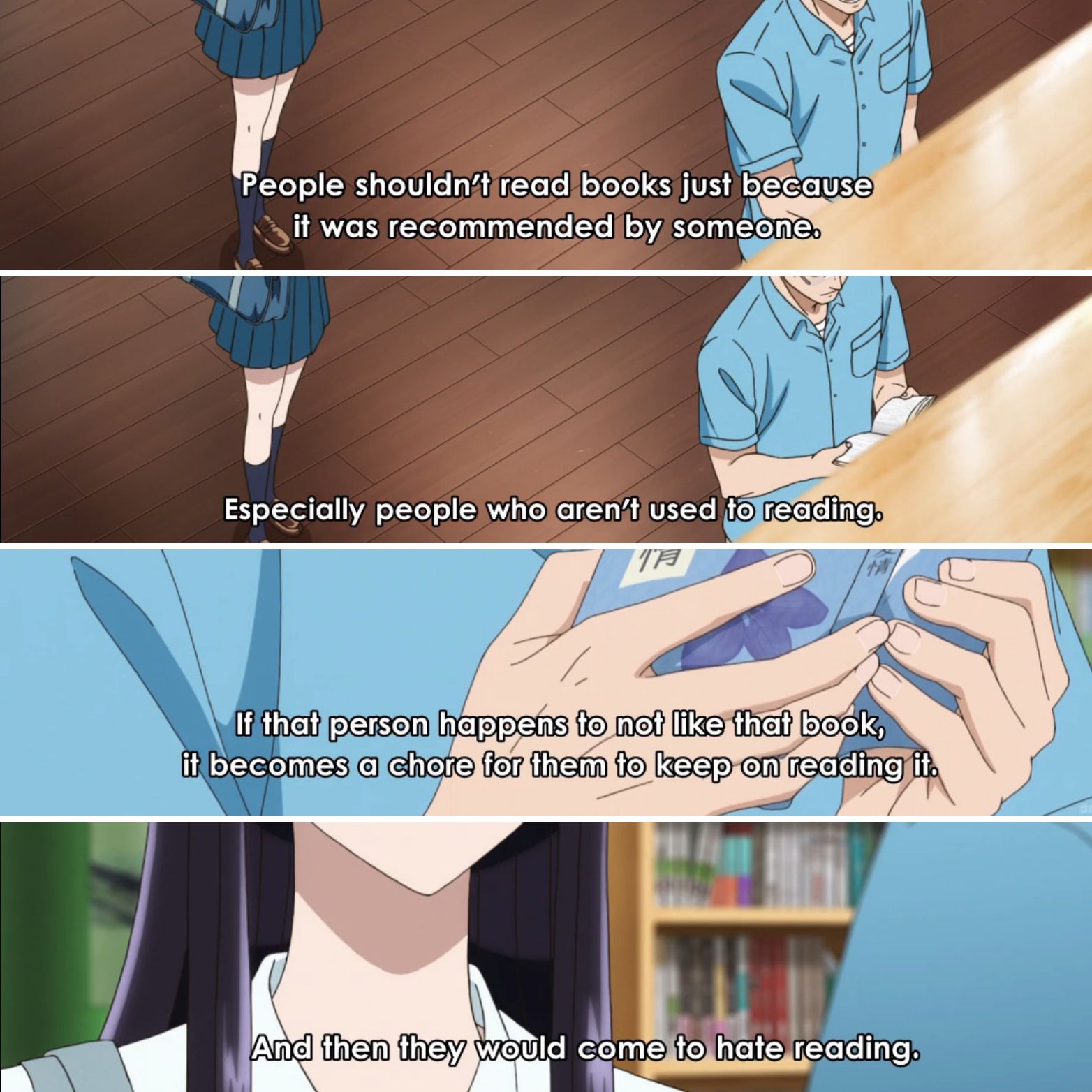
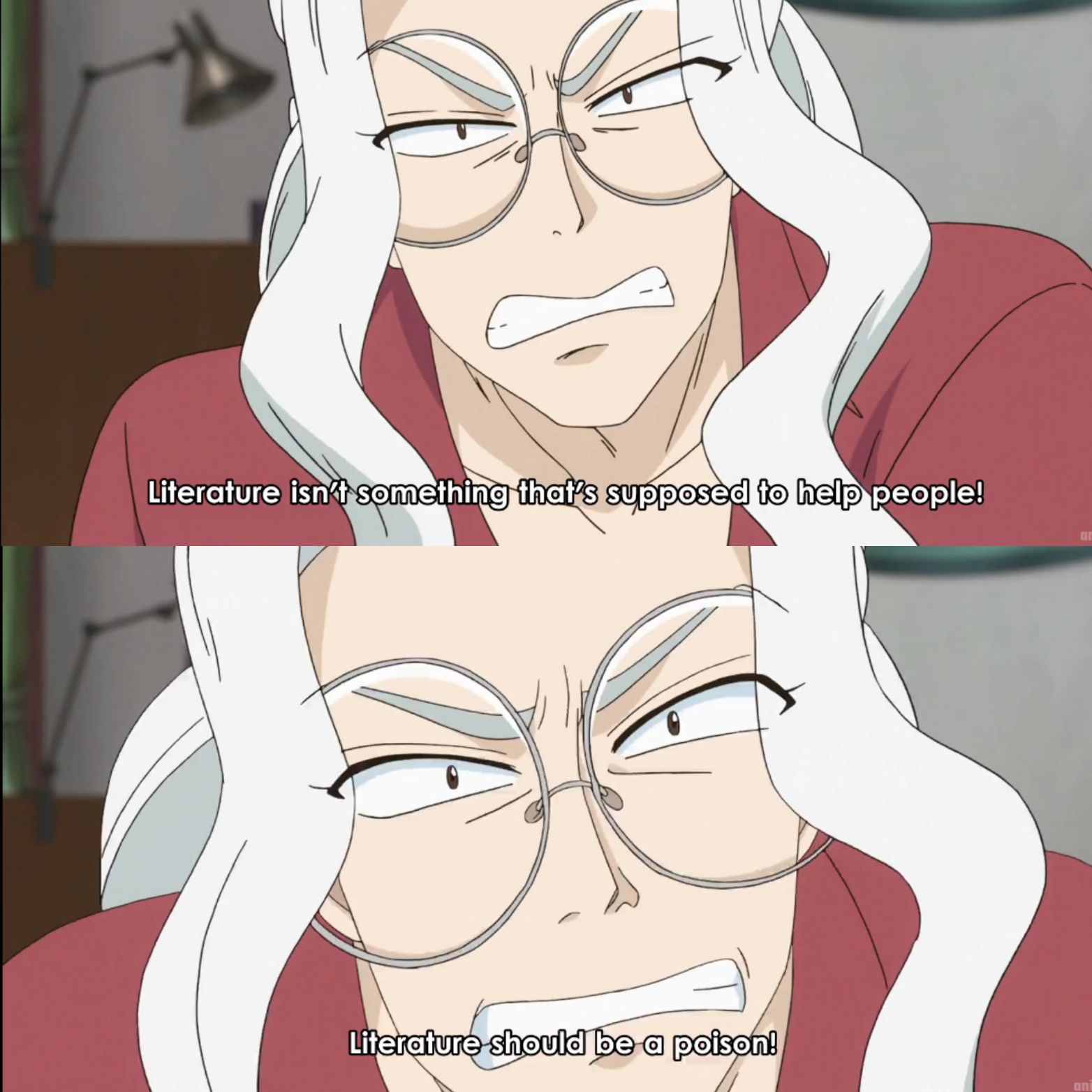
Like a gentle reminder to the aspiring writer in me, it also highlighted that the purpose of literature is not to help others but to cause disruption—that words are meant to evoke something for it to mean something. Even if it means confronting the uncomfortable realities of both the writer and the reader. I write because I want to, regardless of who gets to read it. As argued by Mao Zedong: “There is no such thing as art for art’s sake.”
Watching ‘After the Rain’ in this Summer Heat
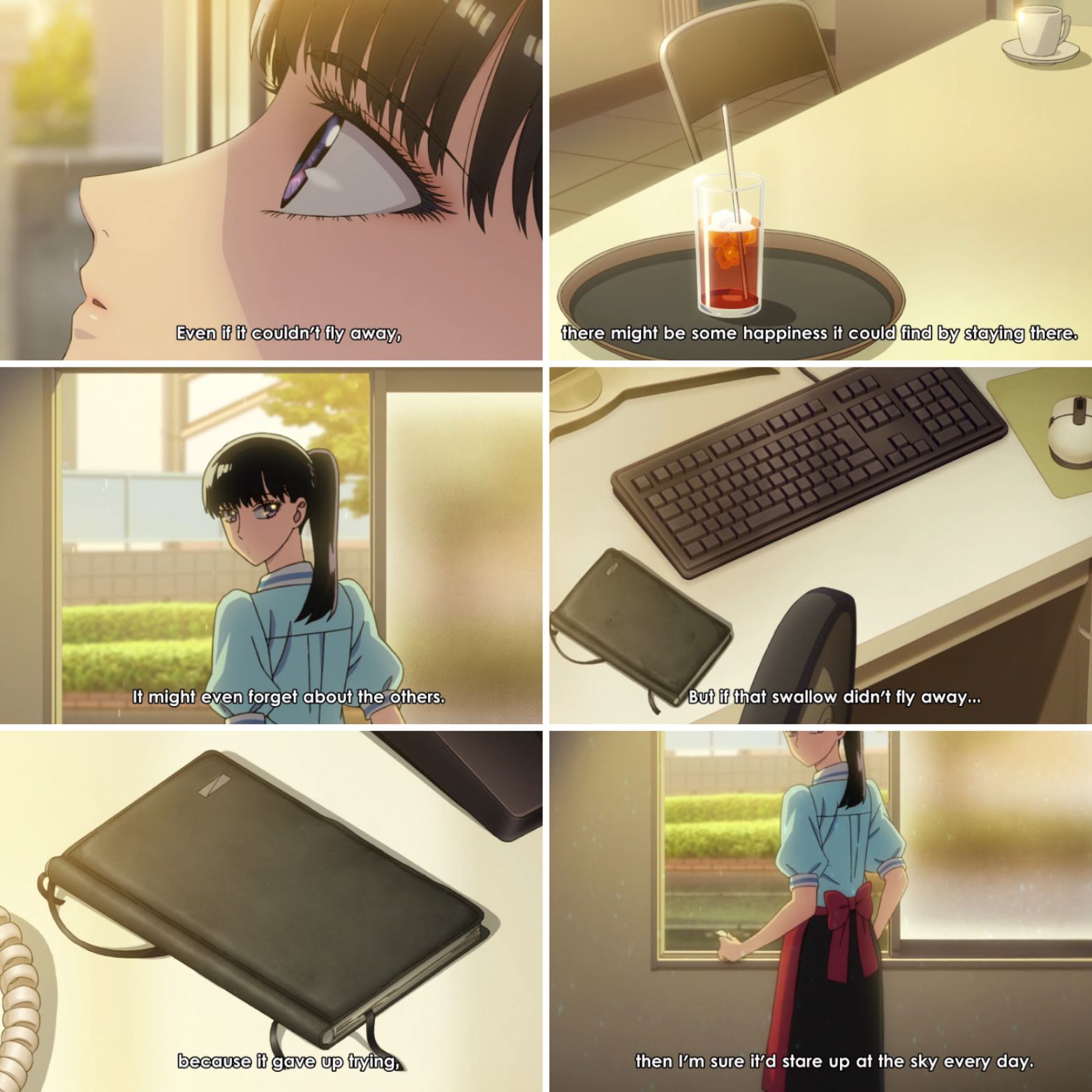
I don’t know if I’ll immediately find a replacement stream of income for the part‑time job I lost. But I’m hopeful that I eventually will. I’d like to take comfort in the metaphor Kondo shared with Tachibana when they spoke about a swallow that had been injured. “Even if it couldn’t fly away, there might be some happiness it could find by staying there. It might even forget about the others [sparrows that have flown away and have left the nest]. But if that swallow didn’t fly away because it gave up trying, then I’m sure it’d stare up at the sky every day.”
I’d bask in the heat for now. Enjoy a little bit of free time. The rainy days are soon to come. And while it might mean cool weather to sip sikwate, marathon another anime, or read a book, in the case of this country, it could also mean house-submerging flood, failed flood control projects, and work disruption. Definitely not inspirational, akin to After the Rain.
So, go watch it. And then let’s discuss how it also made you feel.