Some lessons are best learned on the roads. Believe me, decades of geography and getting lost around the provinces of the country forced me to navigate maps, immerse with locals, experience culture, and question systems that perpetuate the kind of life Filipinos are subjected to. Things that are often superficially discussed in class or most of the time unexplored at all for whatever more important reasons there are.
And so we find ourselves with a generation unfamiliar with the very names etched on our streets, indifferent to the national holidays consecrated in memory, and detached from the stories that forged the privileges they now inherit. A generation molded by capitalist pursuits and confined to narrow notions of national identity that is slowly being revised, denied, and forgotten.
But throughout history, society has always shown a certain kind of resistance. One that stands amidst humungous challenges, one that opposes ideals that force to dominate the narratives, one that reminds us of what should be essential in moments most critical to our collective survival.
That’s exactly what Halad ni Leon Kilat Run felt like. A simple event to disturb the passives. A counternarrative to the dominant script. An event that dared to once again talk about history and reclaim the stories that systems would rather leave untold.
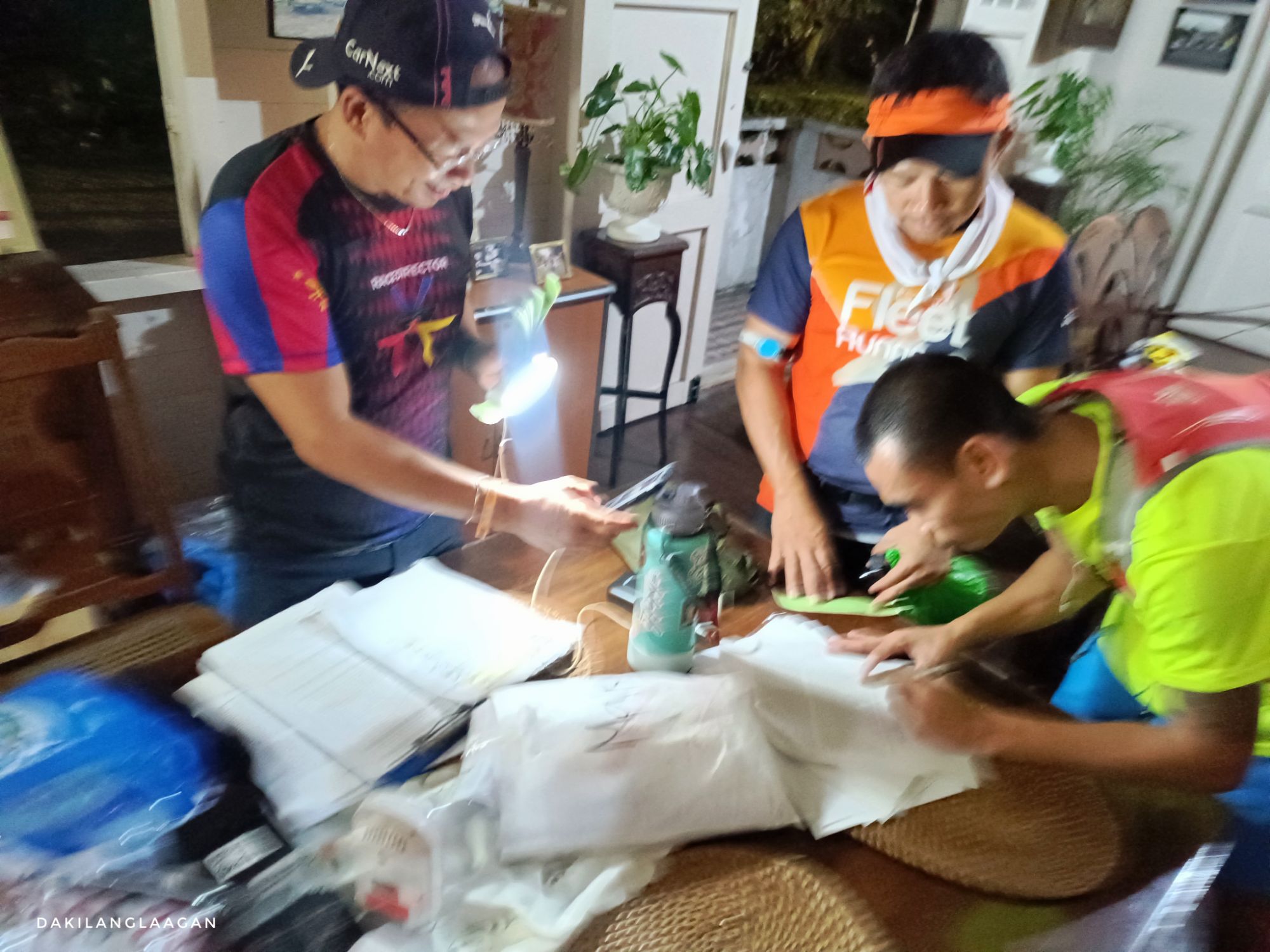
What is Halad ni Leon Kilat Marathon?
To some, Tres de Abril is just a street. But 128 years ago, it bore witness to an uprising that not only proved the resistance of Filipinos against colonial subjugation but also the power of a collective who dared to stand against authority.
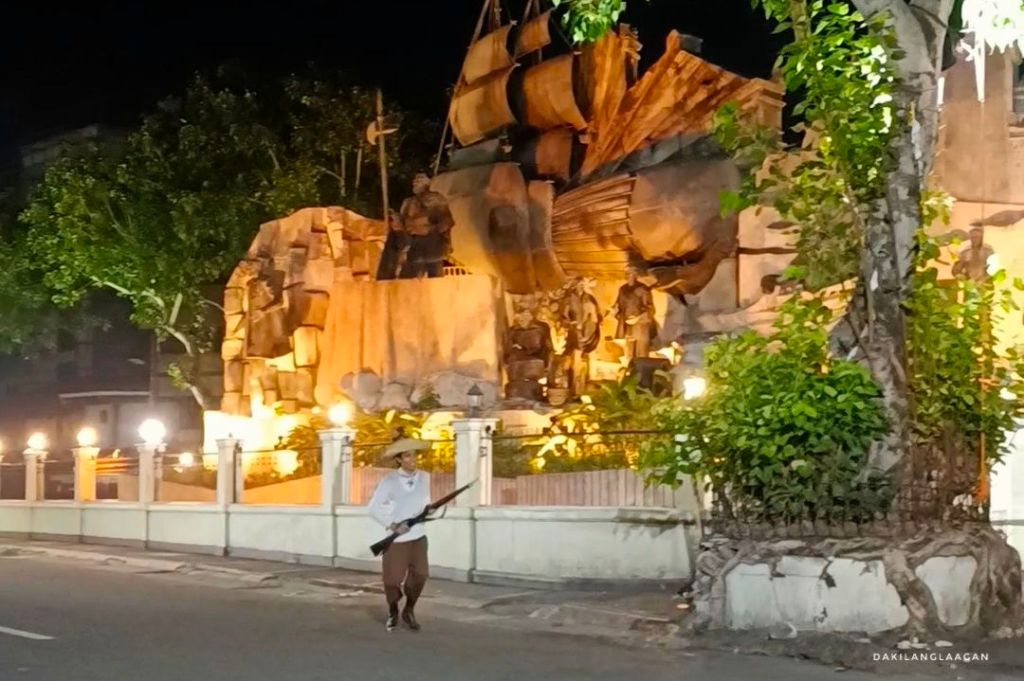
Born in Bacong, Negros Oriental, Pantaleon “Leon Kilat” Villegas was recruited into the secret society of the Katipunan and later led the revolutionaries of Cebu. On April 3, 1898, he mounted a successful battle along Tres de Abril Street in Cebu City, forcing Spanish forces to retreat and barricade themselves inside Fort San Pedro, which was strategically surrounded by Katipuneros. Though short-lived, this victory became a symbol of triumph for the Cebuano people at that time.
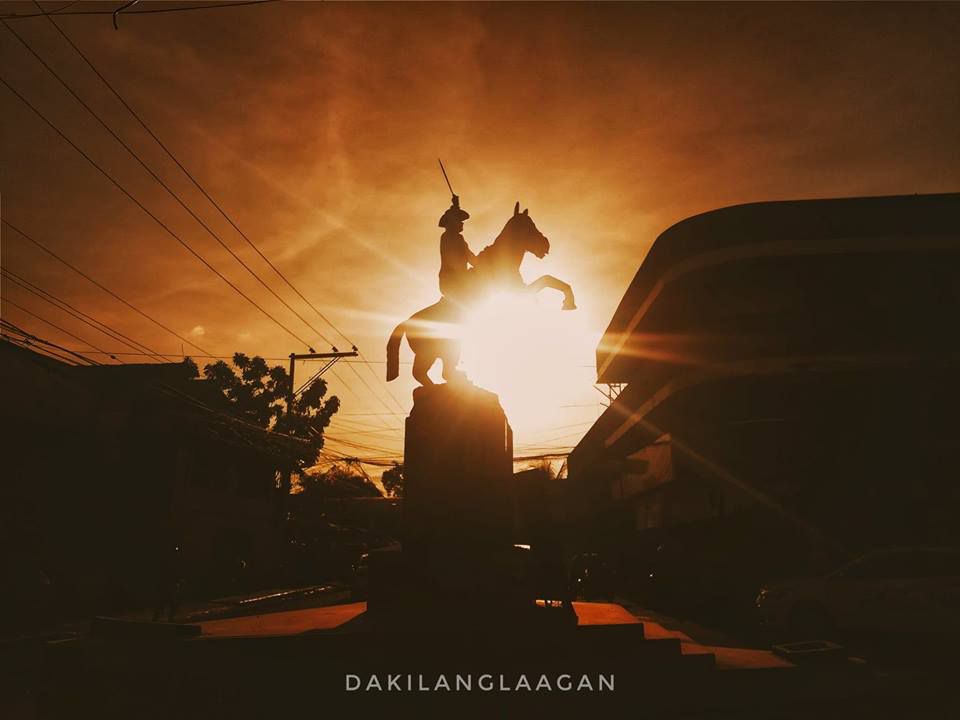
When Spanish reinforcements arrived from Manila—battleships anchored in Cebu’s ports—the revolutionaries were forced to retreat south to regroup. Unfortunately, Leon Kilat’s fate mirrored that of other heroes betrayed by their own countrymen. Despite the belief that his amulet made him immune to Spanish bullets, he was murdered in his sleep by his aide-de-camp, Apolinario Alcuita, in Carcar, Cebu. Later records revealed that when his body was exhumed, his skull had been smashed with the butt of a Mauser rifle, providing evidence of accomplices ensuring his death.
To commemorate his life, his struggle, and the lessons his story offers, the Halad ni Leon Kilat Run was born, a long-distance run retracing the historic route from Cebu City to Carcar. First launched in 2011 by the Ungo Runners led by Max Limpag, the event is now spearheaded post-pandemic by environmental advocate Tony Galon.
Halad ni Leon Kilat 2026 Experience
Even before I ventured into running, I had long known about this event, thanks to Mme. Alfie. I even owned a few event shirts, which I wore during major climbs and day hikes, perfect drifits for the outdoors. I wasn’t convinced to join running events yet (because, like most, why would I? HAHA), but I already knew of its existence.
Then came the post-pandemic years. For those who have followed this blog, you know the transition: from traveling to hiking to this hate-love relationship with running. So when the event was announced to be revived in 2025, I didn’t hesitate to join, even if I had promised myself a break from events and major climbs for personal reasons. It was the only running event I joined that year. And now that things have settled a bit in 2026, it has become the third long-distance event I’ve joined, next to AWUM and Penitence Run.
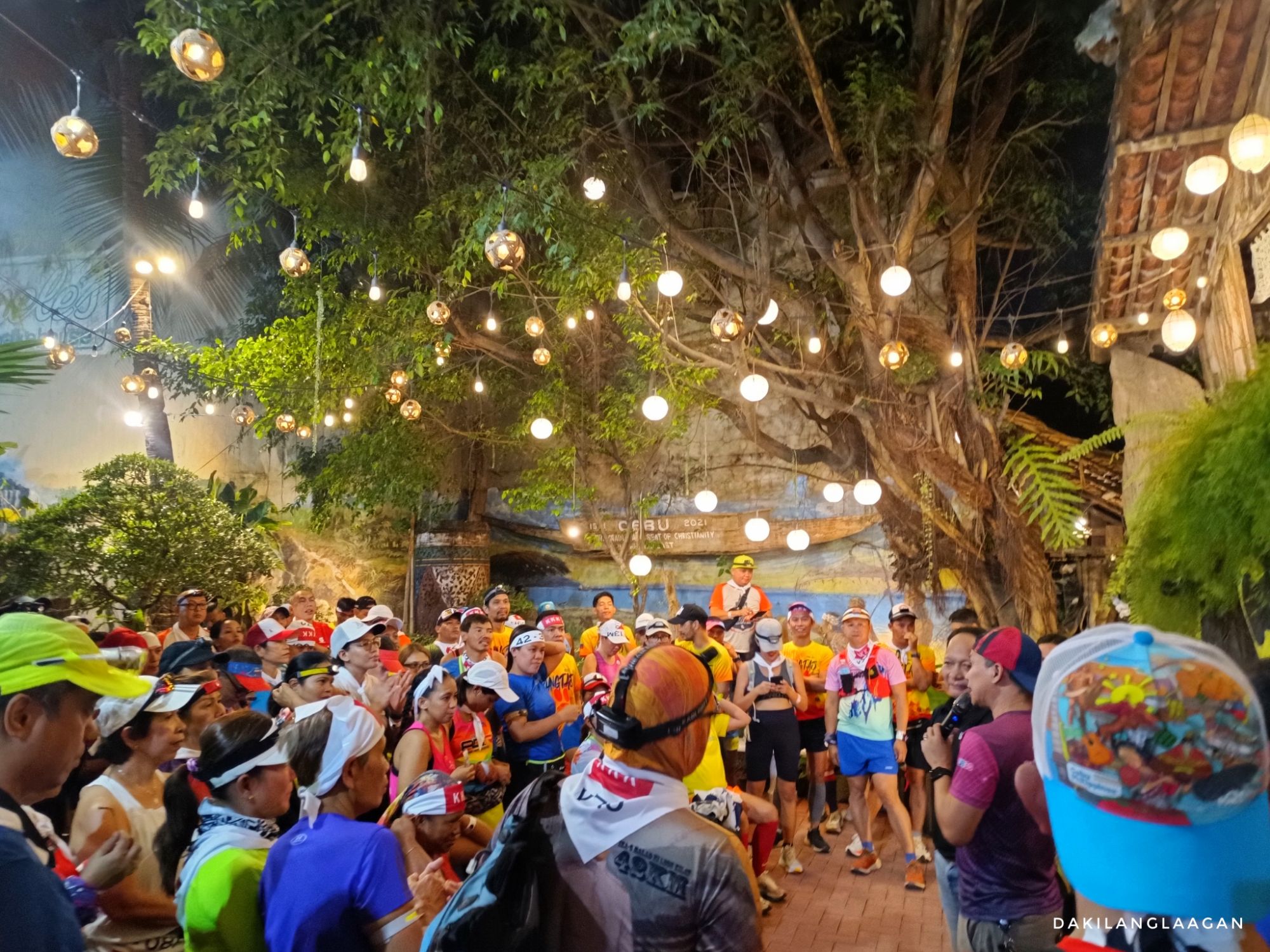
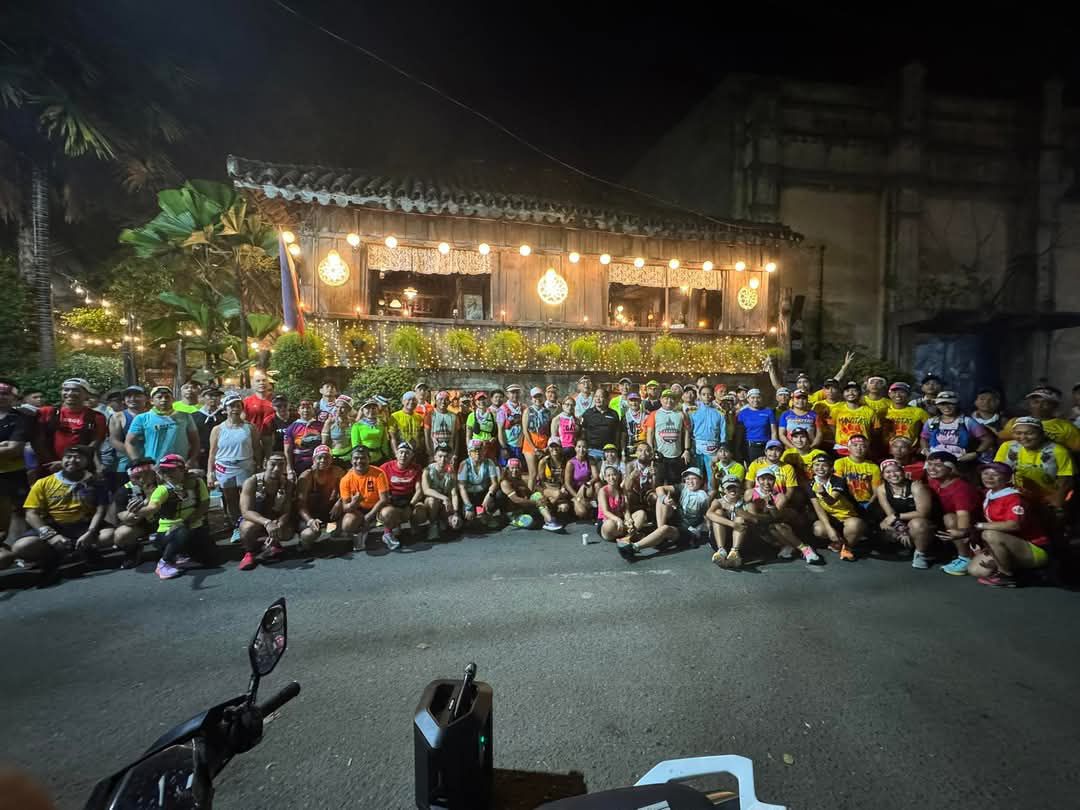
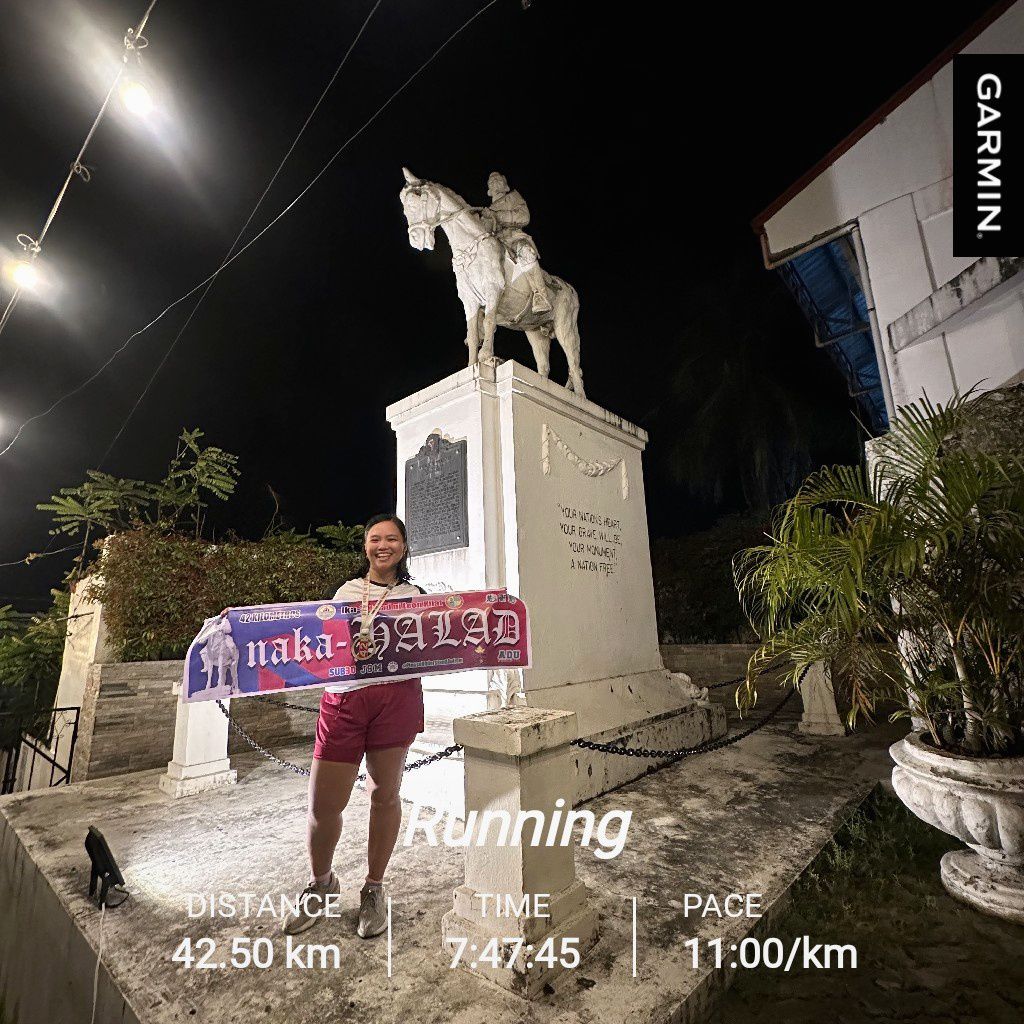
What’s interesting this year was the change of route. Traditionally, the run goes from Cebu City (Parian) to Carcar City (Leon Kilat’s statue in the town plaza). But this time, we started from the Mancao Ancestral House in Carcar and finished at the Yap-San Diego Ancestral House in Cebu City. Still covering a 42-km distance, the event takes runners to a historical run that honors the legacy of Leon Kilat.
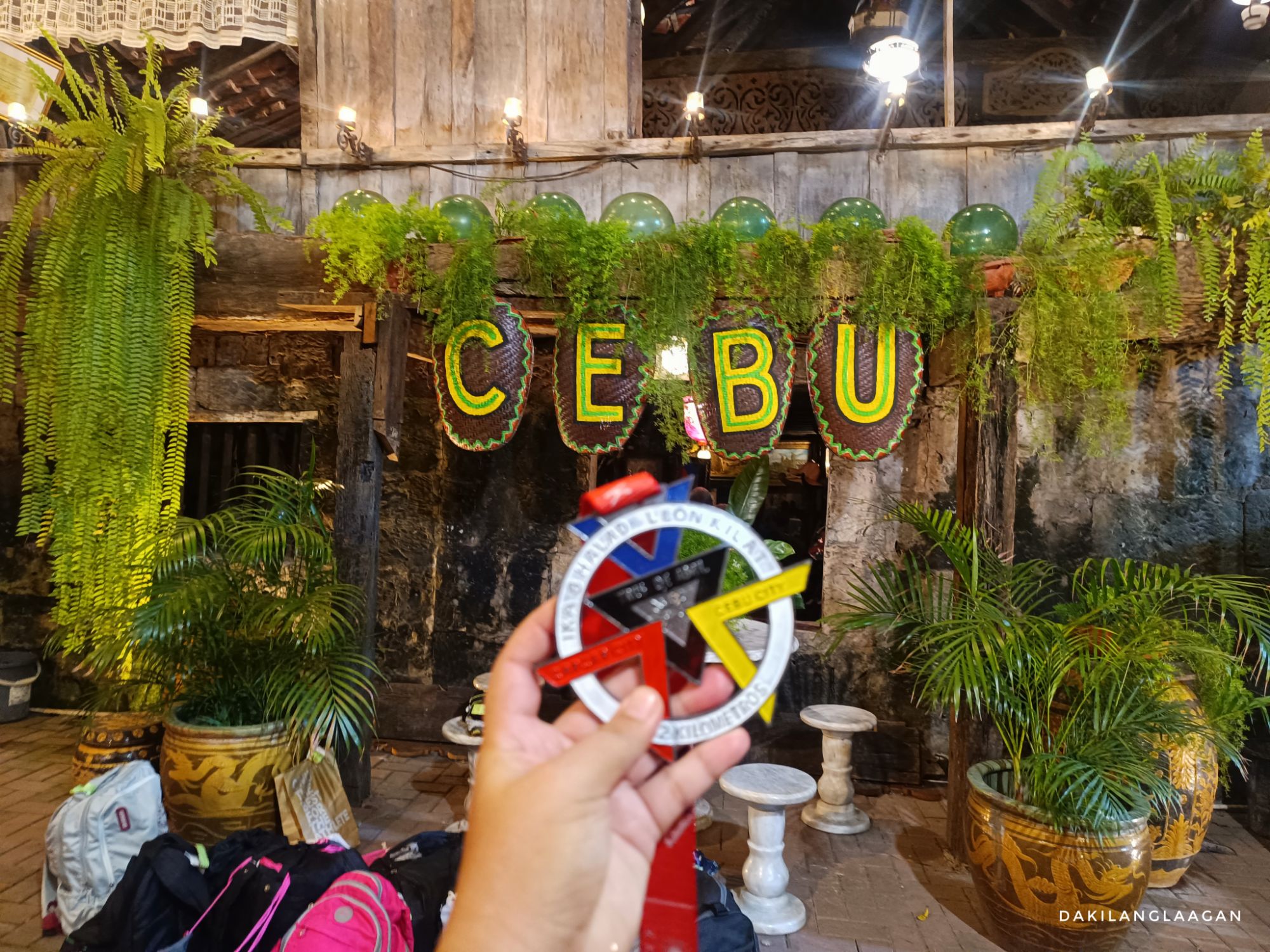
What makes the run even more compelling is its accessibility. Unlike commercialized events with steep fees, Halad ni Leon Kilat kept its registration at ₱200 (₱100 last year), covering a bandana—its version of the race bib. However, for those who wanted keepsakes, finisher shirts and medals were optional add-ons. Technically, it’s almost free.
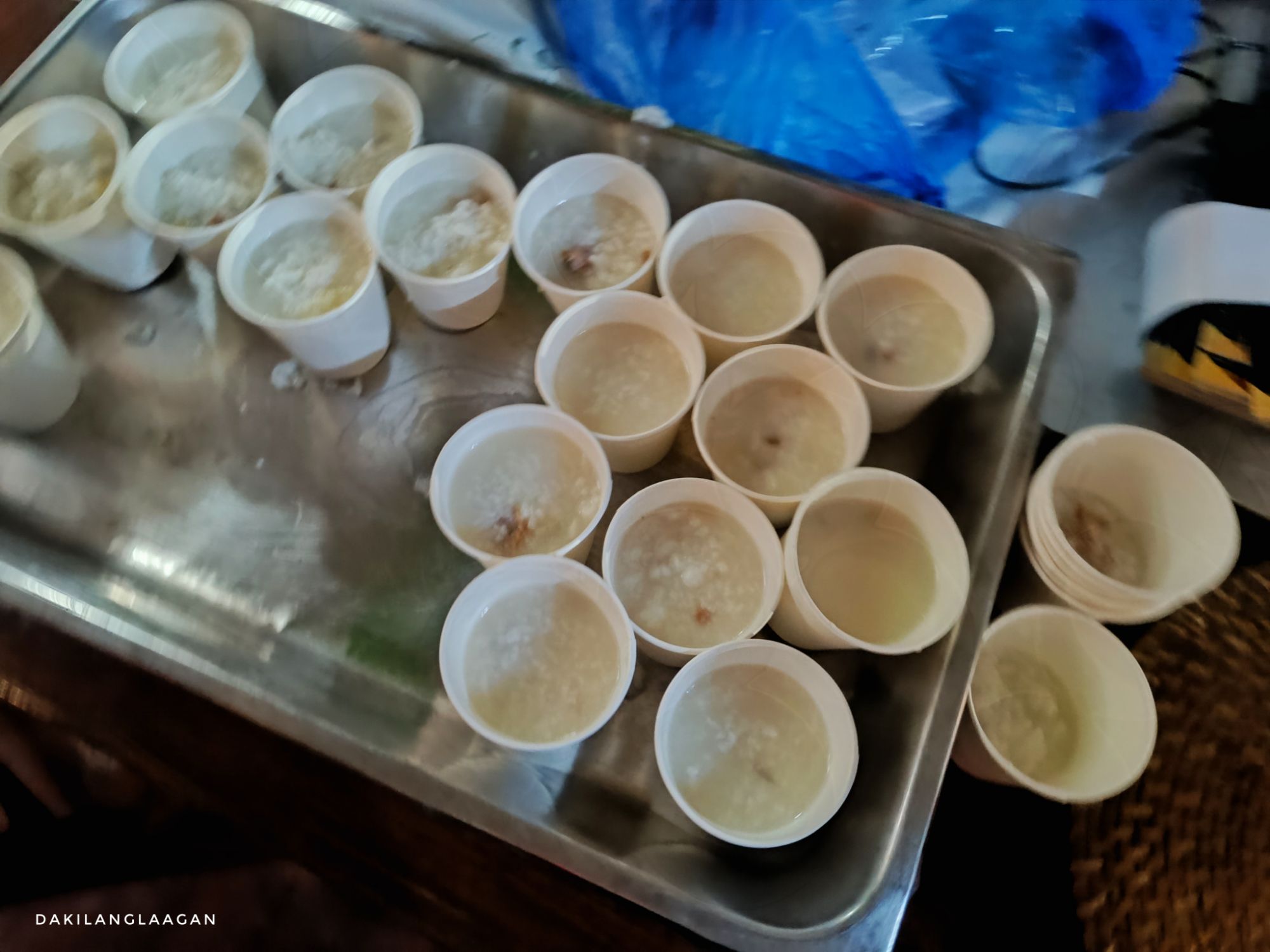
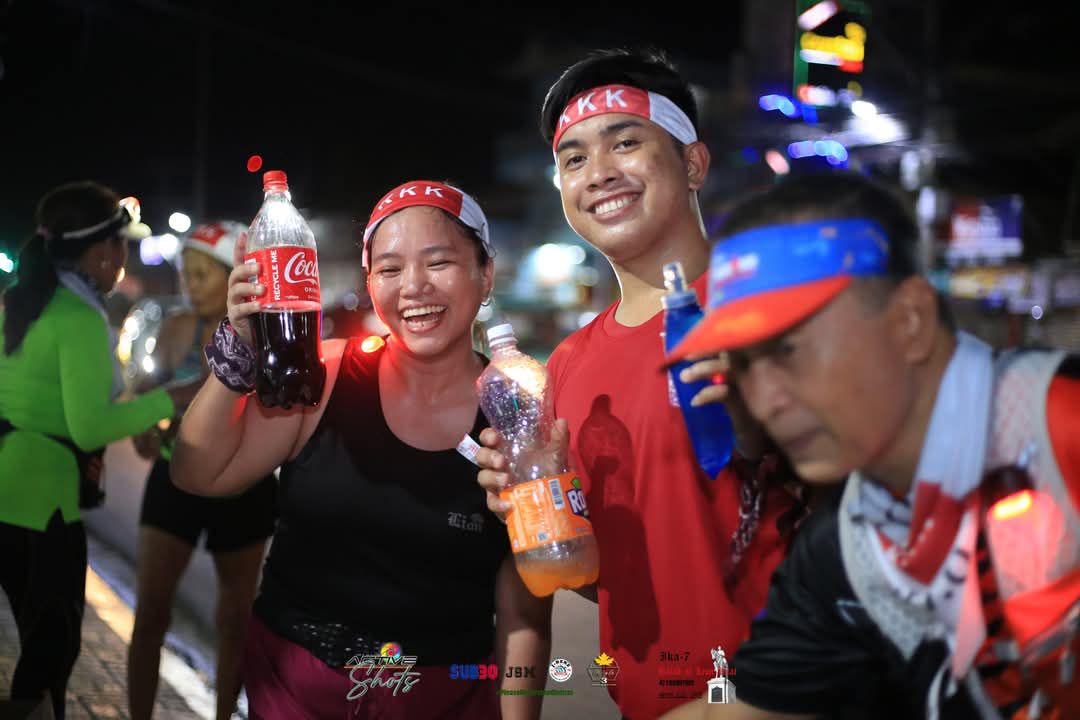
The catch, though, is the few to no aid stations. Yes, it’s self-sufficient. You bring your own food, buy drinks along the way, or rely on ATMs (automatic tubig machines). Yet, generosity thrives. Somehow, some groups continue to voluntarily provide aid stations and mobile stations (thanks, Tribu Mangtas and Talisay City Runners Club!).
History Lesson on the Road
I may not be a historian, but as a reader and storyteller, I carry fragments of stories worth retelling. Last year, while trailing along SRP, teenagers ran with us going to Minglanilla. It began with a simple question: “What event is this?” Then came the deeper one: “Kinsa diay na si Leon Kilat?”—a question that should have been answered in Grade 3 Araling Panlipunan class. Still, we took the time to explain, hoping to spark curiosity, ask more relevant questions, and keep the story alive.
This year, 14 kilometers into Cebu City, I paced with Christian, a long-distance runner preparing for his 100-km Danao trail run. Again, the same question surfaced: Who was Leon Kilat? And in that 3–4 km run-walk, another history lesson unfolded—stories exchanged, lessons shared, before parting ways because, well, PR is still life.
For me, these interactions are the true highlight. I had my PR—still slow, but who cares HAHA—what mattered was that questions were asked, answers were shared, and memories were made. Some of these will fade, some will be passed on, and some, hopefully, like Leon Kilat’s, will inspire something greater, especially in times when our nation grapples with truth and identity.
History resists. Even as revisionism creeps in, stories stand, if not in books, then in people, in conversations, in the streets named after our heroes. In an age where truth can be manipulated, misappropriated, and twisted to serve the few, these are the things we carry. And now, you reading this, damay-damay na this.
May we continue to pursue the things we love, mile after mile, dream after dream, not just for the sake of it, but for the stories, the history, and the collective memory that keep our heroes alive.