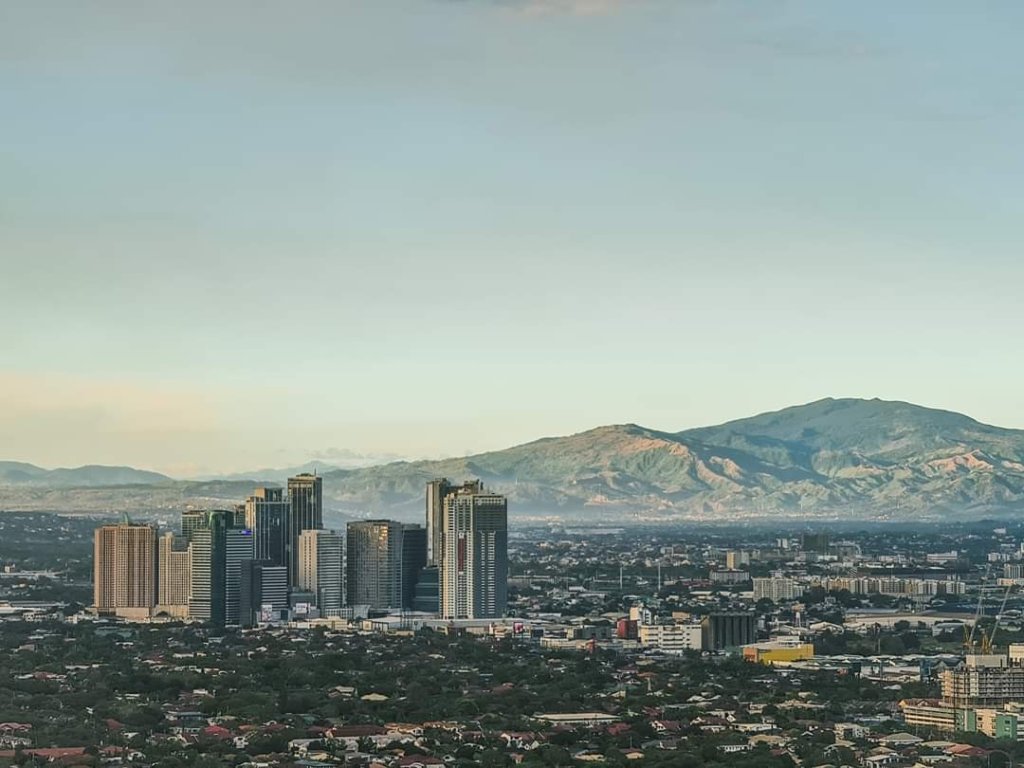
For sure, this is not the first time that you’ve heard about Sierra Madre. Aside from that distant memory of having to learn about this mountain range in elementary school, the calamities right now have made Filipinos more aware of the existence of this natural treasure that has been neglected for decades.
Sierra Madre first went viral around April of this year, when people were forced to stay at home because of the coronavirus pandemic. The lockdowns have eased Metro Manila’s notorious level of air pollution, thereby allowing locals to get an unobstructed view of the Sierra Madre (no one thought it could actually be seen in such a way!). This month, it went viral once again because of the typhoons that severely hit the island of Luzon.

But aside from the information circulating on social media, what do we actually know about Sierra Madre?
About Sierra Madre
Sierra Madre is the longest mountain range in the Philippines, fondly called the “Backbone of Luzon”. It spans almost 700 kilometers in length, with its highest peak standing at an elevation of 1,266 meters above sea level (for a more concise comparison, that’s approximately three times the height of Petronas Tower).
What Most Filipino Don’t Know about Sierra Madre
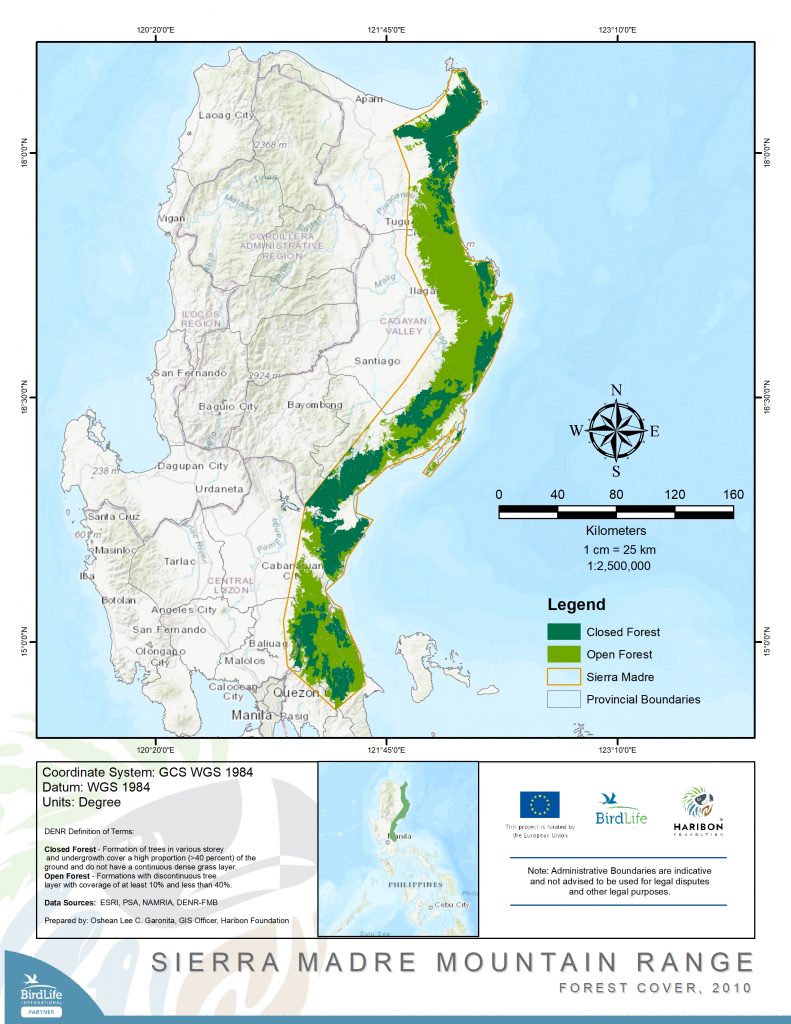
1. Sierra Madre is the natural barrier of Luzon from strong typhoons.
According to environmentalists, the Sierra Madre has hindered numerous typhoons that are coming from the Pacific Ocean from devastating the provinces of Luzon. This natural mountain barrier covers the northeastern coast of Luzon and acts as a shield that slows down the movement of tropical cyclones like Ompong, Ondoy, Labuyo, and Mario.
2. It has the largest remaining tract of rainforest.
Traversing ten provinces in Luzon (Aurora, Bulacan, Cagayan, Isabela, Laguna, Nueva Ecija, Nueva Vizcaya, Quezon, Quirino, and Rizal), the Sierra Madre is considered one of the most biodiverse areas in the Philippines. In fact, it has the largest remaining tract of rainforest in the country, representing 40% of Philippine forest cover. It is home to at least 201 species of mammals, 556 species of birds, 85 species of amphibians, and 252 species of reptiles—which are either endemic or highly threatened with extinction. The famed national bird and the world’s biggest eagle have also been sighted in the area.
Notable flora is also found in Sierra Madre, like the endangered and rare Rafflesia manilla corpse flower and critically endangered hardwood trees known as ‘lauan’ and kalantas. According to the impact study conducted in the area, of the 237 tree species recorded at the southern end of the Sierra Madre, 67 are already threatened, 58 are endemic, and 143 are indigenous to the country.
3. It comprises numerous watersheds for agricultural lands.
Aside from animals, the Sierra Madre has been the source of life for many locals residing near the mountain range. It hosts several watersheds that serve the adjacent agricultural lands in Central Luzon and Cagayan Valley— like Angat, Magat, Ipo, and Binga. Additionally, it also supports major infrastructures, water utilities, and power plants in many urban areas like Metro Manila.
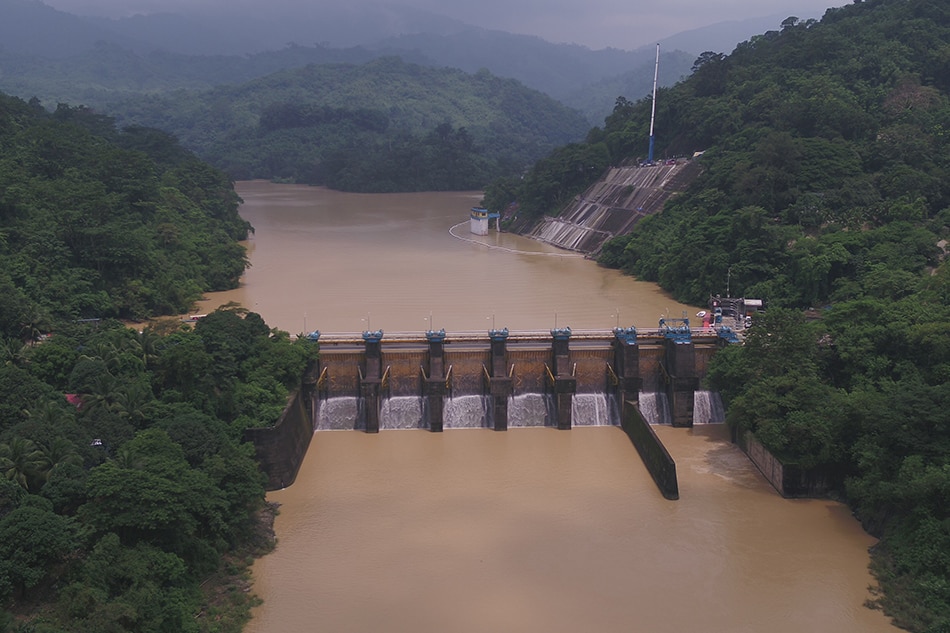
The northern part of Sierra Madre also serves as a drain to 14 major river systems, of which 11 go to the Philippine Sea and 3 flow into the Rio Grande de Cagayan as tributaries of the Ilagan River. The most extensive drainage area of the range is the Palanan River, which covers 29% of the park’s total land area. This is followed by the Abuan River and Catalangan River.
4. It is the ancestral domain of the Agta-Dumagat-Remontado indigenous group.
Aside from being home to the Philippine brown deer and Philippine warty pig, Sierra Madre is also home to the last surviving hunter-gatherer groups, like the Agta-Dumagat-Remontado group, collectively known as Agta. They are believed to have inhabited the islands for at least 35,000 years and have survived living along the coasts in the tropical rainforest of the Sierra Madre.
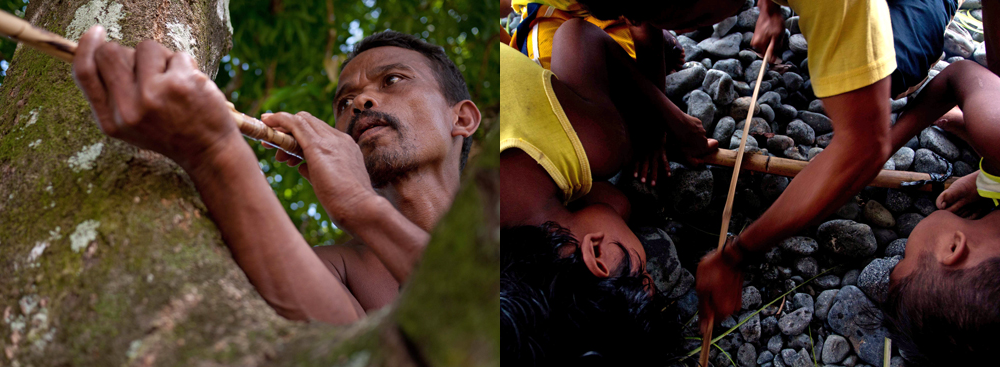
For years, the Agtas have subsequently relied on both the forest and the sea for survival. They have depended on the rainforest of the Sierra Madre for food, including the animals that they have hunted, like wild pigs, monkeys, and deer—which they skillfully chase with their bows and arrows. Agtas who live near rivers or shorelines are also adept at fishing, even with their bare hands.
5. It has been long threatened by man-made activities and industrialization.
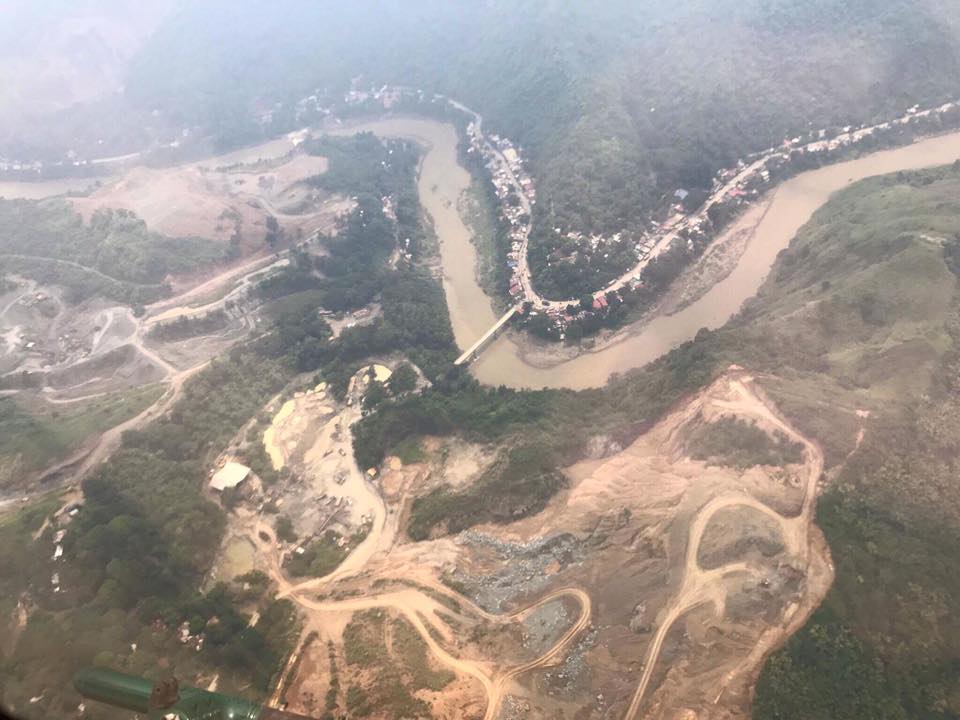
Based on the 2010 record of DENR, Sierra Madre had already lost 161,240 hectares of its forests because of illegal logging. Many areas of the mountain range have also been converted into infrastructure projects like roads and mining sites. This destroyed the virgin forests, natural parks, and protected areas of Sierra Madre—further resulting in the displacement of many indigenous people, the widespread practice of slash-and-burn farming (known as kaingin), and recently submerging Metro Manila and nearby provinces in floods brought by storms.
References:
- Northern Sierra Madre Natural Park
- The Agta Tribe of the Sierra Madre
- A Philippine tribe that defeated a dam prepares to fight its reincarnation
- Forest Foundation Philippines: Sierra Madre
- Controversial dam gets green light to flood a Philippine protected area
- Sierra Madre stifles world’s fiercest typhoon this year
- The Change in Rainfall from Tropical Cyclones Due to Orographic Effect of the Sierra Madre Mountain Range in Luzon, Philippines
- At the crossroads of change: the Agta of the Sierra Madres
- Manila gets its skyline back as air quality improves amid COVID-19 lockdown

