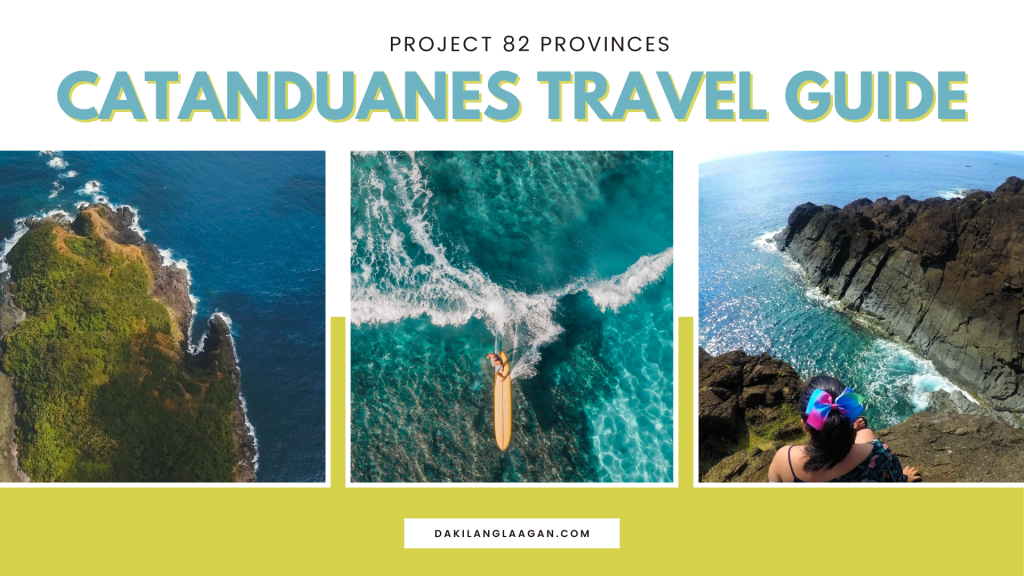
Have you ever wondered why Catanduanes is called ‘Happy Island’? Why do tourists go to Catanduanes? And for those who are not familiar with this island province: Is Catanduanes Luzon or Visayas?
A lot of questions are harbored by this island facing the Pacific. Questions that beckon curious minds and pave the way for uncovering the unique charm of Catanduanes. Ever wondered why it’s dubbed ‘Happy Island’ or what draws tourists from far and wide? And for those scratching their heads about its location, here’s the scoop: Catanduanes is part of Luzon, but it’s got this cool blend of Visayan influences that add a special flavor to the whole experience. It’s the kind of place where every question leads to a fascinating discovery, making the journey to this Pacific gem more enticing.
Everything You Need to Know About Catanduanes
Whether TikTok led you to search more about Catanduanes or you’re simply looking out for new places to travel around the Philippines, you’re in for a treat as you delve into the wonders of this ‘Happy Island.’ The blend of captivating landscapes, vibrant culture, and the unique stories waiting to be uncovered make Catanduanes a must-visit destination.
This is your ultimate guide to Catanduanes!
- Fun Facts About Catanduanes
- Places to Visit in Catanduanes
- What to Eat in Catanduanes
- Where to Stay in Catanduanes
- How to Get to Catanduanes
Fun Facts About Catanduanes
This island province, often referred to as ‘Happy Island,’ has a fascinating past. Legend has it that Catanduanes was once a part of the ancient kingdom of Paraná, ruled by a powerful and mythical queen named Catandungan. Over time, it became a trading hub for Chinese and Arab merchants sailing through the Pacific. Fast forward to the Spanish era, and the island became a haven for pirates.
Situated in the eastern part of the Philippines, Catanduanes is a nature lover’s haven surrounded by the Pacific Ocean. It features lush rainforests and pristine beaches, but also embraces howling winds due to its strategic location; hence called the “Land of the Howling Winds.”
The island has become a hotspot for surf enthusiasts, offering majestic waves at spots like Puraran Beach. It’s perfect for both seasoned surfers and beginners. Beyond surfing, Catanduanes invites water adventurers to explore crystal-clear waters, and vibrant coral reefs, snorkeling, and kayaking in hidden coves. It’s truly a water lover’s paradise, where each wave and underwater discovery enhances the ‘Happy Island’ experience.

Places to Visit in Catanduanes
Catanduanes, with its 11 towns, is divided into two parts: West Catanduanes and East Catanduanes. West Catanduanes includes Virac, San Andres (Calolbon), and Caramoran on the western side, while East Catanduanes comprises Bato, San Miguel, Baras, Gigmoto, Viga, Panganiban (Payo), Bagamanoc, and Pandan on the eastern side. Each town boasts its own unique attractions.
Binurong Point
Binurong Point in Catanduanes is a hidden gem that unfolds a captivating blend of natural beauty and cultural history. This scenic spot got its name from the local practice of “binuro,” a traditional method of preserving fish. Nestled along the rugged coastline, Binurong Point offers breathtaking views of the Pacific Ocean and lush landscapes.

But what makes Binurong Point truly special is the history that echoes through the cliffs and rocks, telling tales of ancient communities and their harmonious relationship with the sea. The journey to Binurong Point isn’t just about the stunning vistas; it’s a chance to connect with Catanduanes’ cultural roots and immerse yourself in the untamed beauty of this coastal haven. Whether you’re a nature enthusiast or a history buff, Binurong Point is a must-visit, promising an exploration of both scenic wonders and the island’s rich heritage.
Twin Rock Beach
Have you ever heard of Twin Rock Beach in Catanduanes? It’s not just a beach; it’s like a living storybook. Picture this: the beach got its name from these two colossal rocks emerging from the water, creating this cool twin-like vibe. Now, the history part is fascinating—the locals say these rocks were once lovers turned into stone to be together forever. How cool is that?
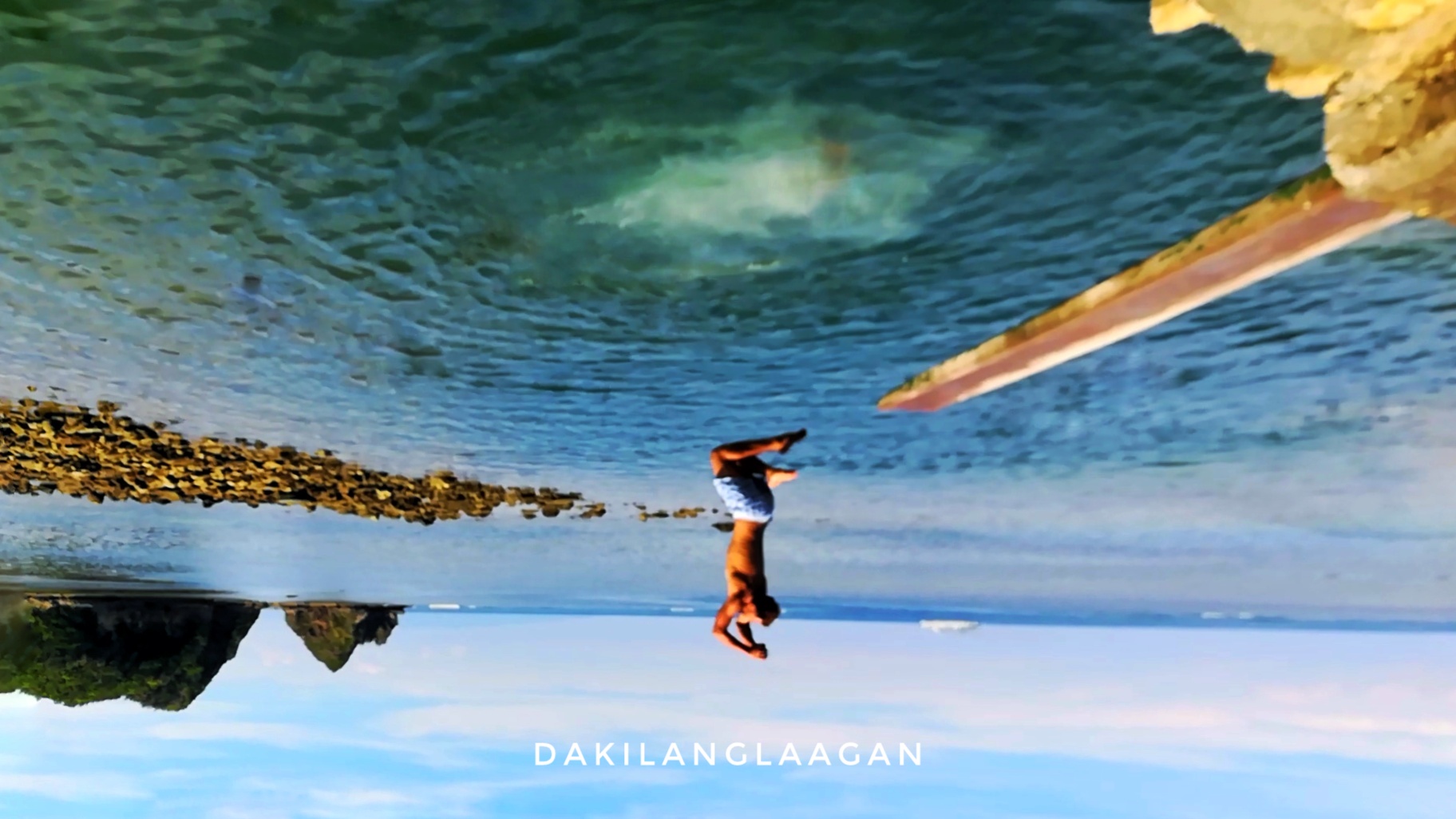
So, when you visit Twin Rock Beach, you’re not just soaking up the sun on pristine shores; you’re stepping into a mythical love story! Plus, the beach is a total playground with clear waters perfect for swimming and those twin rocks serving as the ultimate Instagram backdrop. It’s like getting a beach day and a dose of enchanting tales all in one – totally worth checking out!
Once you’ve had your fill of Twin Rock Beach, there are a bunch of other awesome spots nearby. Mamangal Beach is a quiet spot with calm waves and golden sands, Balite Beach is a local fave for its vibrant atmosphere, Marilima Beach offers nature walks and pristine waters, and Talisoy Beach gives you both beach and river vibes. Yes, Catanduanes isn’t just a one-beach wonder – it’s a whole beach adventure waiting to happen!
Bato Church
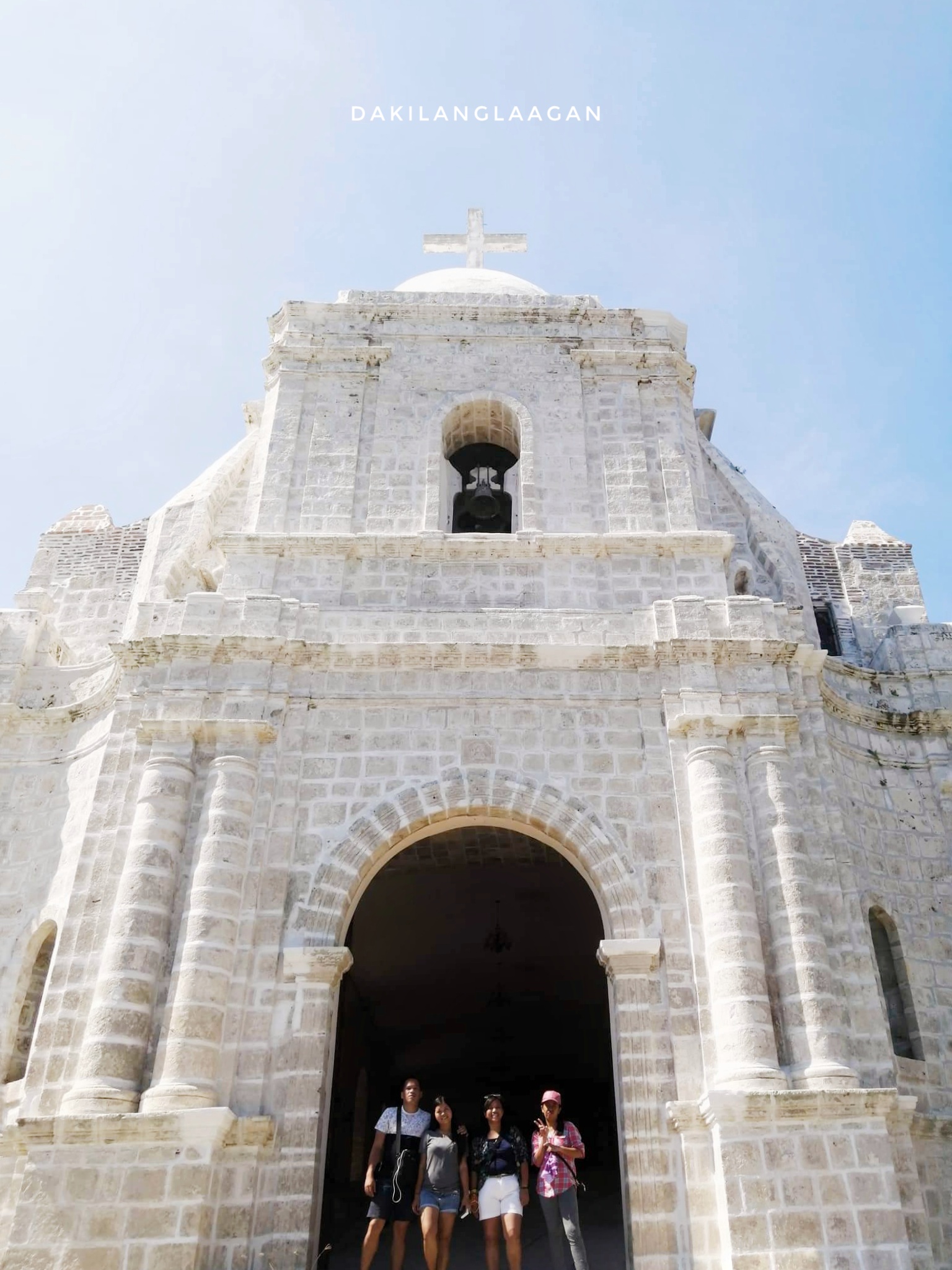
Bato Church in Catanduanes is a captivating blend of history and tranquility. Standing since the Spanish era, this centuries-old church is a testament to resilience, made from unique coral stones that whisper stories of the past. As you step into the sacred space, the impressive architecture takes you on a journey through time. Whether you’re drawn to its historical significance, and architectural beauty, or seeking a serene retreat, Bato Church invites visitors to immerse themselves in the rich cultural tapestry of Catanduanes.
Puraran Beach
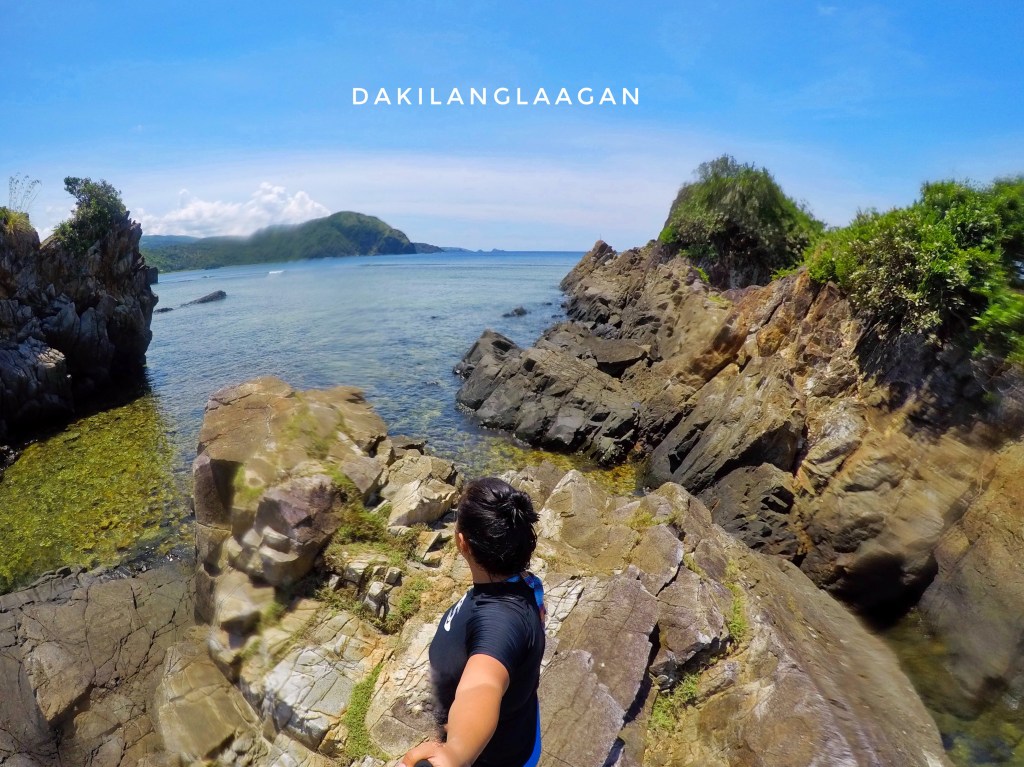
Puraran Beach in Catanduanes is more than just a pretty shore; it’s a surf paradise with a cool vibe. The golden sands and clear waters are surrounded by tall cliffs, making it a dreamy spot. But what makes it extra special is the “Majestic” wave, a legendary surf challenge that draws thrill-seekers from all over. Whether you’re a pro surfer or just looking for a chill day by the sea, Puraran Beach is the spot where surf culture meets stunning Philippine beauty.
Nahulugan Falls
Nahulugan Falls in Catanduanes is a hidden gem that promises a refreshing escape into nature’s embrace. Tucked away amidst lush greenery and pristine landscapes, the falls earned its name, which translates to “the place where something was dropped,” due to a local legend.
The journey to Nahulugan Falls is an adventure in itself, with a trek through vibrant forests and winding paths leading to the cascading beauty. Once there, the cool, clear waters and the soothing sound of the falls create a serene oasis. Whether you’re a nature enthusiast, an adventure seeker, or someone looking for a tranquil retreat, Nahulugan Falls offers a picturesque haven where the beauty of the natural world takes center stage.
Batong Paluway
A visit to Catanduanes is not complete without experiencing the serene beauty and cultural richness of Brgy. Batong Paloway in San Andres. The pilgrimage to witness the Our Lady of Sorrows, etched on a stone that has grown in size over a century, is a unique and spiritually enriching journey. From its humble original dimensions of 1 1/2 cm x 2cm, the image has expanded to approximately 4 1/2 cm x 6cm, allowing present-day visitors to observe it with the naked eye. This sacred site provides a tangible connection to the island’s history and enduring spiritual traditions, offering a profound and awe-inspiring encounter with the cultural and religious heritage of Catanduanes.

Luyang Cave
Heading to Luyang Cave in Barangay Lictin, San Andres, Catanduanes? Get ready for a wild ride into nature’s magic! This cave isn’t just your regular spot – it’s like Batman’s secret lair with innumerable bats and gigantic rock formations. Don’t forget your trusty flashlight because, in the cave world, it’s your superhero sidekick. And yeah, caves can be a bit chilly and wet, so bring your cozy vibes and get ready for a cool, mysterious adventure. Luyang Cave is like Mother Nature’s hidden treasure chest, and you’re about to unlock it!
Museo de Catanduanes
Before leaving Catanduanes, make sure to spare some time at Museo de Catanduanes. It’s not your ordinary museum; it’s like a vibrant time capsule that lets you dive into the heart and soul of the island. From ancient artifacts to snapshots of Spanish influence, this place weaves together the rich tapestry of Catanduanes’ past. But it’s not just a history lesson—it’s a community hub, buzzing with events and showcasing the island’s talent.

Caramoan Island
When planning your trip to Catanduanes, consider adding Caramoan to your itinerary for an extra dose of adventure and breathtaking landscapes. Caramoan, with its stunning islands and crystal-clear waters, offers a paradise for beach lovers and island hoppers. The captivating limestone cliffs, hidden lagoons, and powdery white sands create an enchanting backdrop for exploration. Don’t miss iconic spots like Matukad Island, where a hidden lagoon and the mystical Bangus (Milkfish) Lake await. With its distinct charm, Caramoan complements the natural beauty of Catanduanes, making your journey an unforgettable experience. Explore the untouched beauty of Caramoan and the captivating attractions that both destinations have to offer, ensuring a well-rounded and truly mesmerizing travel adventure.

PAGASA Radar Station
If you’re up for a unique adventure in Catanduanes, you’ve gotta check out the PAGASA Radar Station. It’s not your typical tourist spot, but let me tell you, it’s worth the visit. Picture this – perched high up on a hill, the station gives you jaw-dropping panoramic views of the island. You’ll feel like you’re on top of the world!

Now, the cool part is that this place is like the weather wizard’s den—it’s where they keep an eye on the skies and track weather patterns. So, you’re not just getting killer views; you’re also getting a sneak peek into the science behind weather forecasting. Whether you’re a weather geek or just love a good view, the PAGASA Radar Station is a must-visit spot that’ll leave you with both awe and a bit of meteorological wisdom!
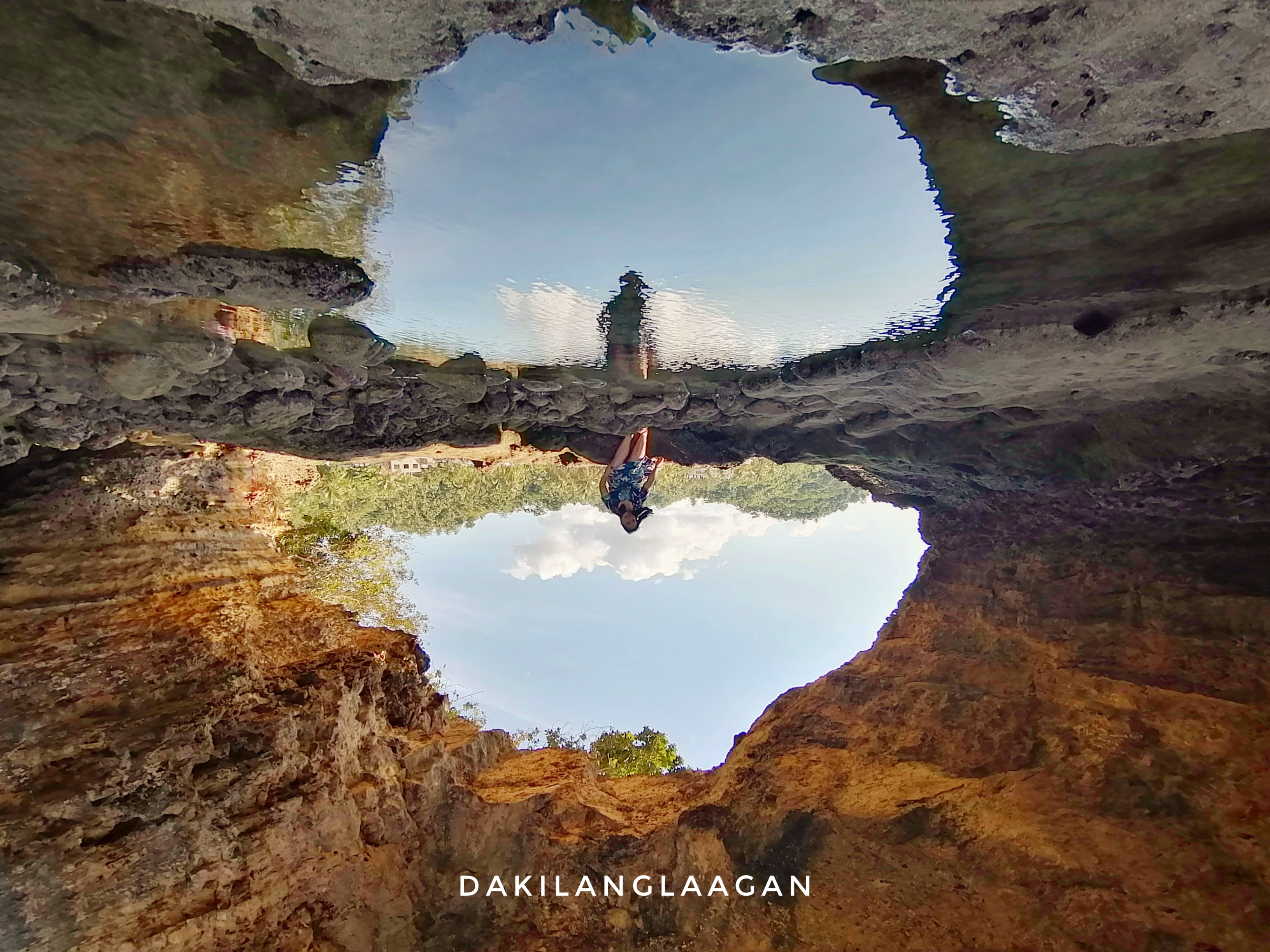
Batag Rock
The Batag Rock Arc in Catanduanes stands as a remarkable geological formation, a testament to the forces of nature sculpting the landscape over time. This imposing rock structure gracefully arcs over the water, presenting a picturesque spectacle that underscores the island’s natural beauty. The site offers a unique opportunity for visitors to appreciate the intricate work of erosion and weathering that has shaped this coastal landmark. Beyond its aesthetic appeal, Batag Rock Arc provides a platform for photography enthusiasts and nature admirers to capture stunning images against the backdrop of the vast ocean. Whether you seek geological marvels or photographic inspiration, a visit to the Batag Rock Arc promises a captivating and enriching experience.

What to Eat in Catanduanes
Discovering Catanduanes through its culinary delights offers a delightful journey into the diverse and unique flavors of this island province. Located in the eastern part of the Philippines and surrounded by the Pacific Ocean, Catanduanes boasts a distinctive geographical setting that profoundly influences its gastronomic offerings. This region is abundant in fresh seafood and tropical produce, creating a delectable fusion of Bicolano and Visayan culinary influences. As you explore local markets and dining spots, you’ll encounter a medley of flavors that narrate the island’s cultural heritage. From the renowned “Pastel” to enticing seafood dishes, Catanduanes beckons you to savor a culinary experience that intricately weaves together the island’s geography and gastronomic legacy.
Laing
One of the first dishes that were offered to us during our tour of Catanduanes was the delectable laing, and it swiftly became a highlight of our culinary exploration. This traditional Bicolano dish, prepared with meticulous attention, showcased the artistry and passion embedded in the local cuisine. Comprising dried taro leaves, coconut milk, chili peppers, and an array of spices, laing’s preparation is a labor of love, involving slow cooking to achieve its creamy and flavorful profile. The dish’s infusion of rich, spicy, and aromatic elements offers a genuine introduction to Catanduanes’ gastronomic heritage.
Tilmok
One of the foods that we were eager to try during our exploration of Catanduanes was the enticing tilmuk, a unique dish that offers a delightful blend of flavors. Tilmuk is meticulously prepared by steaming seafood, typically using freshwater shrimp known as buyod instead of crab meat, combined with coconut meat and infused with aromatic oregano. The addition of spices gives it a spicy kick, adding an extra layer of excitement to the palate. This culinary creation beautifully showcases the local ingenuity in blending fresh seafood, coconut richness, and zesty spices.
Kaluko
This Catanduanes delicacy is a taro root delight, filled with a delectable mixture of sweetened grated taro and young coconut meat, all harmoniously cooked in creamy coconut milk. For an enhanced taste, the addition of pandan leaves contributes an extra layer of aromatic goodness. Widely enjoyed as a popular afternoon snack, this treat is ingeniously crafted from the versatile gabi (taro root).
Seafood
Alright, let me tell you about the seafood scene in Catanduanes—it’s like a culinary party celebrating the ocean’s finest treasures! Picture this: succulent crabs, lobsters, shrimps, and all sorts of fish stealing the show in the local cuisine. Now, brace yourself for some indulgence with lobster-based dishes like Cocido, bringing that taste of pure luxury. But the real stars are the creative gems like ginataang tabagwang sa pako – coconut milk, crab, and fern dancing together on your taste buds. And don’t even get me started on steamed tabugok, taktakun, and stir-fried bagisara – they’re like a flavor explosion! Whether you’re digging into this seafood symphony at a seaside joint or exploring the lively markets, Catanduanes’ seafood scene is a delicious journey that shouts out the island’s maritime richness and cultural vibes. You don’t want to miss this gastronomic adventure, trust me!

Where to Stay in Catanduanes
When it comes to choosing the perfect place to stay in Catanduanes, the options are as diverse as the island’s landscapes. Apart from Lucky Hotel and Resorts in Virac (where we stayed), there’s a range of accommodations catering to different preferences and budgets. Whether you’re drawn to beachfront resorts, cozy guesthouses, or budget-friendly inns, Catanduanes has it all. Explore the scenic coastal offerings or opt for a central location in the heart of town. From San Andres to Pandan, each municipality holds a unique charm, and the lodging options are as varied as the island itself.
Tip: Aside from Booking.com and Airbnb, you can also check AirAsia SuperApp for amazing deals and discounts on accommodation for your trip to Catanduanes.
How to Get to Catanduanes
Getting to Catanduanes offers two primary routes for travelers. The convenient choice is a direct flight from Ninoy Aquino International Airport to Virac, Catanduanes, with fares averaging around P3,000+. Alternatively, for those seeking a longer but scenic journey, buses from Manila (Cubao, Pasay, and Alabang) can take you to Tabaco, Albay. From there, hop on a pedicab to Tabaco Port. It’s important to note that Catanduanes has two ports: Virac and San Andres. If you’re on a package tour, ensure to clarify with your guide which port to head to.
Coming from Cebu, we maximized our trip by heading directly to Catanduanes after our Albay tour, spending a total of four days in Catanduanes, including travel time. Being a group of four, the no-brainer choice for us was going for a package tour—easy peasy! For an effortlessly awesome Catanduanes experience, we hooked up with the Island Escape Travel & Tours crew in Virac. These guys are DOT accredited and literally sorted out everything – hotels, tours, meals, the whole shebang.
But hey, if you’re feeling a bit more explorer-ish, Catanduanes has a bunch of jeepneys and multi-cabs buzzing around Virac. If you’re not a fan of random schedules, go ahead and grab a habal-habal for a full day, just like our solo-traveler buddy did. And of course, there’s always the tricycle option for the squad. Just a tip: flex those haggling skills for the best rates!

If you’ve made it here, it’s your sign to consider a trip to Catanduanes in 2024. Imagine catching waves at the famous Puraran Beach, exploring hidden spots like Mamangal and Talisoy Beaches, and checking out the old Bato Church. Don’t miss Nahulugan Falls for a scenic treat! Try tricycle rides, habal-habal tours, and enjoy tasty local food. Catanduanes is waiting for you with its friendly vibes and beautiful scenery. Make 2024 the year you discover this Happy Island—it’s your time for adventures and good times!
 Dakilanglaagan