Cebu is the ‘Cradle of Christianity’ for a reason. Nestled within its vibrant streets and bustling markets lie the hallowed grounds of centuries-old churches, each bearing witness to a storied past steeped in faith and history.
From the iconic Basilica Minore del Santo Niño, which traces its origins to the Spanish colonial era and houses the revered Santo Niño de Cebu, to the quaint yet profound chapels scattered throughout the city, Cebu’s churches stand as architectural marvels and pillars of spiritual devotion. They echo with the footsteps of explorers, missionaries, and believers alike, weaving a tapestry of religious heritage that continues to inspire awe and reverence to this day.
14 Churches We’ve Visited During Our Visita Iglesia Run
- Archdiocesan Shrine of Our Lady of Guadalupe de Cebu
- Archdiocesan Shrine of Our Lady of Lourdes
- Cebu Archdiocesan Shrine of San Roque
- Chapel of San Pedro Calungsod
- San Nicolas de Tolentino Parish Church
- Our Lady of Mt. Carmel Parish—Recoletos
- Basilica Minore del Sr. Sto. Niño
- Cebu Metropolitan Cathedral
- Sto. Rosario Parish
- Saint Ignatius of Loyola Chapel
- The Archdiocesan Shrine of the Most Sacred Heart of Jesus
- Cebu Archdiocesan Shrine of Saint Pedro Calungsod
- Our Mother of Perpetual Help—Redemptorist Church Cebu
- Our Lady of the Sacred Heart Parish – Capitol
- Chapel of Our Lady of Miraculous Medal (Asilo de la Milagrosa)
- Archdiocese Shrine of St. Therese of the Child Jesus
- Carmelite Monastery of Cebu
- Saint Joseph the Patriarch Parish – Mabolo
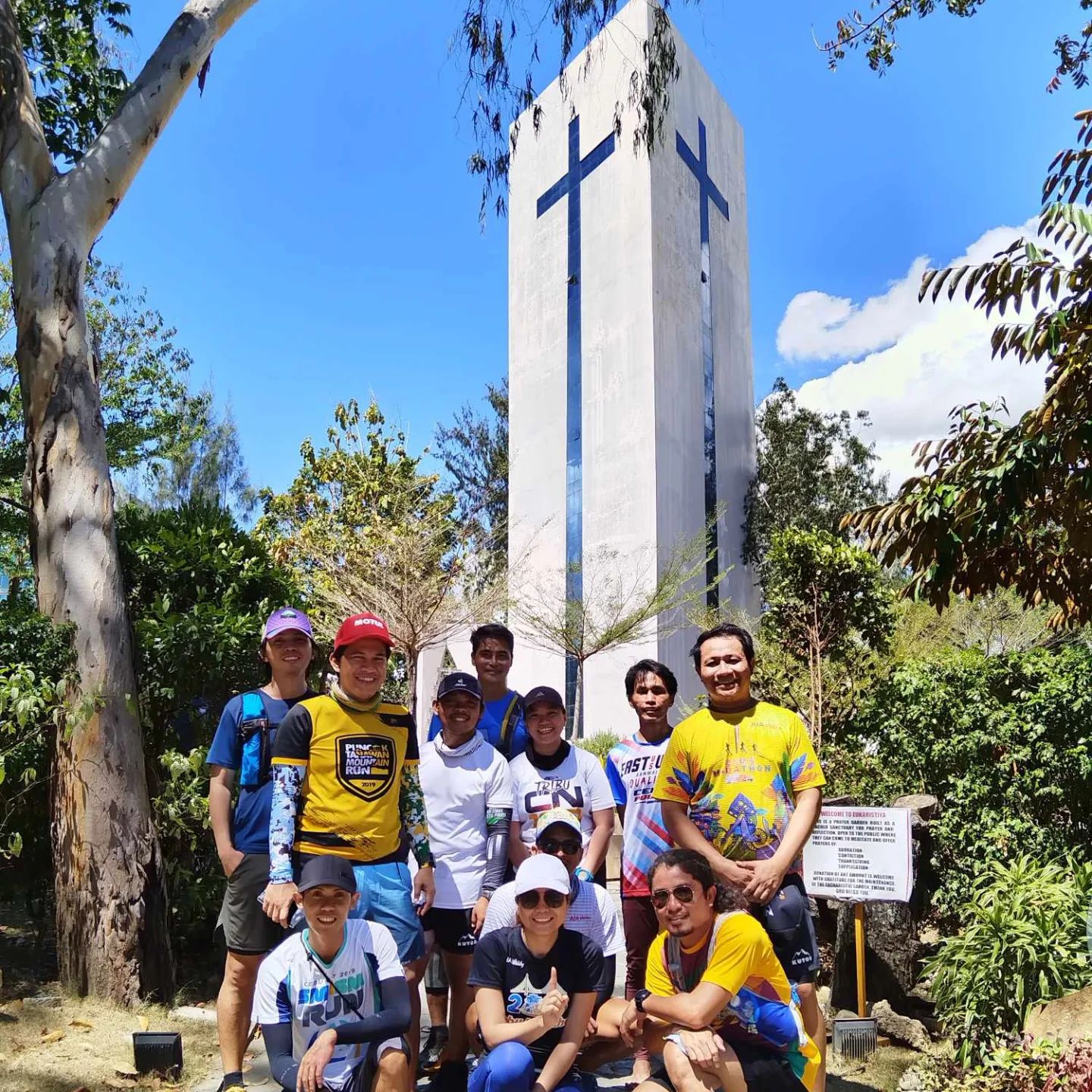
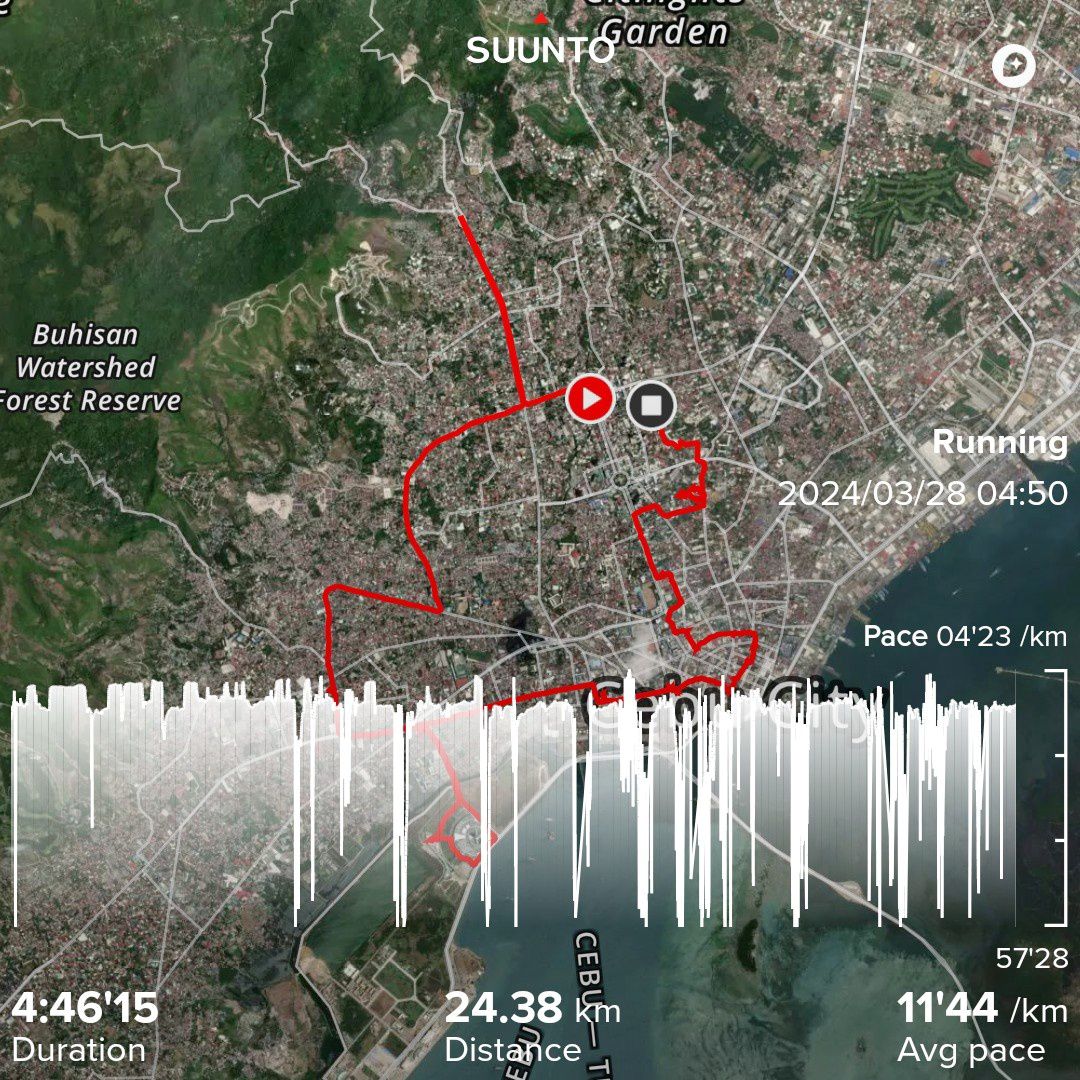
Last week, I decided to take part in the Visita Iglesia Run in Cebu City with fellow city runners. This fellowship run covered 14 churches over a distance of approximately 25km. Starting from the Capitol, where the governor’s seat is located, the run commenced at around four in the morning.
Having joined last year’s run, I took this opportunity to once again participate in this Holy Week tradition of pilgrimage. The run provided a chance to reflect on the passion and deepen spiritual connection, despite the intense heat. It was an enjoyable experience, as we explored the city, met new people, and exchanged interesting facts about the churches we visited.
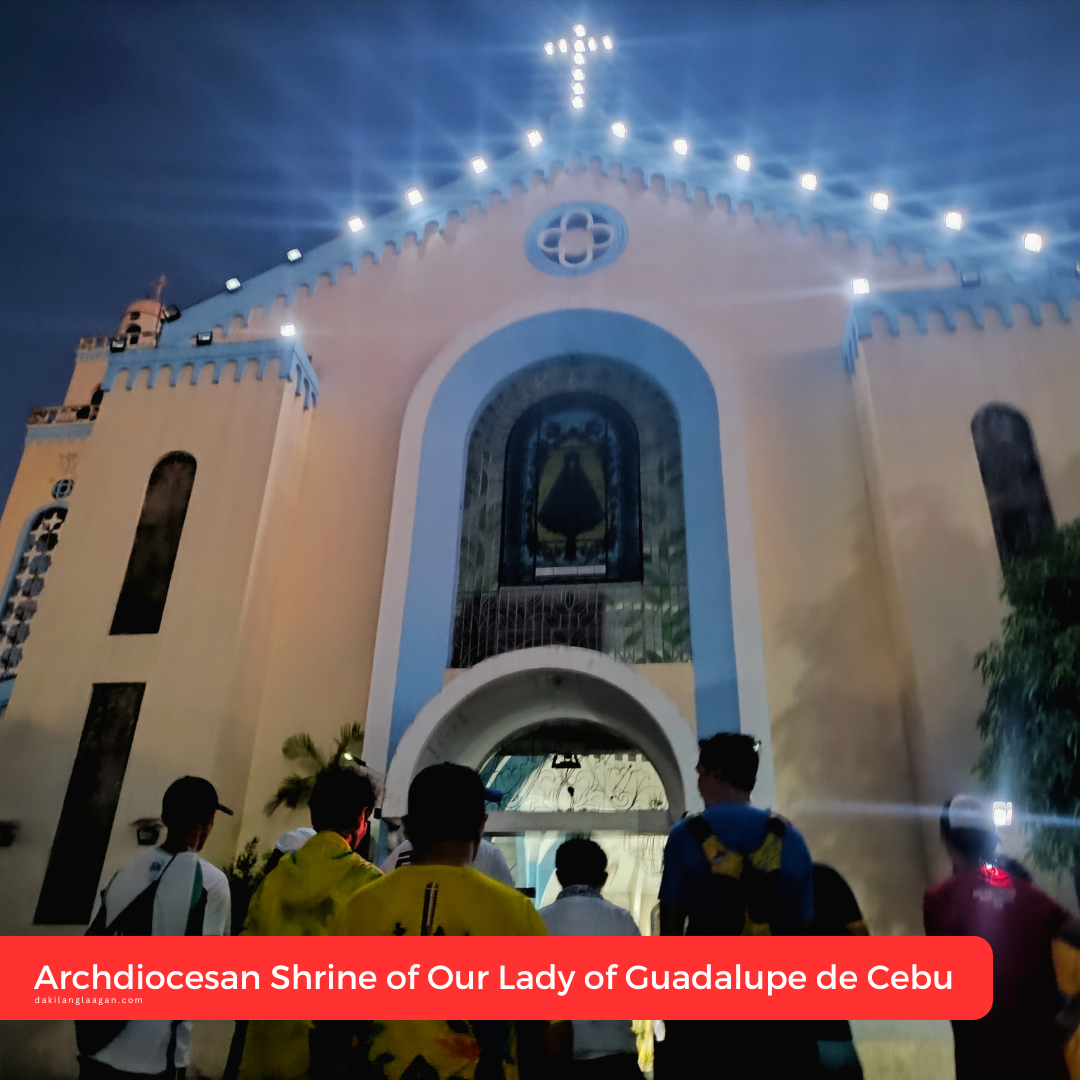
Station 1: Archdiocesan Shrine of Our Lady of Guadalupe de Cebu (Barangay Guadalupe, Cebu City)
Did you know that Sr. Sto. Niño isn’t Cebu’s patron saint? Many mistakenly believe so. It’s actually Our Lady of Guadalupe de Cebu, declared by Cebu Archbishop Ricardo Cardinal Vidal in 2002. Catholic officials explained that this doesn’t contradict Catholic teaching, as patron saints must be human saints praying for the living.
This adds depth to the Archdiocesan Shrine of Our Lady of Guadalupe de Cebu. Legend has it that the image of Our Lady appeared on a local stairway in the 16th century. Over time, it became a significant pilgrimage site for those seeking blessings and miracles. The shrine’s architecture blends modern and traditional elements, offering visitors a unique experience.
Station 2: Archdiocesan Shrine of Our Lady of Lourdes (Punta Princesa, Cebu City)
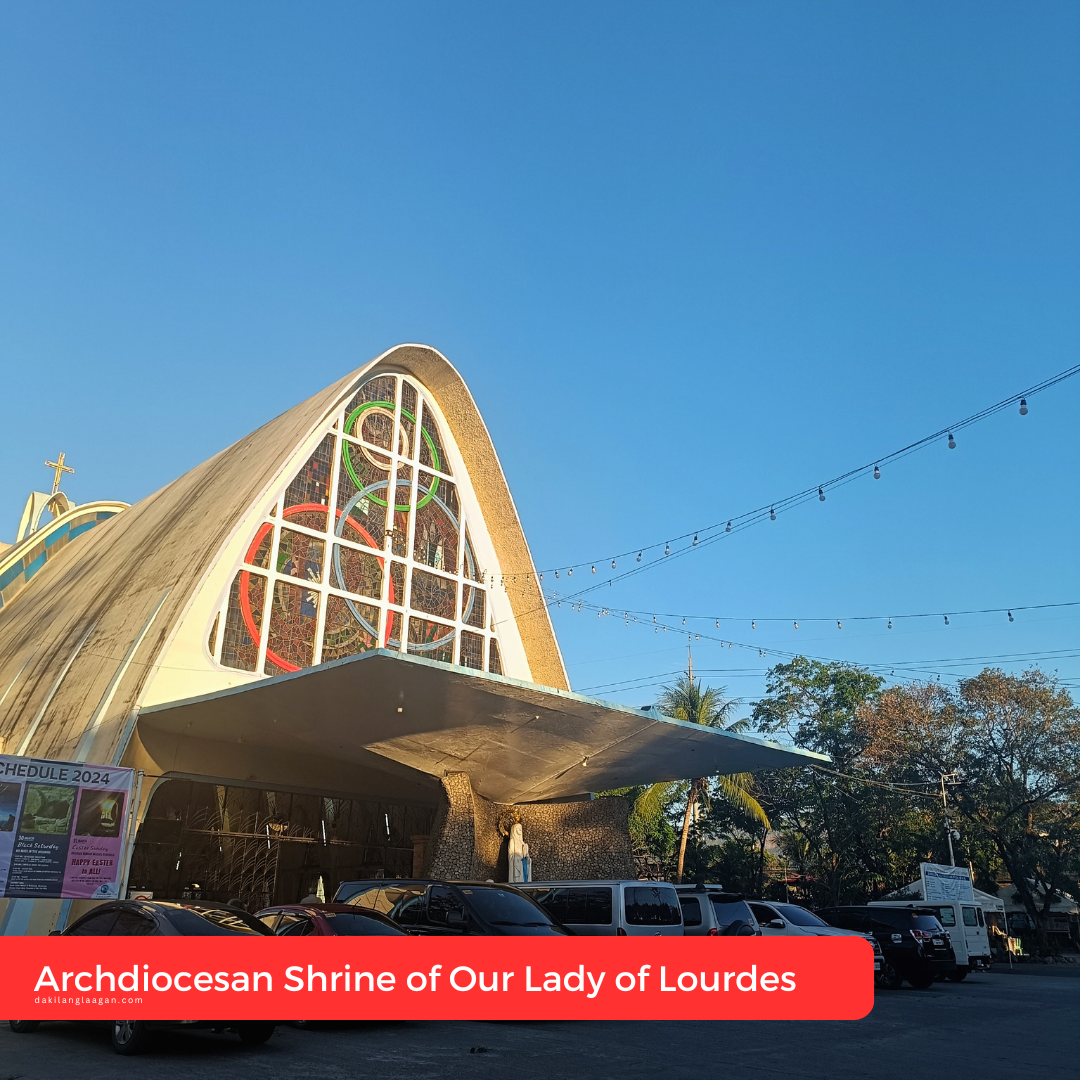
The story of Our Lady of Lourdes Parish began in the 1930s when Don Pablo Atillo, from the esteemed Atillo clan, brought the image of Our Lady to Cebu from Manila. Devoted to the Blessed Mother, the Atillos initially housed her in a small chapel within their residence, attracting followers from various backgrounds. As the number of worshipers grew, a proper church was needed, leading to the gradual formation of the first Parish of Our Lady of Lourdes. Despite facing destruction during World War II, the church was rebuilt on the same site, with funds raised creatively, including selling eggs and organizing movie fundraisers.
Officially established on January 27, 1957, the parish saw the completion of its wooden church structure by February 11, 1958, coinciding with the Centenary Celebration of Our Lady of Lourdes. Over time, the church underwent various enhancements, including the installation of stained-glass windows and the creation of a striking stone tabernacle. Architectural redesigns by Virgilio Asuncion and contributions from the Salesian community further embellished the church. Today, Our Lady of Lourdes Parish stands as a testament to faith and perseverance, reflecting the dedication of Father Bosch, the Salesian community, and parishioners who tirelessly worked for over 16 years to create its magnificent structure.
Station 3: Cebu Archdiocesan Shrine of San Roque (Mambaling, Cebu City)
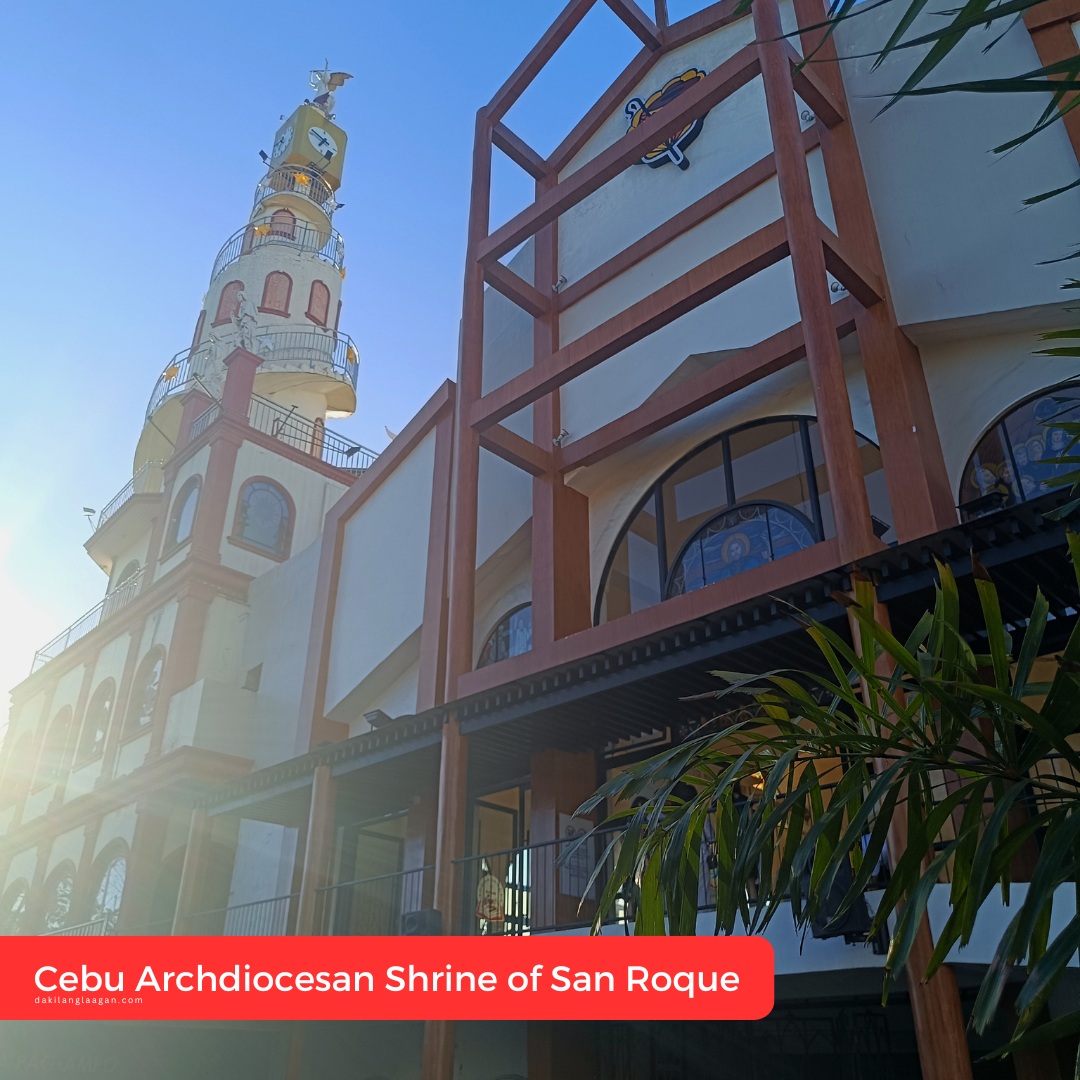
Before the establishment of the San Roque Parish in Barangay Mambaling, Cebu City, in 1973, there were tales that skeptics might dismiss as mere legends. One story tells of a fisherman who heard a mysterious voice instructing him to carve something from driftwood, later identified as San Roque. Another legend credits San Roque with stopping a disease outbreak during a religious procession. These stories inspired devotion to San Roque, leading to the parish’s founding.
Elevated to an Archdiocesan Shrine in 2008, the shrine now aims to increase mass attendance and become a pilgrimage site, honoring San Roque, patron saint against plagues and epidemics. Celebrating its golden jubilee, the shrine plans various projects, including a play about San Roque’s life. San Roque is also the patron saint of dogs, the sick, pilgrims, bachelors, and falsely accused individuals.
Station 4: Chapel of San Pedro Calungsod (Mambaling, Cebu City)
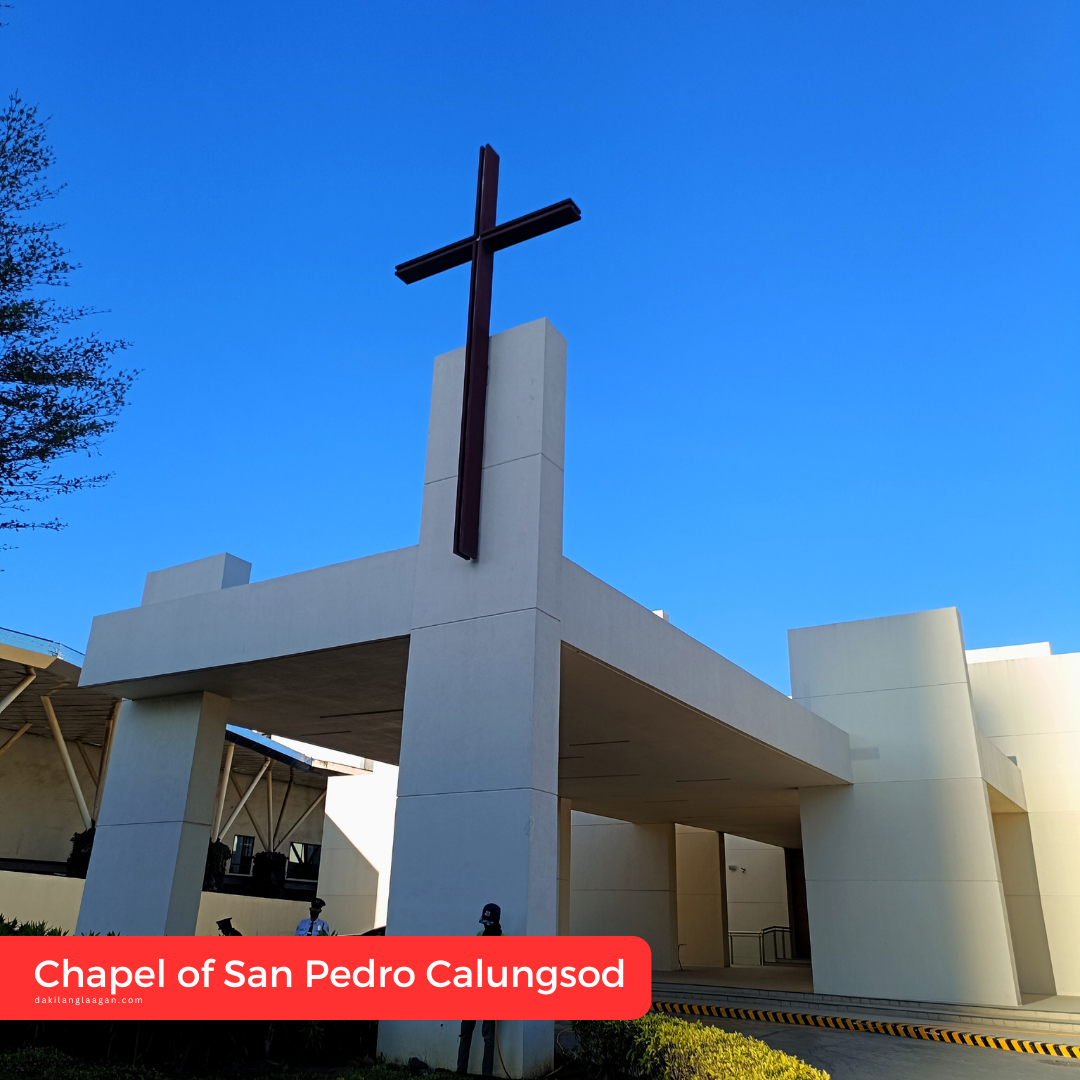
The Chapel of San Pedro Calungsod, generously donated by Henry Sy, Sr. and Felicidad Sy, pays tribute to the first Visayan saint. Situated within the SM Seaside Complex, this pilgrimage destination was designed by architect Carlos Arnaiz. It can accommodate 803 individuals and embodies Cebu’s dynamic design culture. Particularly noteworthy are its distinctive walls, totaling 100, which evoke a congregation and contain diverse spaces, such as a baptistry and adoration chapel, offering a contemporary sanctuary for reflection.
Station 5: San Nicolas de Tolentino Parish Church (San Nicolas, Cebu City)
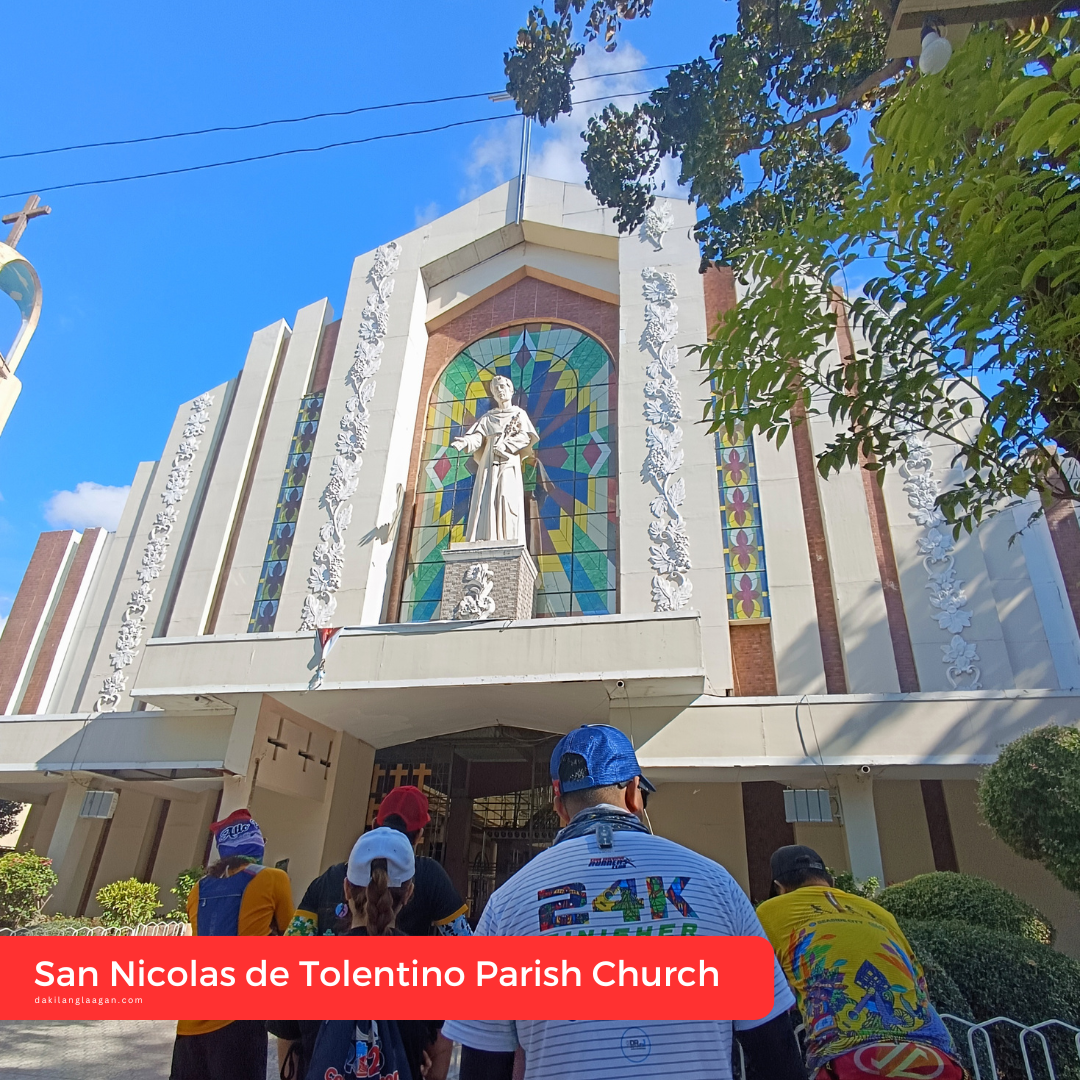
San Nicolas Church has a rich history dating back to the Spanish colonization period. Founded in 1565 as Villa de San Miguel by Miguel Lopez de Legazpi, it was later renamed Villa Santisimo Nombre de Jesus in 1571. Construction of the church began in 1787 and was completed in 1804, with additional features like the bell tower, parochial house, and clock added over time. Despite facing damage from storms, earthquakes, and wartime use as a fortress, the present church was rebuilt after World War II, thanks to the efforts of the Knights of Columbus and Fr. Venerando Reynes.
The church’s design includes a courtyard, a welcoming entrance, and beautiful artwork. It hosts an annual procession during the Sto. Niño de Cebu feast in January and celebrates the feast of St. Nicolas of Tolentino every September 10.
Station 6: Our Lady of Mt. Carmel Parish—Recoletos
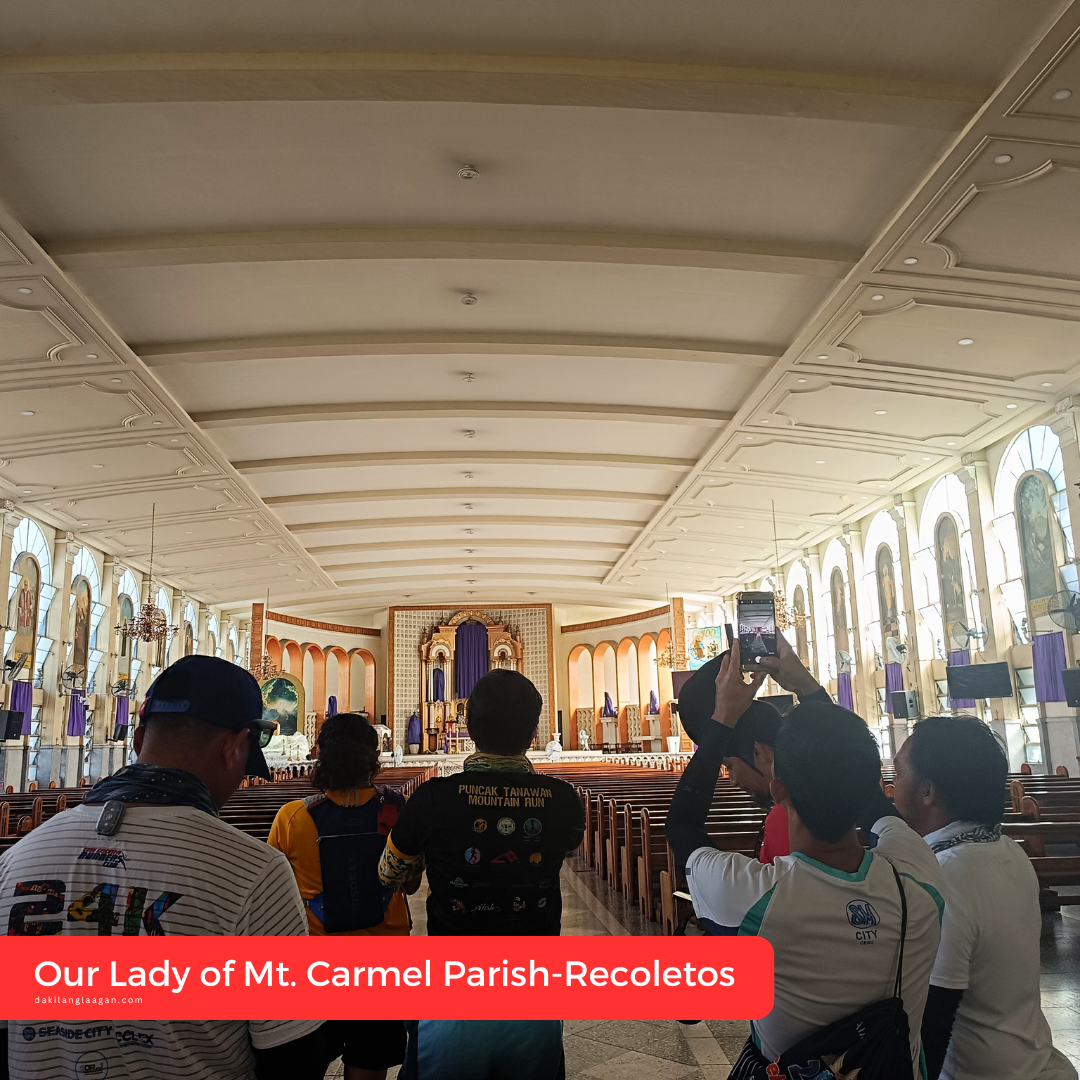
If you’ve been to Carbon Market, you might have seen the Archdiocesan Shrine of Nuestra Señora del Carmen La Limpia, a place steeped in history. Originally a chapel dedicated to the Immaculate Conception built by Augustinian Recollect missionaries in 1621, it evolved into a church in 1747. However, despite its significance, this church was unfortunately demolished two centuries later. Yet, from its ashes rose a new place of worship, constructed in 1964 and consecrated on March 18, 1966.
This church, later becoming the Parish of Our Lady of Mt. Carmel-Recoletos on January 1, 1971, resides within the University of San Jose-Recoletos complex. Despite its association with the university, efforts have been made to raise awareness of its Marian patronage. The church proudly houses the centuries-old Marian image of Nuestra Señora del Carmen, which received an episcopal coronation on January 8, 2022. Moreover, on April 29, 2022, the parish was elevated to an archdiocesan shrine, marking a significant milestone in its history. With its beautiful architecture featuring a striking portico and a quadrangular belfry, the shrine stands as a testament to faith and devotion. And every year on July 16th, the feast of Our Lady of Mt. Carmel is joyously celebrated, further enriching the cultural tapestry of the community.
Station7: Basilica Minore del Sr. Sto. Niño
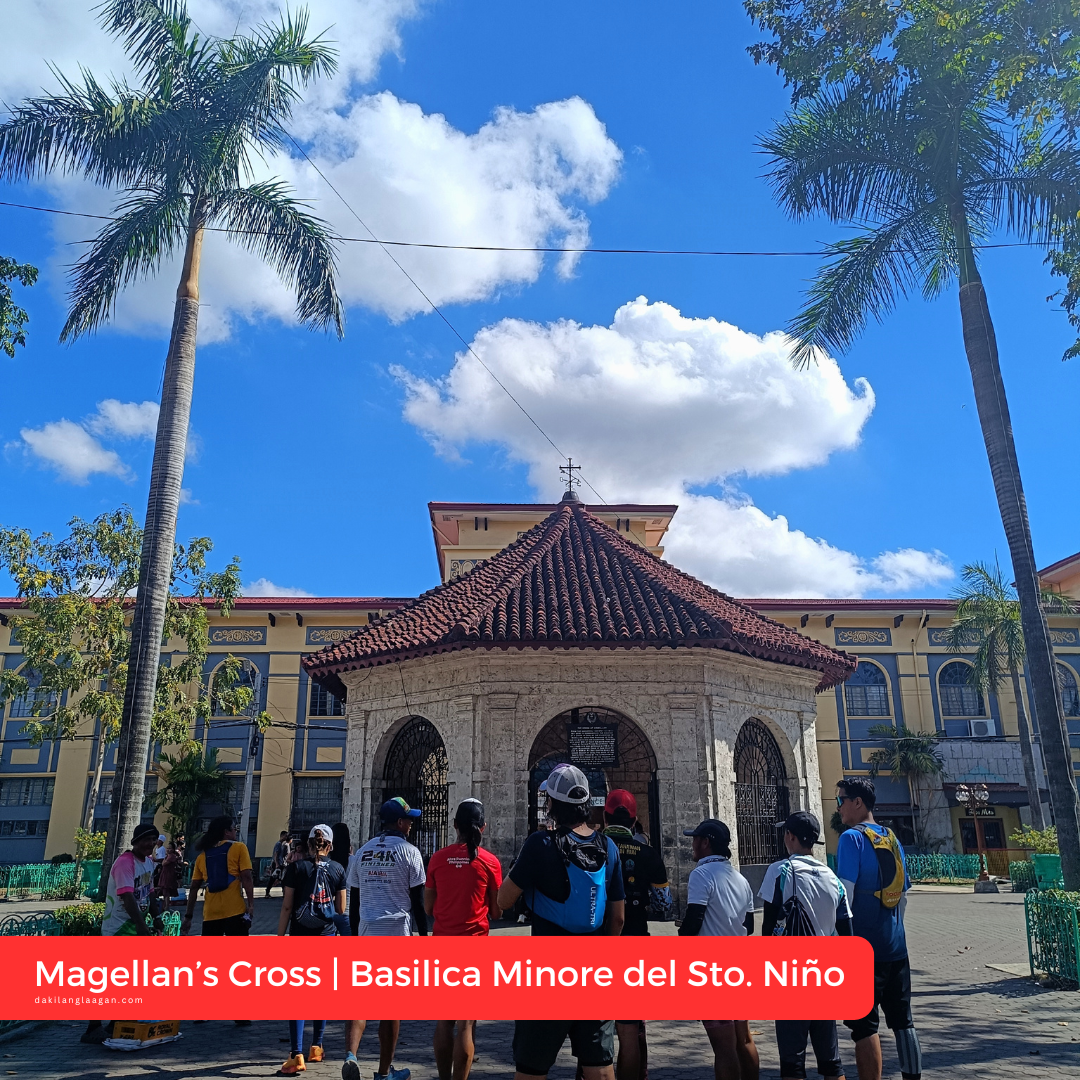
Of course, a religious trip around Cebu City wouldn’t be complete without a visit to the iconic Basilica Minore del Sto. Niño. Established in the 16th century, this basilica holds a special place in the hearts of Cebuanos and visitors alike. Did you know that it’s home to the oldest religious relic in the Philippines? Yes, the Sto. Niño de Cebu, gifted by Ferdinand Magellan, is enshrined here. Every January, millions gather to celebrate the Sinulog Festival, a vibrant event honoring the Holy Child Jesus. With its rich history and cultural significance, the basilica remains a cherished symbol of faith and tradition in Cebu.
Station 8: Cebu Metropolitan Cathedral
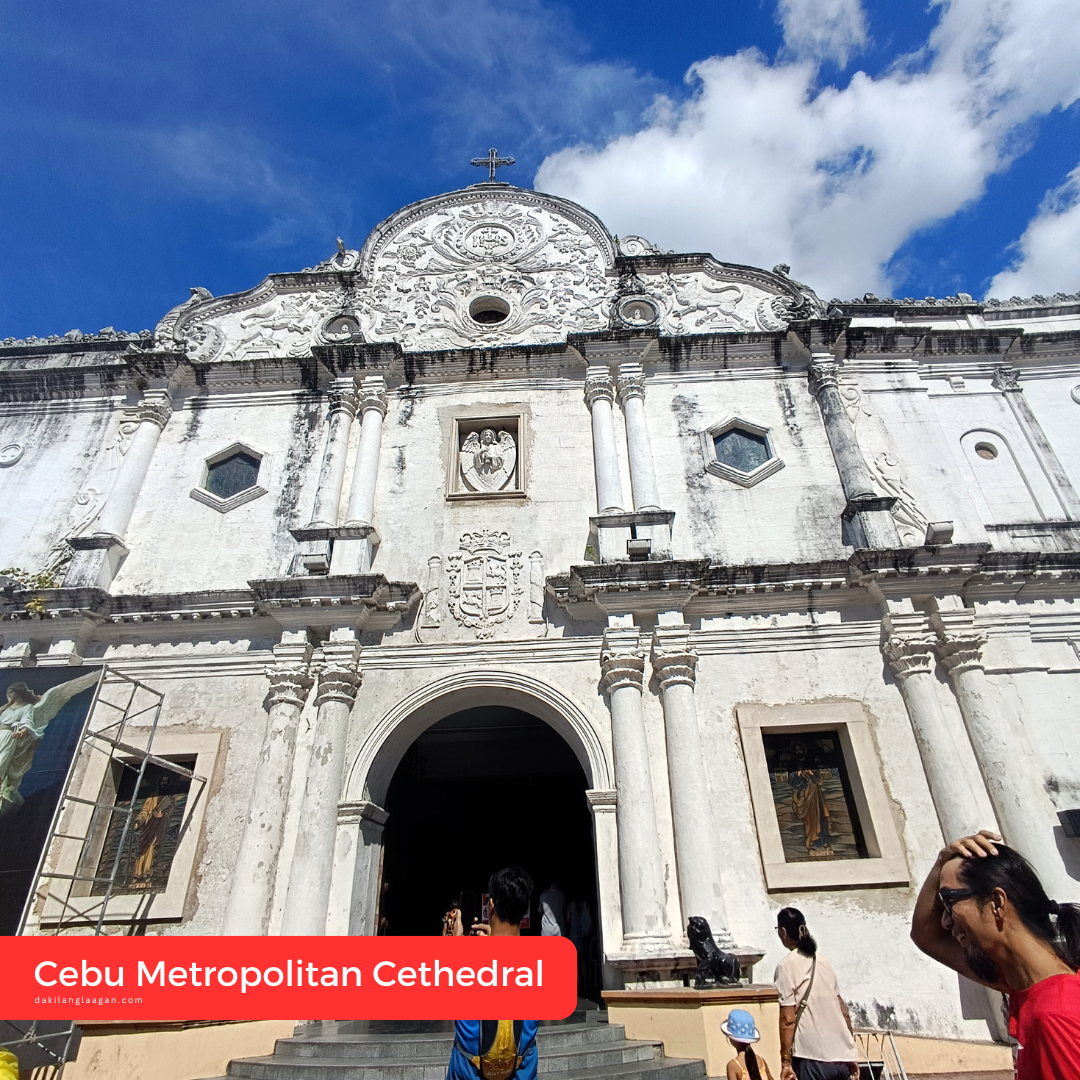
Just across the Basilica, passing through the city’s shortest street, P. Zamora, you’ll find the majestic Cebu Metropolitan Cathedral. This historical landmark, built in 1565 by Miguel Lopez de Legazpi, holds a significant place in Cebu’s religious heritage. Did you know that it was originally constructed using wood and palm leaves before being rebuilt with stone in the 17th century?
Despite facing various challenges over the centuries, including fires and earthquakes, the cathedral stands as a testament to resilience and faith. Its impressive architecture and serene atmosphere make it a popular destination for both worshippers and tourists alike, inviting all to experience the beauty and spirituality within its walls.
Station 9: Sto. Rosario Parish
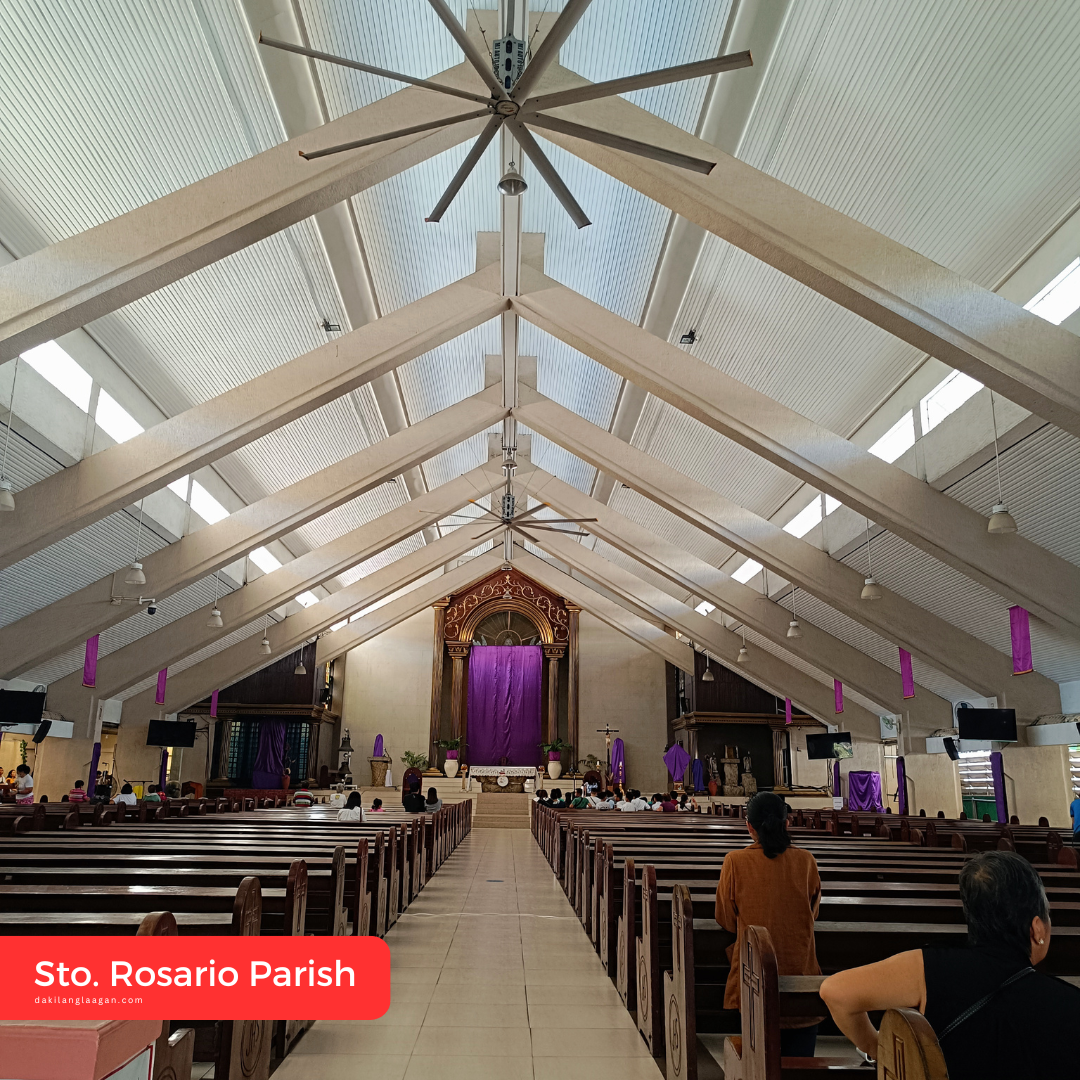
Sitting on P. del Rosario St. near the main campus of the University of San Carlos (USC) in downtown Cebu, Sto. Rosario Church is bustling with activity as one of the city’s busiest churches. It was completed on August 22, 1933, and has since undergone three renovations, the latest in 2008 for its 75th anniversary celebration. Notably, during this renovation, an image of its patron, “Our Lady of the Holy Rosary,” was added to the church’s facade, adding to its charm and significance.
Station 10: Saint Ignatius of Loyola Chapel
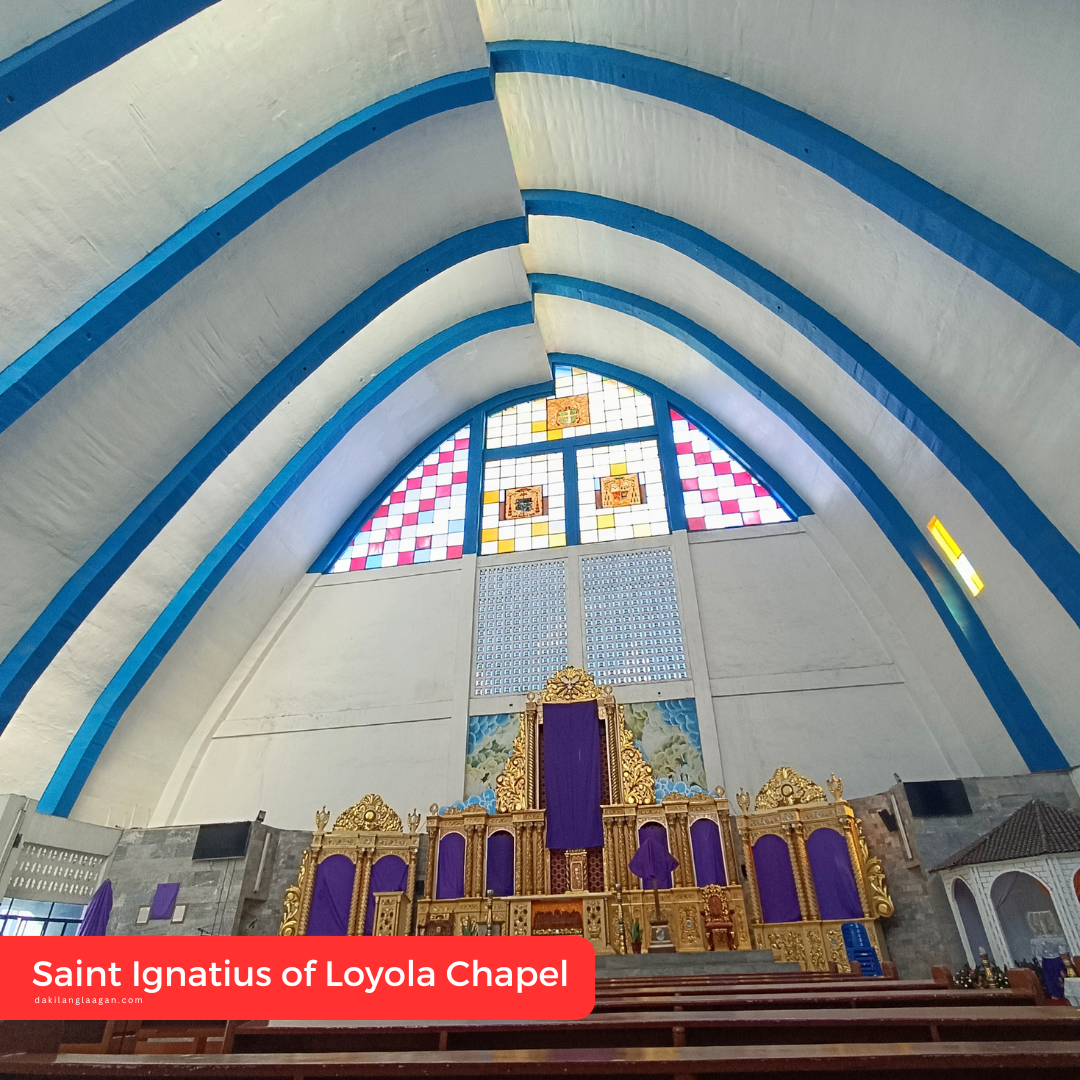
Did you know that there’s a chapel near Cebu Normal University and Abellana Sports Complex? It’s the Saint Ignatius of Loyola Chapel at Camp Sergio Osmeña, tucked amidst the bustling cityscape. This chapel, named after the founder of the Jesuits, Saint Ignatius of Loyola, holds a significant place for military personnel and their families. Constructed within the premises of Camp Sergio Osmeña, it blends modern design with traditional aesthetics, offering a serene haven for worship and reflection amidst its picturesque surroundings.
Station 11: The Archdiocesan Shrine of the Most Sacred Heart of Jesus
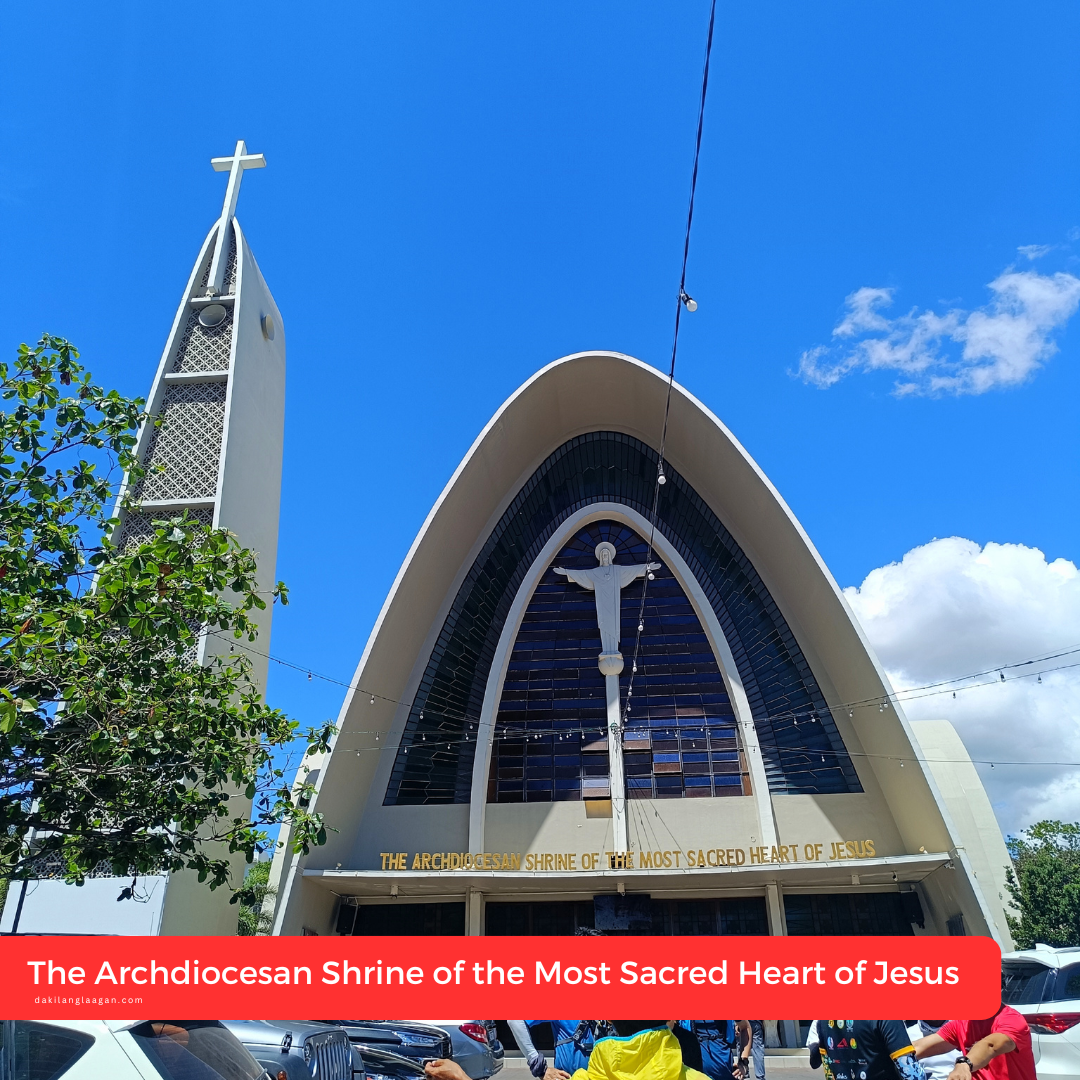
Established in 1952 by the Filipino Chinese community during Julio Cardinal Rosales, D.D.’s term, the Archdiocesan Shrine of the Sacred Heart of Jesus in Cebu gained archdiocesan status on May 10, 2012, under Bishop Jose Palma. Originally named Our Lady of China Parish, it was later dedicated to the Sacred Heart of Jesus. Managed by the Society of Jesus, the church was finished in 1963 under Fr. Arthur Baur, SJ’s leadership. Its remarkable architecture showcases large curvilinear shells and a distinctive bell tower. The facade, adorned with dramatic curves and stained-glass decorations, provides a striking entrance. Additionally, the parish property, completed in 2016, includes a columbary for the faithful.
Station 12: Cebu Archdiocesan Shrine of Saint Pedro Calungsod
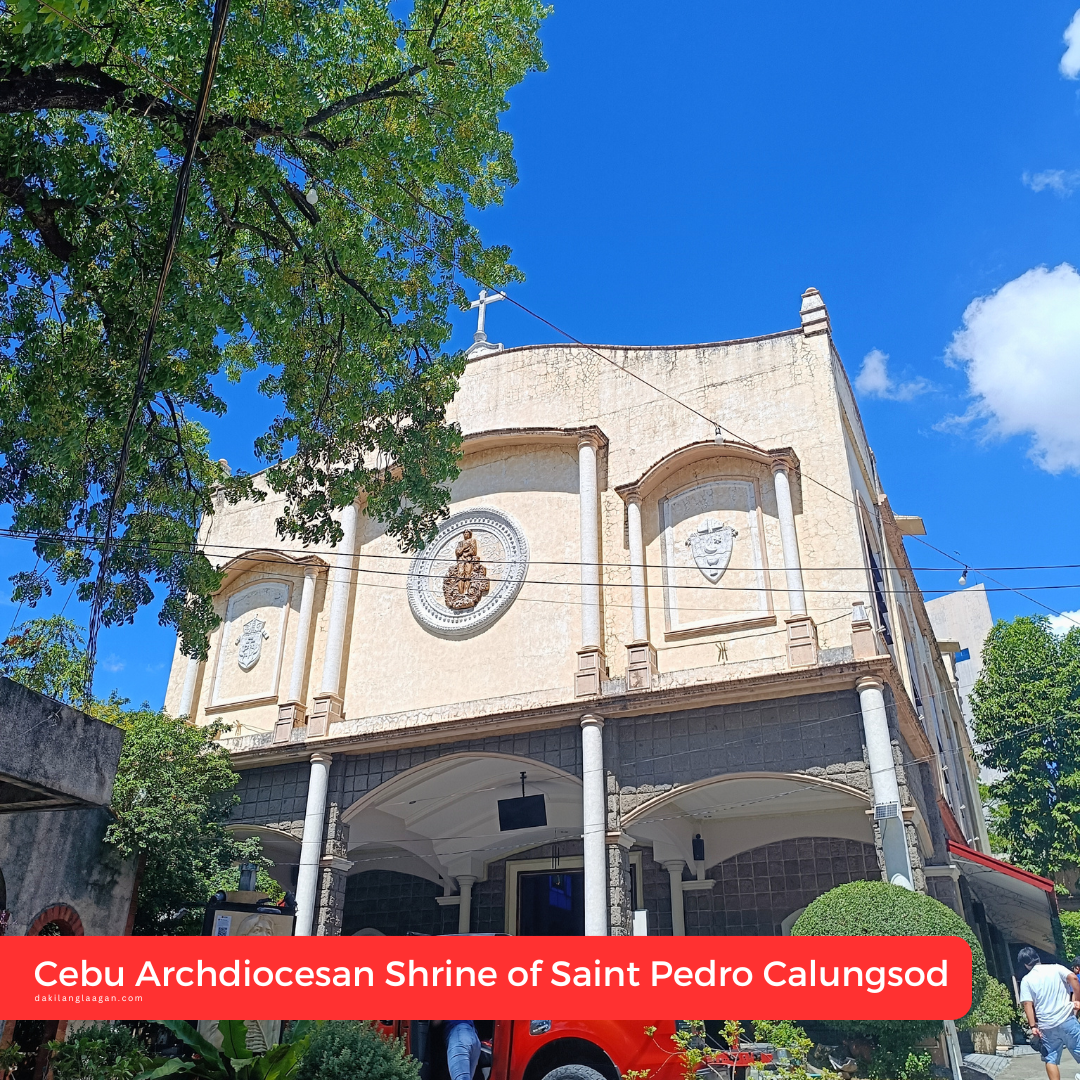
If there’s a certain thing called ‘love at first church,’ for me, it would be the Cebu Archdiocesan Shrine of Saint Pedro Calungsod.
The Archdiocesan Shrine of Blessed Pedro Calungsod in Cebu City stands out as one of the most beautiful religious sites, particularly for its stunning interior. Dedicated to Pedro Calungsod, the first Visayan saint, the shrine was established under the leadership of Archbishop Ricardo Cardinal Vidal. Calungsod, a young missionary martyred in Guam in 1672, was beatified by Pope John Paul II in 2000 and canonized by Pope Benedict XVI in 2012. The shrine’s construction began in 2001 and was consecrated the following year.
Designed by Prudence Salutillo and Fr. Ildebrando Jesus Aliño Leyson, the shrine can accommodate up to 200 churchgoers and features a captivating portico adorned with Tuscan columns and a high relief of Calungsod. Inside, visitors can find a reliquary containing earth samples from Guam and a replica of the sword used in Calungsod’s martyrdom. Additionally, a statue of the saint, accompanied by a piece of rock from Guam, further enriches the shrine’s significance.
Station 13: Our Mother of Perpetual Help—Redemptorist Church Cebu
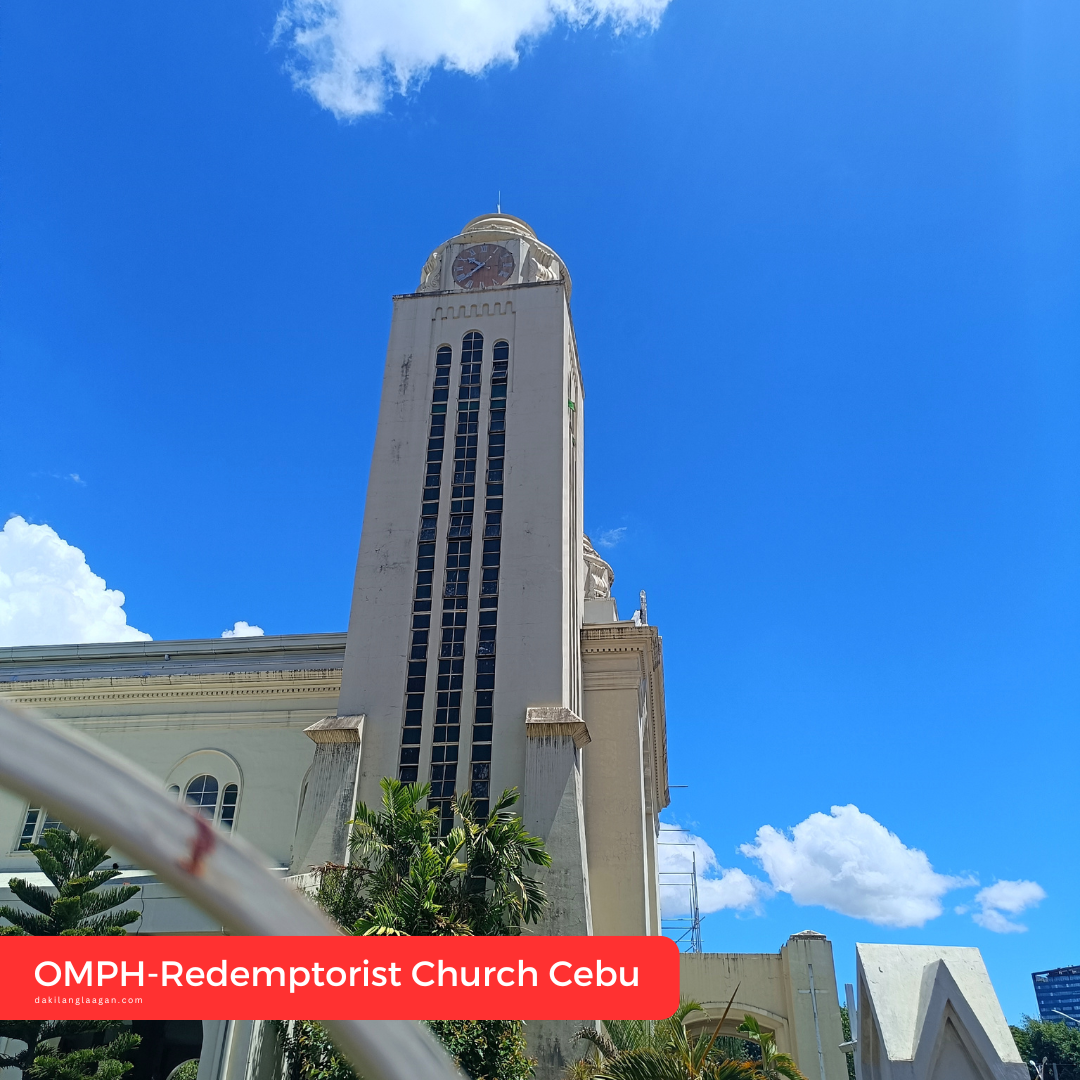
As per recorded history, the Redemptorist Missionaries arrived in the Philippines in the early 1900s to bolster the dwindling number of Spanish friars after the revolution. Led by Fr. Andrew Boylan, they landed in Mactan, Cebu, in June 1906. Their missions began in Compostela, Cebu, later expanding to Guadalupe and San Francisco in Camotes Islands, focusing on the neglected and impoverished. Unlike the Spanish clergy, they adapted to local dialects, gaining trust. By 1928, they divided into northern and southern provinces, with Cebu as their base. Despite disruptions during World War II, their work continued, leading to the idea of a larger church post-war. Fundraising efforts led to the completion of a grand Romanesque church in June 1950, known as the Redemptorist Church, which became a beloved landmark in Cebu City. Hosting popular novenas and masses, it was officially designated a parish in 1971, marking a century of the Redemptorists’ missionary efforts in the Philippines.
The Redemptorist Church, modeled after European Romanesque architecture, features a facade with twin bell towers and a decorated portico. Inside, the church boasts three naves with vaulted ceilings and clerestory windows. The focal point is an icon of Our Mother of Perpetual Help, surrounded by ornate altars dedicated to the Sacred Heart and St. Joseph. The church’s serene ambiance, enhanced by natural light and tropical breezes, makes it a spiritual haven. A unique feature is its role during World War II when it sheltered the Sto. Niño de Cebu’s image from destruction, underscoring the church’s historical significance in Cebu’s religious landscape.
Station 14: Our Lady of the Sacred Heart Parish – Capitol
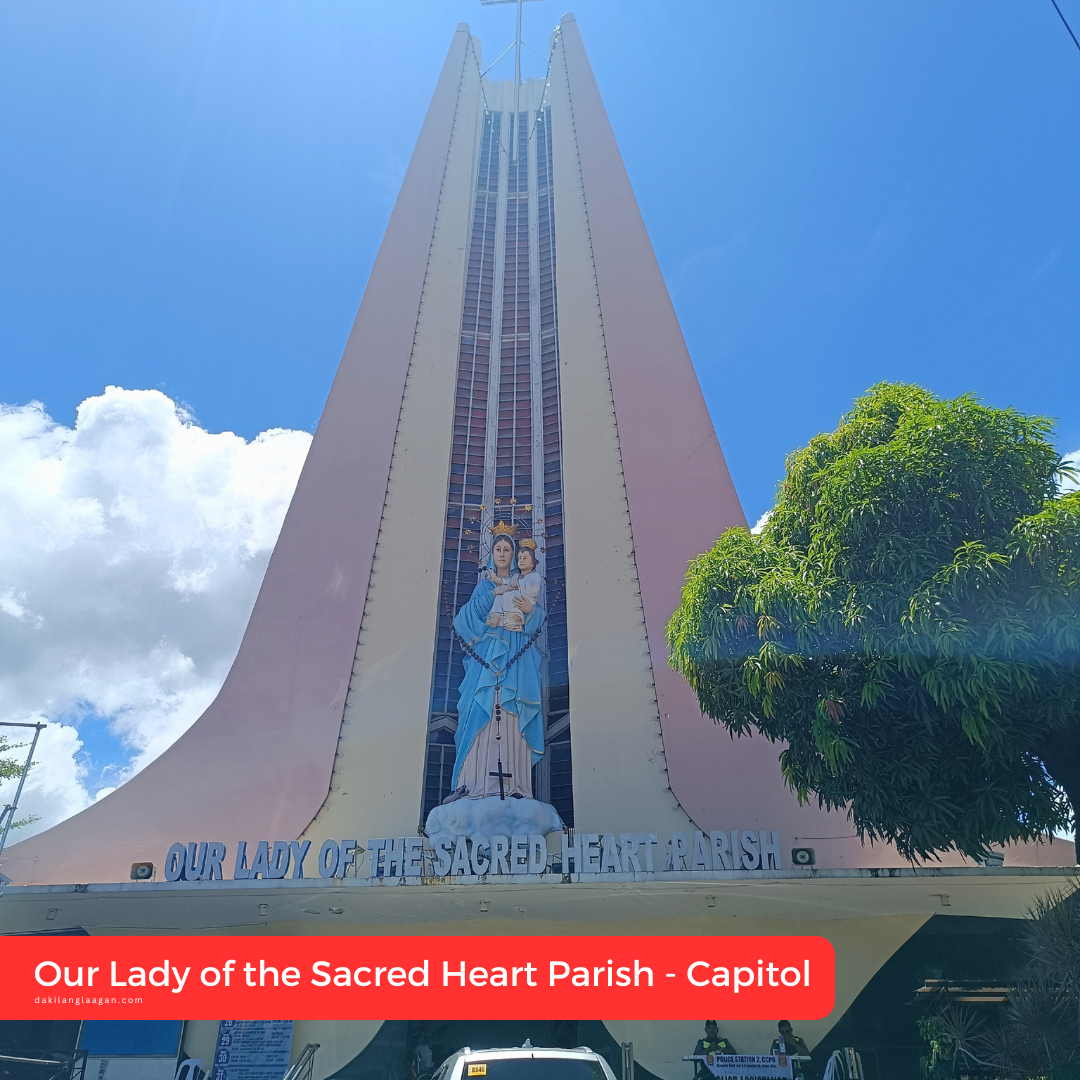
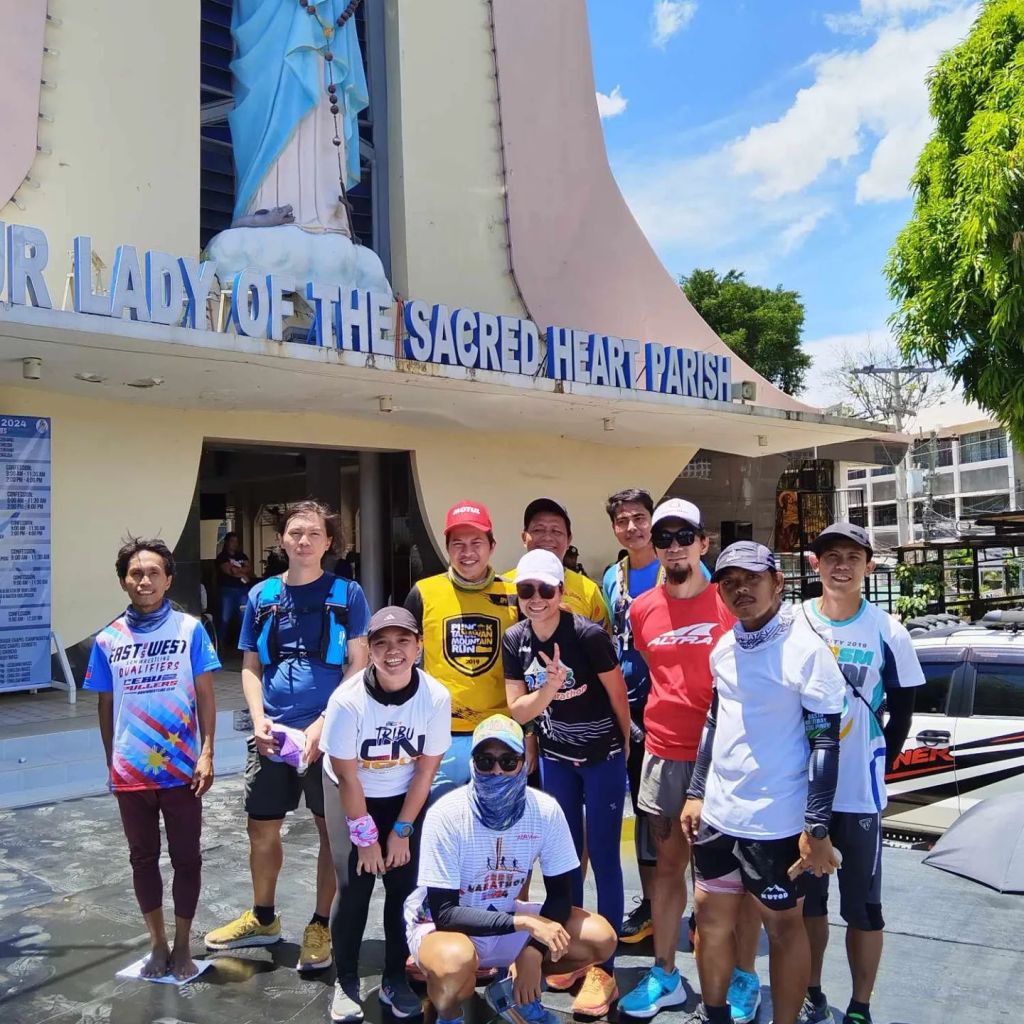
For our last stop, we culminated the Visita Iglesia Run 2024 at the Our Lady of Sacred Heart Parish in Capitol. Founded on August 22, 1963, the church was initially administered by the Missionaries of the Sacred Heart before transitioning to diocesan clergy in 1979. In celebration of its 50th anniversary as a parish, Archbishop Jose S. Palma declared a special year of grace, designating the church as a pilgrimage site from August 22, 2013, to August 22, 2014. During this time, attendees of masses and anniversary events could receive plenary indulgence after specific prayers.
The church’s facade features a prominent tall pediment against the blue sky, made of tapering blue concrete flanked by a white pierced wall. At its base stands the patroness with the Holy Child on clouds, topped with a cross. Accessible via a flight of stairs leading to a portico with a cantilevered ceiling, the entrance is through a rectilinear door. Inside, stained glass windows depicting the Stations of the Cross adorn the space alongside side arch entrances.
Most of the churches we visited this year are in central Cebu City and the southern area. But last year, we explored churches in the northern district, which are also historically and religiously significant. If you’re planning a church tour in Cebu City, you may consider visiting these churches too.
Chapel of Our Lady of Miraculous Medal (Asilo de la Milagrosa)

The Asilo dela Milagrosa Church, constructed in the 1950s, stands as a regional historic landmark and holds ties to the Daughters of Charity of St. Vincent de Paul. Founded by five former students of Colegio de la Inmaculada Concepcion in Cebu City, the church exhibits Gothic influences evident in its stained-glass lancet windows. Adjacent to the church lies a serene garden plaza, while within its premises, a charity home accommodates elderly individuals and orphans.
Devotees of the church place profound faith in the Miraculous Medal, elevating the Chapel of Our Lady of the Miraculous Medal to a revered site for prayer and pilgrimage. This conviction attracts believers globally seeking solace and protection through fervent devotion to the Virgin Mary.
Archdiocese Shrine of St. Therese of the Child Jesus

Following the liberation of Cebu City in 1945, the Chapel of St. Therese of the Child Jesus in Lahug, built in 1938, lay in ruins except for its bell tower and a few remnants. Led by Juan Alburo, the community embarked on a reconstruction effort, transforming the dilapidated chapel into a refurbished place of worship by 1959. Alburo’s leadership and community mobilization played a pivotal role in the restoration process, culminating in the celebration of the first post-liberation mass.
The rebuilt chapel became a symbol of resilience and determination for the community, spurring aspirations for parish status. Through relentless efforts and fundraising endeavors, the dream was realized in 1964 when Archbishop Rosales established the Parish of St. Therese. However, financial challenges persisted, prompting various initiatives, including the formation of the St. Therese Parish Pastoral Council in 1967, yet sustainability remained a formidable hurdle for the newly established parish.
Carmelite Monastery of Cebu

The Carmelite Monastery, established in 1949 in Mabolo, Cebu City, has emerged as a revered religious landmark, offering solace and sanctuary to individuals seeking spiritual refuge. Notably, during the People Power Revolution, it provided shelter to prominent figures like President Aquino, solidifying its significance in Philippine history. Over the years, the monastery has drawn devotees who flock to attend Mass, light candles, and offer prayers, finding peace amidst its tranquil surroundings.
Annually, the Feast of Our Lady of Mount Carmel attracts a multitude of visitors to the monastery, who participate in religious rituals and traditions while immersing themselves in the festivities. Despite its modern setting, the Carmelite Monastery remains deeply rooted in tradition and spirituality, with devotees continuing the practice of offering eggs as symbols of prayer and supplication, highlighting the enduring significance of this sacred site in the hearts of believers.
Saint Joseph the Patriarch Parish – Mabolo

St. Joseph Parish Church, also known as Mabolo Church, is a Roman Catholic church located in Mabolo, Cebu City, Philippines. Initially part of the Parish of San Nicolas and later of Opon during the Spanish era, it was granted parish status on December 9, 1847, leading to the renaming of the town to Mabolo on April 3, 1850.
Constructed in the Neo-Gothic style during the 1920s, the church has undergone significant renovations over the years. Despite sustaining damage from the 7.2-magnitude earthquake in October 2013, it still retains its historical charm, featuring a columbary and preserving a bell cast in 1892. The church’s architecture showcases pointed arches, a prominent portico, stained glass windows, and a distinctive octagonal belfry, reflecting its rich heritage and cultural significance in Cebu’s religious landscape.
What churches in Cebu City have you been to? You see, Cebu City is more than just a bustling urban center; it’s a living testament to centuries of history and faith, embodied in its majestic churches. These architectural marvels stand as enduring symbols of the city’s rich cultural heritage, inviting visitors to delve into its past and discover the stories woven into its streets and structures. Whether you’re a devout pilgrim or a curious traveler, exploring these sacred sites offers a glimpse into the soul of Cebu, where tradition and modernity intertwine to create a truly unforgettable experience.
See you at the next Visita Iglesia Run?
 Dakilanglaagan