Note: Despite the resumption of hiking activities on mountains post-COVID pandemic, Mt. Maculot remains restricted from hiking and pilgrimage activities, as municipal environmental authorities have yet to wrap up their comprehensive rehabilitation and reforestation of the town’s top tourist destination.
***
There are moments in your early twenties when logic politely steps aside and lets impulse take the wheel. I had plenty of those moments, but one of the most memorable involved a late Friday night flight from Cebu to Manila. I came straight from the office, still half in work mode, dragging my backpack through airport security with barely enough time to process what I was doing. By Saturday night, I was already booked on a return flight because I had an important event to attend on Sunday. No extended vacation, no elaborate itinerary. Just one goal in mind: Mt. Maculot.
Looking back, I still cannot fully fathom what summoned my friends and I to do something that ridiculous. Maybe it was the clout, the way Mt. Maculot seemed to be everywhere online at the time. Maybe it was the seat sale that made bad decisions feel financially responsible. Or maybe it was simply the mountain itself, its inviting and bewitching beauty calling out to anyone who had even the slightest itch for adventure. After hiking several mountains in Cebu, there was an unspoken understanding among us that if we truly called ourselves adventurers, we had to step outside our comfort zone, leave our home province, and explore the many other wonders the Philippines had to offer.
At that moment, Mt. Maculot felt like a rite of passage.
About Mt. Maculot: What You Need to Know
Located in Cuenca, Batangas, Mt. Maculot stands at approximately 957 meters above sea level. On paper, that elevation does not immediately intimidate seasoned hikers who chase higher summits and thinner air. But that is precisely what makes Mt. Maculot a perfect starting point for beginners. It offers a challenge without being overwhelming, an adventure that would keep you sore the next day, but no regrets would definitely inspire you to do it once again.
The climb to the summit is usually completed within a few hours, of course, depending on pacing and trail conditions. The paths are well established, shaped over time by countless hikers and pilgrims who have made their way up the mountain. And then there is the summit. The reward that makes every step, every pause for breath, completely worth it.
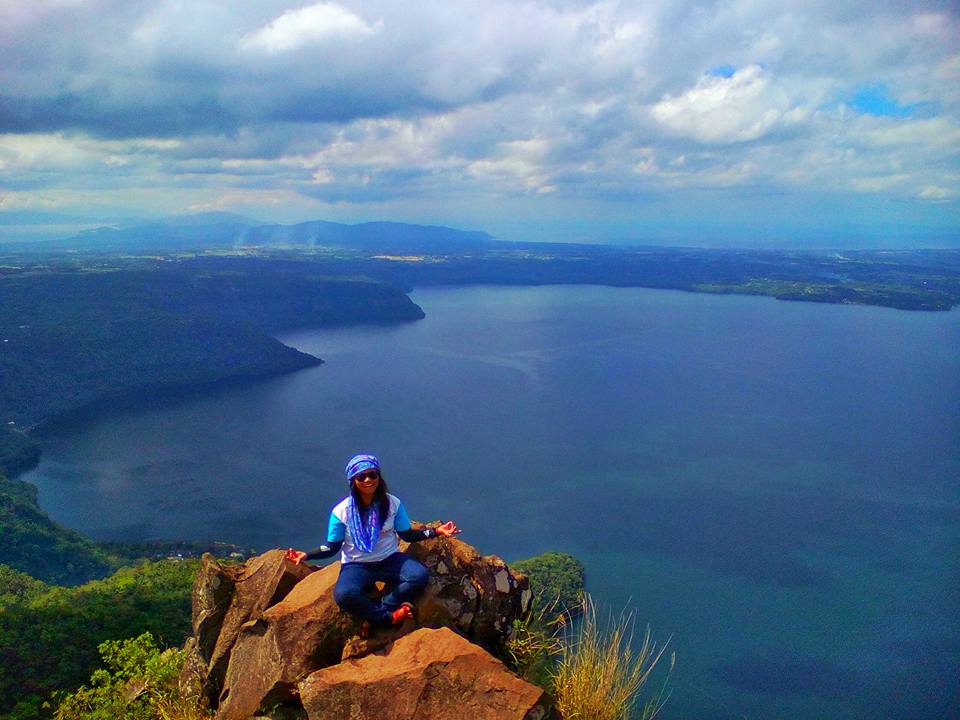
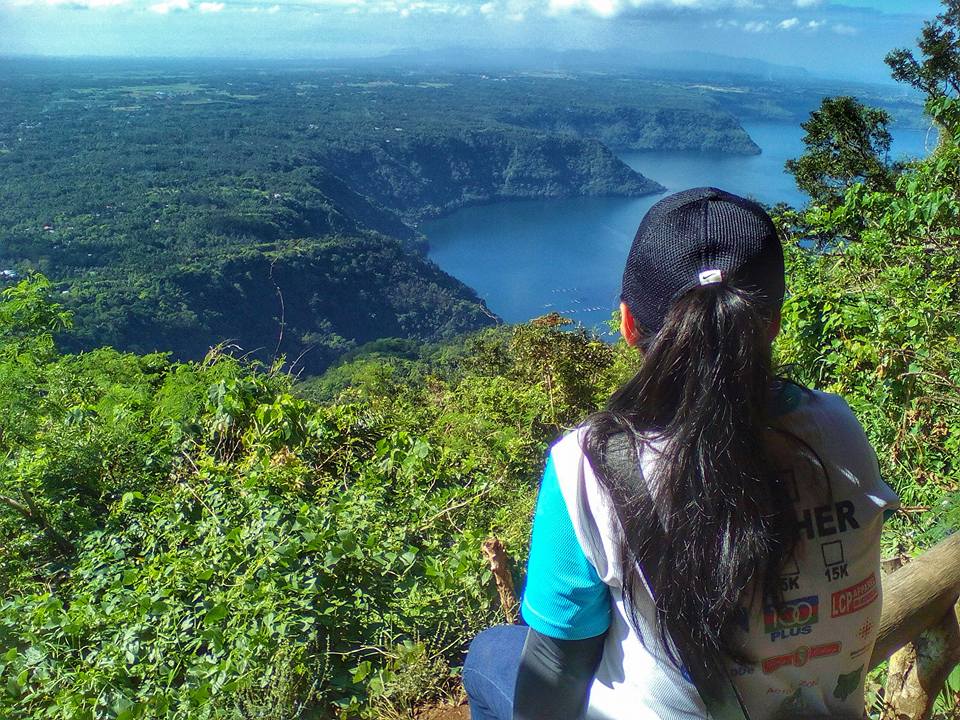
From the Rockies, the most famous viewpoint of Mt. Maculot, you are treated to a majestic view of Taal Lake, with Taal Volcano sitting quietly yet powerfully at its center. On a clear day, the view stretches nearly 300 degrees, offering sweeping scenes of Batangas and its surrounding towns. It is the kind of view that silences conversations. The kind that makes you sit down, steady your breathing, and simply take it all in.
Despite its relatively low elevation, Mt. Maculot is not a mountain to underestimate. Among local hiking communities, it has earned a reputation because of the stories told in hushed voices and exaggerated hand gestures among locals. Some even speak of disappearances and tragic accidents involving seasoned hikers. Whether you believe these stories or not, they add an undeniable layer of mystery to the mountain.
Yet Mt. Maculot is also deeply spiritual. Midway up the steep slope lies a grotto that draws religious pilgrims, especially during the Lenten season. Devotees climb the mountain barefoot, carrying prayers and intentions sometimes heavier than their packs. This coexistence of adventure, danger, and devotion gives Mt. Maculot a unique character that is hard to replicate elsewhere. One that showcases the intricate relationship between adventure and culture.
What to Prepare for Mt. Maculot Climb
Now, be warned. Do not let the beginner-friendly label lull you into complacency. Like any other mountain, Mt. Maculot demands respect and preparation.
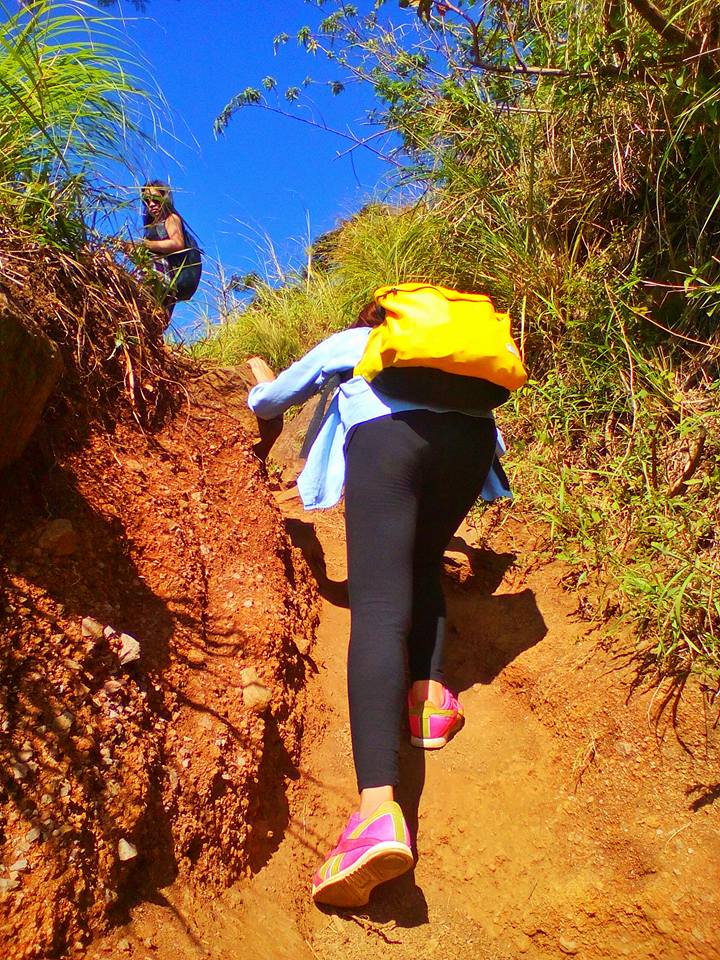
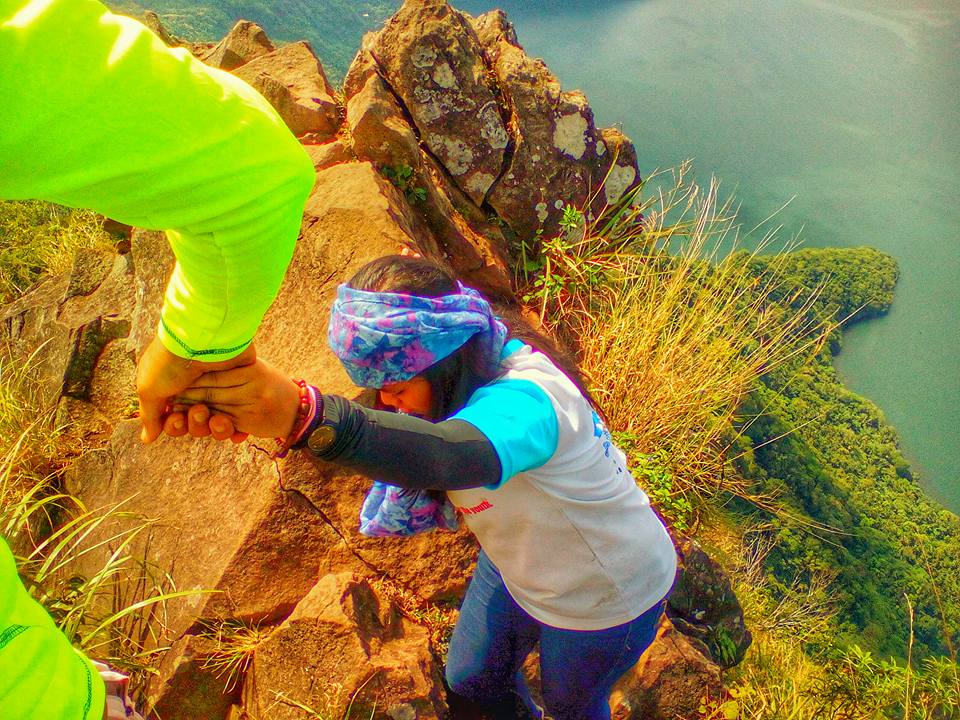
At 957 meters above sea level, the elevation itself requires a certain level of physical readiness. The trail, while established, presents several challenges. Loose soil is common, a result of erosion caused by the increasing number of hikers over the years. There are technical assaults that require rope assistance, and certain sections feel almost cliff-like, where one misstep can quickly turn dangerous.
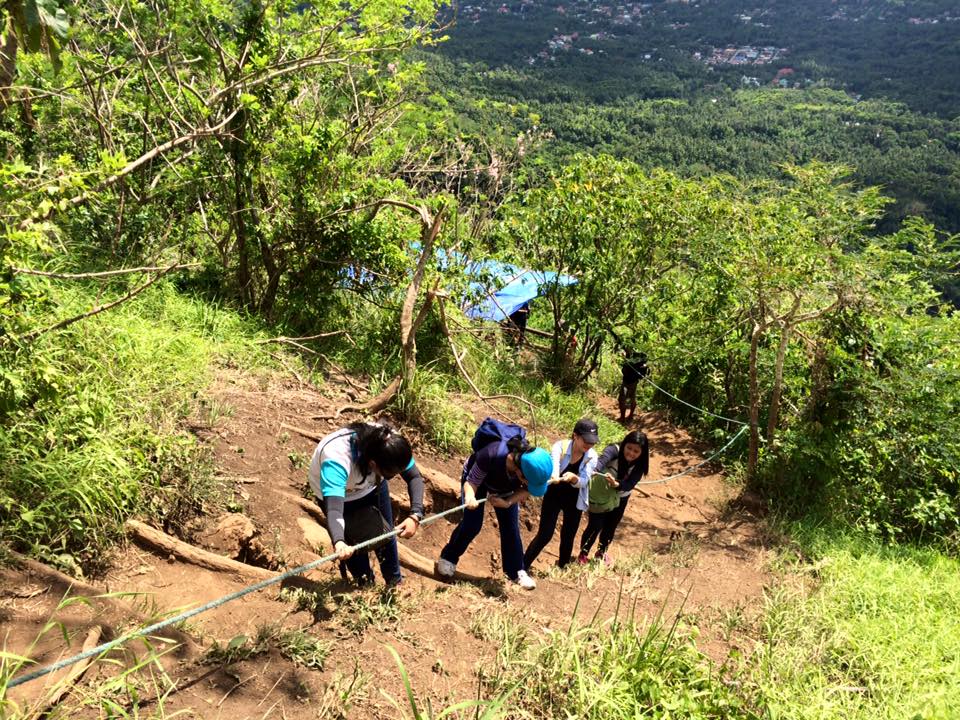
Preparation is essential. Hydration should be part of your priority. Bring enough water to last the entire climb, plus extra if you tend to sweat heavily. Trail food is equally important, especially items that provide quick energy, such as bananas, trail mix, or energy bars. Pocket money is useful for guide fees, registration, and unexpected expenses.
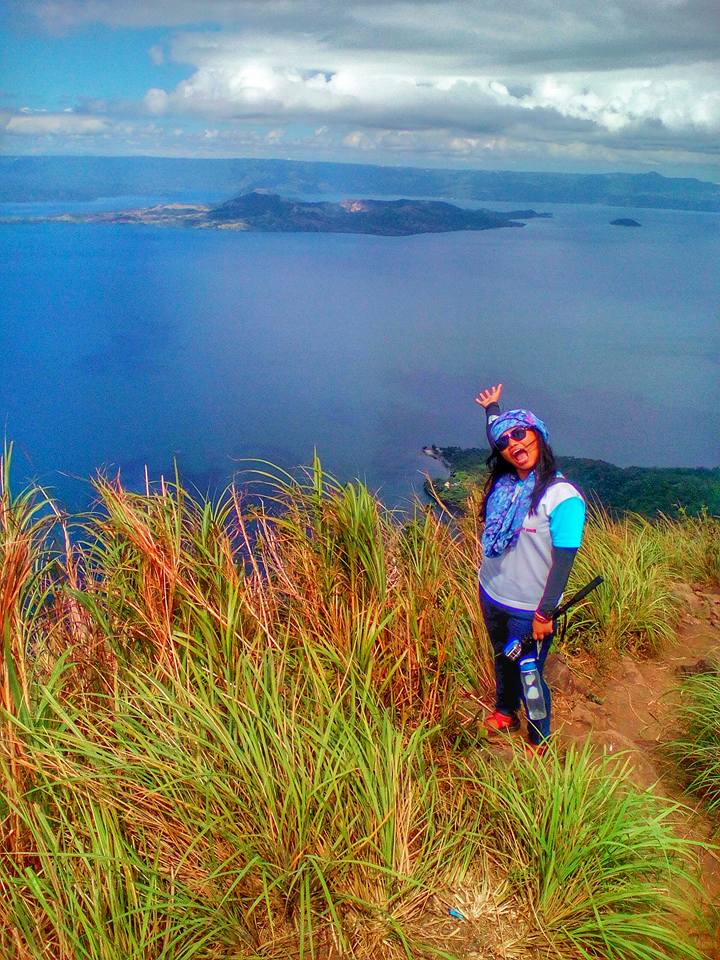
Protective gear can also make a significant difference. Arm sleeves help shield your skin from the sun and from scratches along narrow trails. Gloves are highly recommended, especially for rope-assisted sections where grip is crucial. Sunscreen is non-negotiable, as several parts of the trail and the summit itself are directly exposed to the sun. A cap or hat helps manage heat, and comfortable hiking clothes allow you to move freely and focus on the climb rather than discomfort.
And most importantly, beyond physical preparation, bring the right mindset. Hike with patience. Respect the mountain. Be mindful of your pace and of those hiking with you. And most importantly, bring a smile. Enjoy the view. Enjoy the shared struggle. Enjoy the strangers who become temporary companions along the trail. These moments are as much a part of the hike as the destination itself.
How to Get to Mt. Maculot
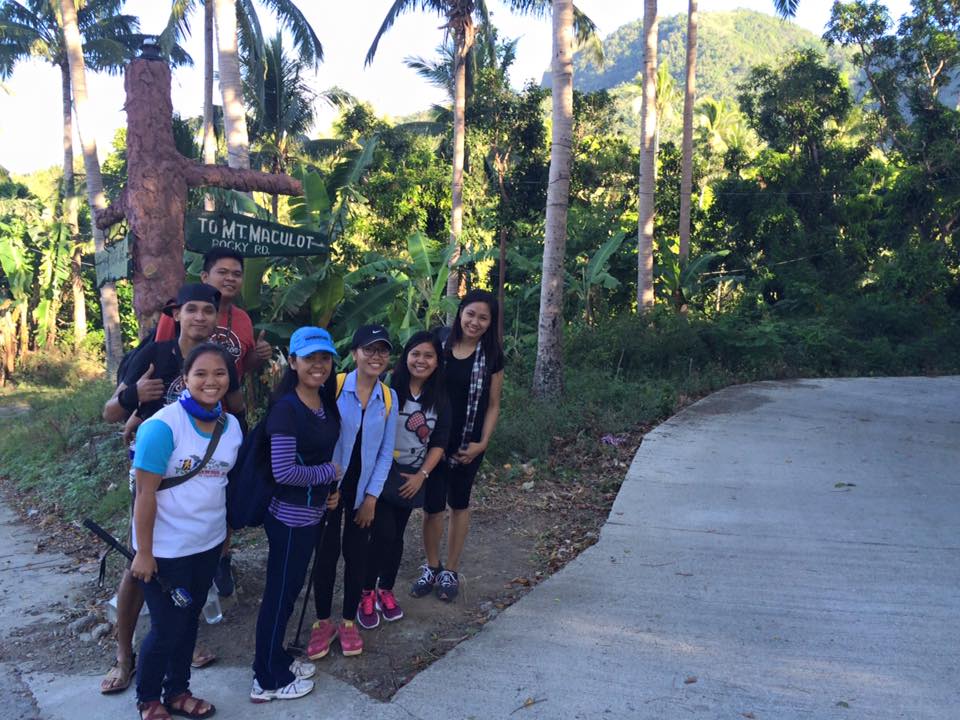
From Cubao or Pasay, ride any bus bound for Lemery. The drivers are quite familiar with Mt. Maculot, so simply inform them that you wish to be dropped off at the jump-off point in Cuenca. Travel time usually ranges from two and a half to three hours, depending on traffic conditions. Upon arrival, take a tricycle going to the barangay outpost where hikers are required to register. This is also where you will be assigned a tour guide. Hiring a guide is mandatory and for good reason, as they ensure safety and help manage the flow of hikers. After registration, proceed to the starting point of the trail. Take time to warm up, stretch properly, and mentally prepare yourself for the climb ahead.
Mt. Maculot: Personal Reflection
There is something about Mt. Maculot that stays with you long after the hike ends. Maybe it is the contrast between its accessibility and its intensity. Maybe it is the way the mountain humbles you, reminding you that even beginner-friendly destinations demand respect. Or maybe it is simply the memory of standing at the summit, wind brushing against your skin, staring at a landscape that feels impossibly vast.
I often think about hiking Mt. Maculot again, once its trails are finally reopened to the public. I imagine feeling the familiar mountain breeze, testing my endurance and strength against its technical assaults, and meeting people from different walks of life who all chose the same mountain on the same day for entirely different reasons. Like always, mountains have a way of bringing people together without forcing conversation. You share effort, silence, and awe, and somehow that is enough.
The mountains have always felt like home to me. They are places of challenge and comfort, of solitude and connection. Mt. Maculot, in particular, represents a chapter of my life when adventure did not need careful planning or long explanations. It only needed a ‘yes.’
When Mt. Maculot opens its trails again, I know I will return. Not to chase clout or trends, but to reconnect with that version of myself who believed that a weekend flight and a few hours on a mountain could make the world feel bigger and life feel lighter. And maybe that is the real gift of mountains. They remind us that no matter how far we wander or how busy life becomes, there will always be paths that lead us back to who we are.
 Dakilanglaagan