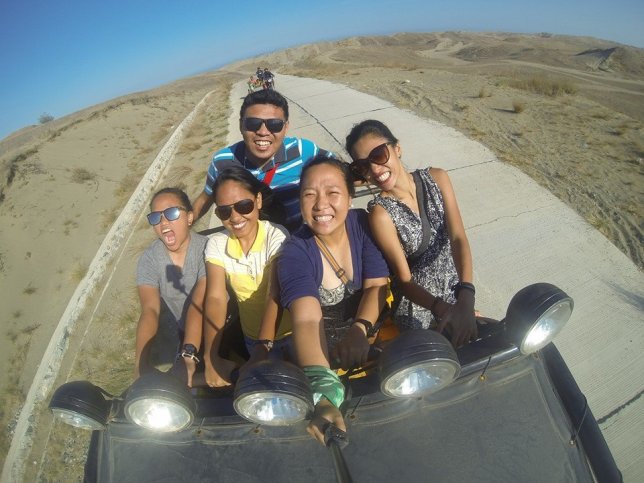
Sandboarding and windmills—these were actually the only things that we had in mind when we planned to visit Ilocos Norte. But the province exudes more than the adventure it promised. Far beyond the adrenaline, we got more than what we bargained for unexpected lessons in history, the taste of hearty dishes, immersion with locals, and memories to keep for a lifetime.
EVERYTHING YOU NEED TO KNOW ABOUT ILOCOS NORTE
- Fun Facts about Ilocos Norte
- Places to Visit in Ilocos Norte
- What to eat when in Ilocos Norte
- Where to Stay in Ilocos Norte
- How to get to Ilocos Norte
FUN FACTS ABOUT ILOCOS NORTE
Ilocos Norte is a province located in the northern part of the Philippines. It is part of the Ilocos Region (Region 1) and is noted to be the birthplace of former President Ferdinand Marcos. The province is bordered by Cagayan and Apayao to the east, Abra and Ilocos Sur to the south, and the West Philippine Sea to the west.
PLACES TO VISIT IN ILOCOS NORTE

While we only expected to see the renowned Bangui Windmills and experience Paoay’s sandboarding adventure, we learned that there are so many places that can be visited in Ilocos Norte. Here are some of the places we visited during our trip:
Paoay Sand Dunes (Paoay, Ilocos Norte)
Our tour around Ilocos Norte began with a sand dune adventure in Paoay. Imagine us all sleepy from a seven-hour bus trip from Manila, picked up by our contracted tour driver, and brought to these vast sand dunes. Exhilarating, my friends.

Paoay Sand Dunes adventure consists of riding a 4×4 rough riding vehicle, screaming to the top of your lungs for about 30 minutes during the thirty-minute sand dunes tour, and of course, sandboarding over sand folds in this vast landscape. This 88-hectare spread of sand and wild landscape is a perfect place for adventure seekers who do not fear to slide, trip over, and climb again and again until the photo op is perfected.
Bangui Windmills (Bangui, Ilocos Norte)
Getting to see the Bangui Windmills is a longtime dream of mine. Coming from a hot and humid tropical island, who wouldn’t want to see a giant fan for real?

The Bangui Wind Farm is composed of 20 units of 70-meter-high wind turbines purposely arranged in a single row facing the West Philippine Sea. These windmills are brilliant technological innovations that have powered the region’s electricity. As it is located in the west, it is best to see these windmills by sundown to capture more captivating scenes along the shoreline.
Malacañang of the North (Paoay, Ilocos Norte)
We honestly didn’t think that another Malacañang existed in this part of the province. Malacañang of the North is a presidential museum that has also become the residence of the Marcos family since Ferdinand Marcos was still the President of the Philippines.
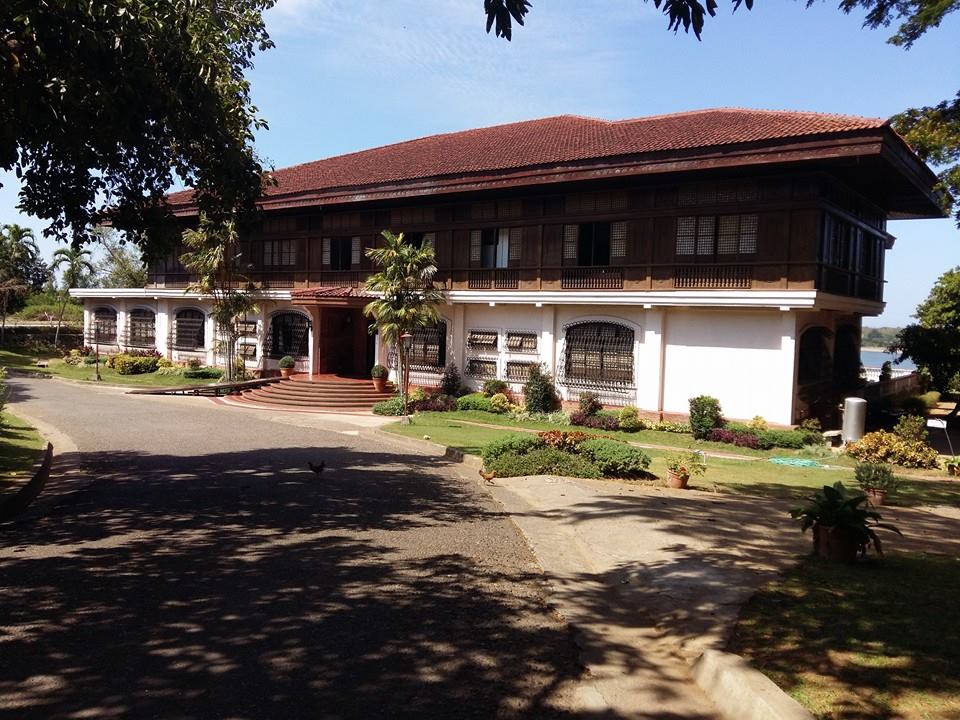
Malacañang of the North is a two-story mansion with an overlooking view of Paoay Lake. This grand mansion has seven rooms with themes revolving around the historical events that happened during the time of Marcos. The property was turned over to the Ilocos Norte provincial government in 2010 and was made open for tourist visits.
San Agustin Chuch (Paoay, Ilocos Norte)
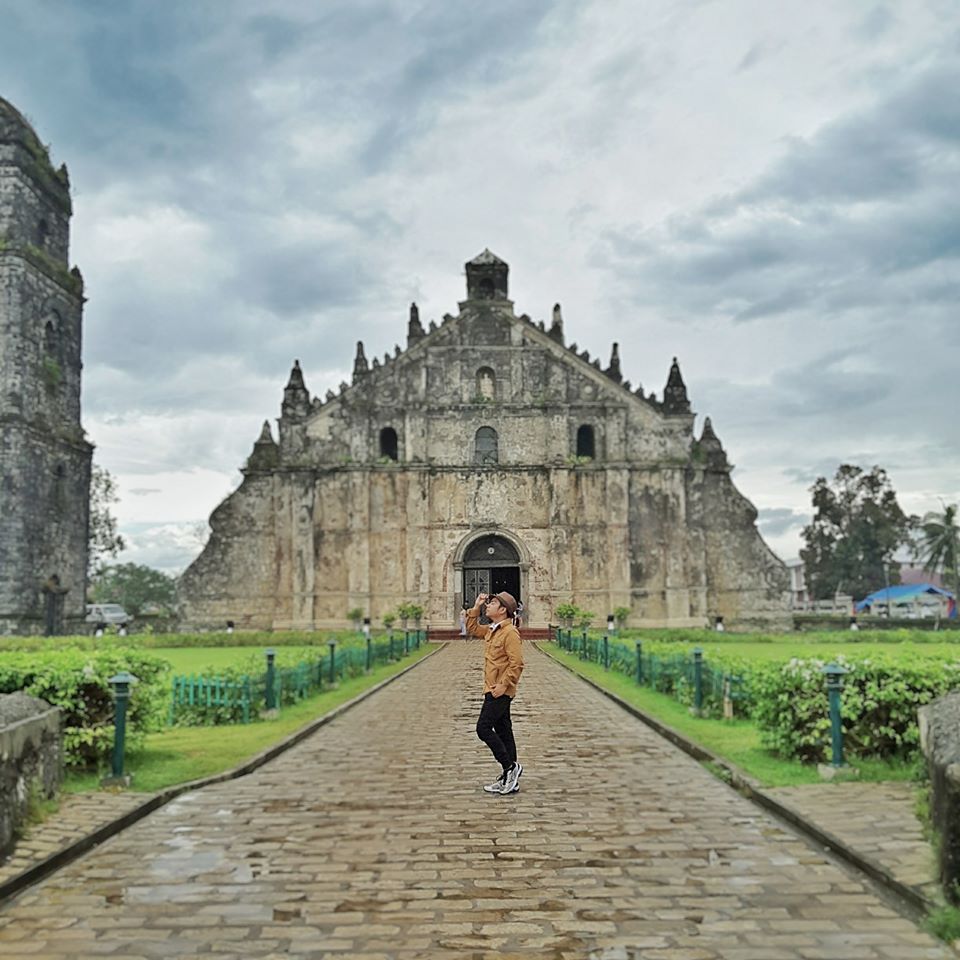
Another unexpected spot that we were able to visit during the trip was the renowned San Agustin Church, which is also known as the Paoay Church. It is one of the oldest churches in the Philippines and was declared a National Cultural Treasure of the country in 1973.
In 1993, Paoay Church was included in the list of the UNESCO World Heritage Site’s collective group of baroque churches in the Philippines. The impressive pyramid-like structure and thick walls made from coral stones and bricks of Paoay Church made it stay unshaken by earthquakes and natural disasters for years.
Also read: Discover Philippines: UNESCO World Heritage Sites that you can visit!
Sinking Bell Tower (Laoag, Ilocos Norte)
Another interesting attraction in Ilocos Norte is the mysterious sinking bell tower located in Laoag City. It is one of the most indestructible structures in the country that has withstood the test of time since its construction and has left many curious about its oddities.
First, unlike many bell towers, it is built a few meters away from the cathedral—the St. Williams Cathedral. Second, despite its “earthquake baroque” style architecture, it is believed that the Sinking Bell Tower of Laoag has been sinking at a rate of an inch per year.
Patapat Viaduct (Pagudpud, Ilocos Norte)
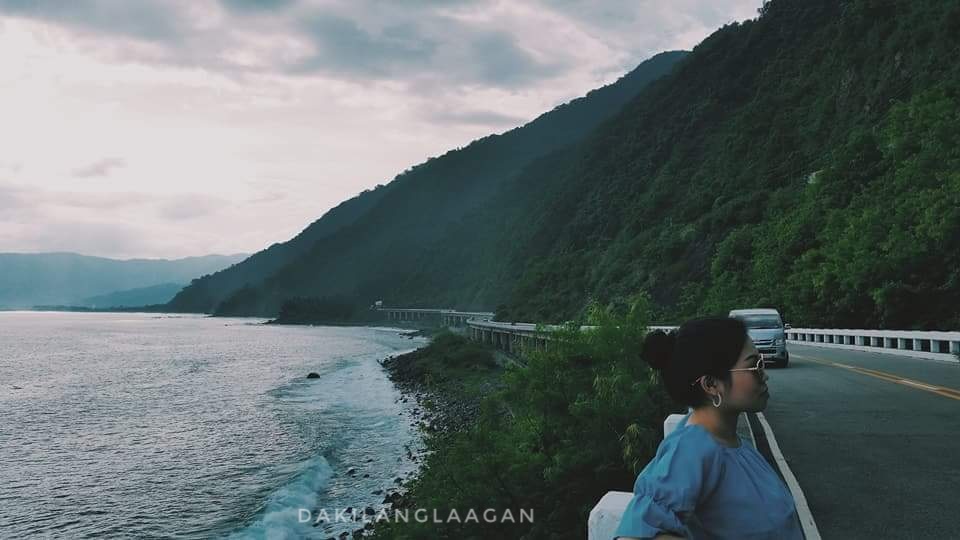
Patapat Viaduct in Ilocos Norte is an elevated bridge that connects the Maharlika Highway from the Ilocos Region to Cagayan Valley. This beautiful concrete bridge that rises along the town’s coastal mountains is one of the longest in the country.
Also read: When the right time comes, I will no longer need to travel alone
Kapurpurawan Rock Formation (Burgos, Ilocos Norte)
Kapurpurawan Rock Formation is probably one of the most delicately crafted works of art by nature in Ilocos Norte. This rock formation is known for its creamy white and streamlined limestone formations, which have been made from the accumulated particles deposited to the shore by the waves and wind of the coasts.
Cape Bojeador Lighthouse (Burgos, Ilocos Norte)
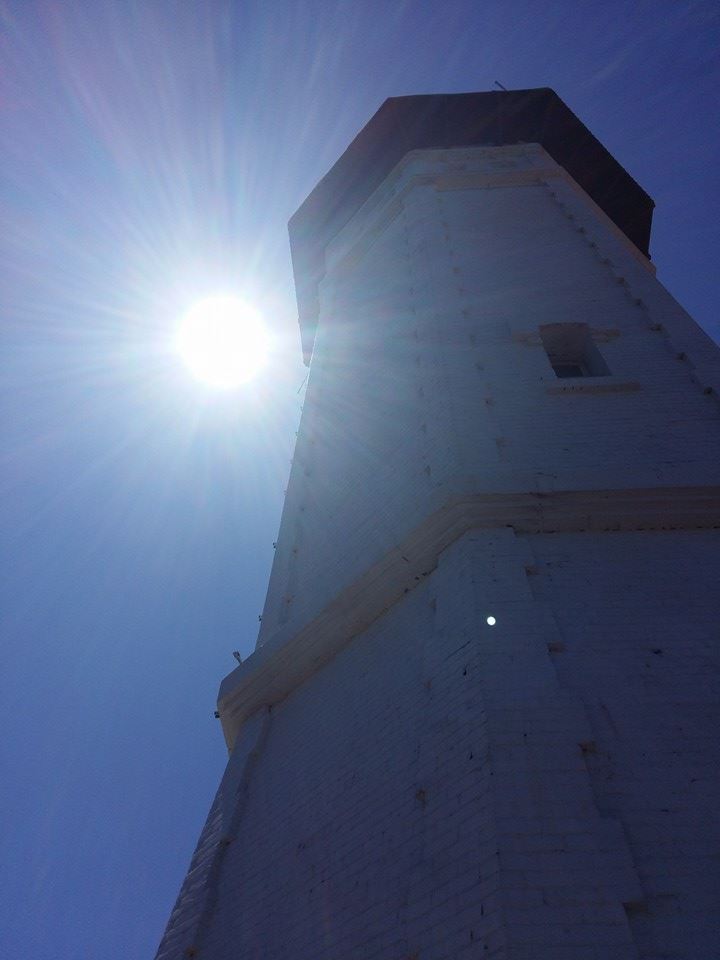
Cape Bojeador Lighthouse, or Burgos Lighthouse, is one of the most renowned cultural heritage structures in Ilocos Norte. It was built during the time of the Spaniards and was historically lit on March 30, 1892. It stands on top of Vigia de Nagpartian Hill, where galleons sailing around at that time can be strategically overlooked. It stood still for more than 100 years and, up until now, has helped many ships in the Philippines safely sail on the rocky coasts of the town.
Cape Bojeador is not the tallest in the Philippines. Rather, it is the highest-elevated lighthouse in the country that is still original and active ever since its construction.
WHAT TO EAT WHEN IN ILOCOS NORTE

One of my favorite treats that happened during our trip to Ilocos Norte was being able to try the renowned Ilocano dishes.
Ilocos Norte’s Empanada
A trip around Ilocos Norte would never be complete without having to taste Ilocos’ favorite street food, the empanada. While the empanada that I grew up with is made up of ground meat, boiled eggs, raisins, potatoes, and carrots, their empanada is made from bean sprouts, eggs, and longganisa. Another variation is the one filled with shrimp and then dipped in vinegar.
Ilocano Bagnet
Another local favorite is Ilocos’ version of pork cracklings, known locally as bagnet. This Ilocano dish is cooked by deep-frying the pork belly with its own fat and then air-drying it until the fat is drained. The process is repeated until the pork reaches its maximum crispiness.
Ilocano Pinakbet
I’m quite a picky eater, but Ilocos’ pinakbet is truly a must-try! While this vegetable dish is quite known all over the country, what makes the Ilocano version of pinakbet different is the inclusion of eggplants, ampalaya, and fermented fish sauce (bagoong) to season the dish.
Garlic
Because of the geography and climate type of Ilocos Norte, garlic grows abundantly in the Ilocos Region. This is a common condiment added to almost all Ilocano dishes to make them more aromatic. Because of the uniqueness of the garlic in Ilocos, my friend was even convinced to buy several kilos to bring home.
Dragon Fruit
Dragon fruits don’t usually grow in the province where I come from. So imagine my astonishment upon seeing tons of dragon fruits all over Ilocos! Locally known as “saniata”, dragon fruits are produced in the province all year round. In fact, there is a farm where tourists and locals can learn more about growing dragon fruits and even pick them off the trees. In addition, the province of Ilocos Norte hosts a “Dragon Fruit Festival” every July.
WHERE TO STAY IN ILOCOS NORTE
We stayed in different accommodations during our trip to Ilocos Norte. There are several cheap hotels and even transients to choose from. Here are some renowned accommodations in Ilocos Norte:
- Fort Ilocandia Resort
- Playa Tropical Resorts Hotel
- Alta Vista Ilocandia, Inc.
- Java Hotel
- Palm Grove Saud Holiday Complex
- Amici Resort Hotel Laoag
- Kingfisher Resort
Tip: Aside from Booking.com and Airbnb, you can also check AirAsia SuperApp for amazing deals and discounts on accommodation for your trip to Ilocos Norte.
HOW TO GET TO ILOCOS NORTE
In case you’re planning to get around Ilocos Norte, here’s how to easily get to this province:
- By bus
To save time from traveling, you may opt for the overnight bus trip to Ilocos Norte. There’s a 10 p.m. bus in Partas Cubao that goes all the way to Laoag and arrives at eight in the morning.
- By plane
If you don’t want to stress with long bus trips, you may choose the easier way around, which is the 45-minute airplane flight to Laoag.
If you are doing a DIY trip, you may hire a tricycle to tour you around Ilocos Norte. But if you want to save money, you may also opt for a jeepney ride when going to the different tourist spots. If you’re traveling in groups, I highly recommend an exclusive tour to save more time and money (as per head payment can go lower the more you are in the group).
 Dakilanglaagan