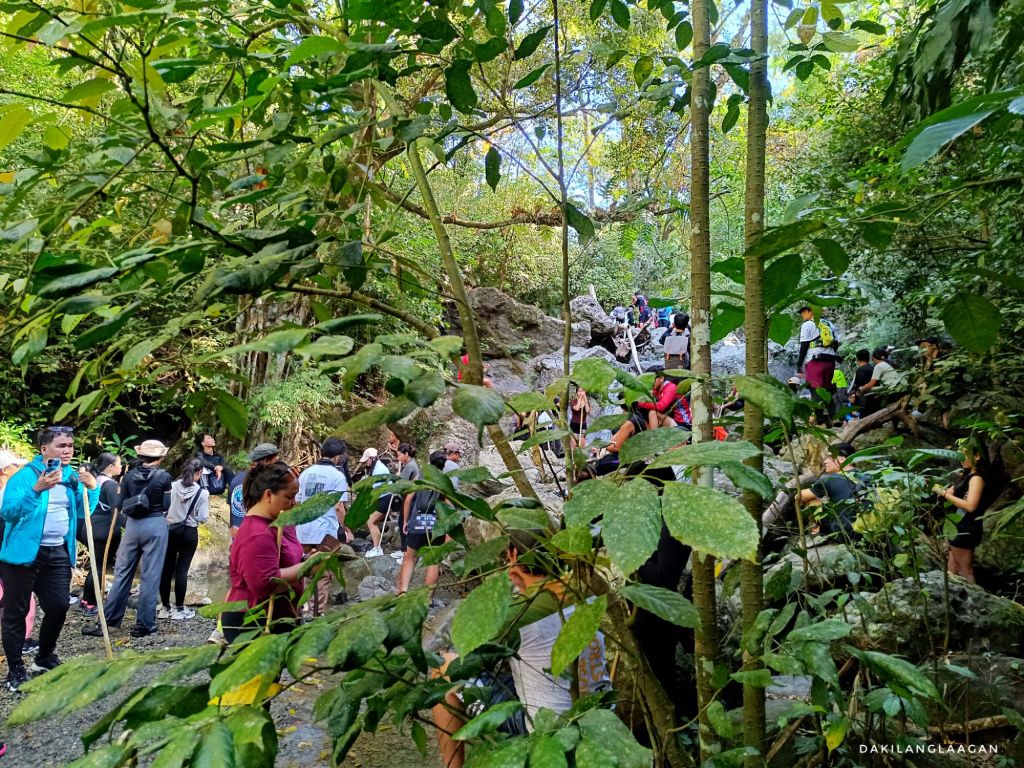
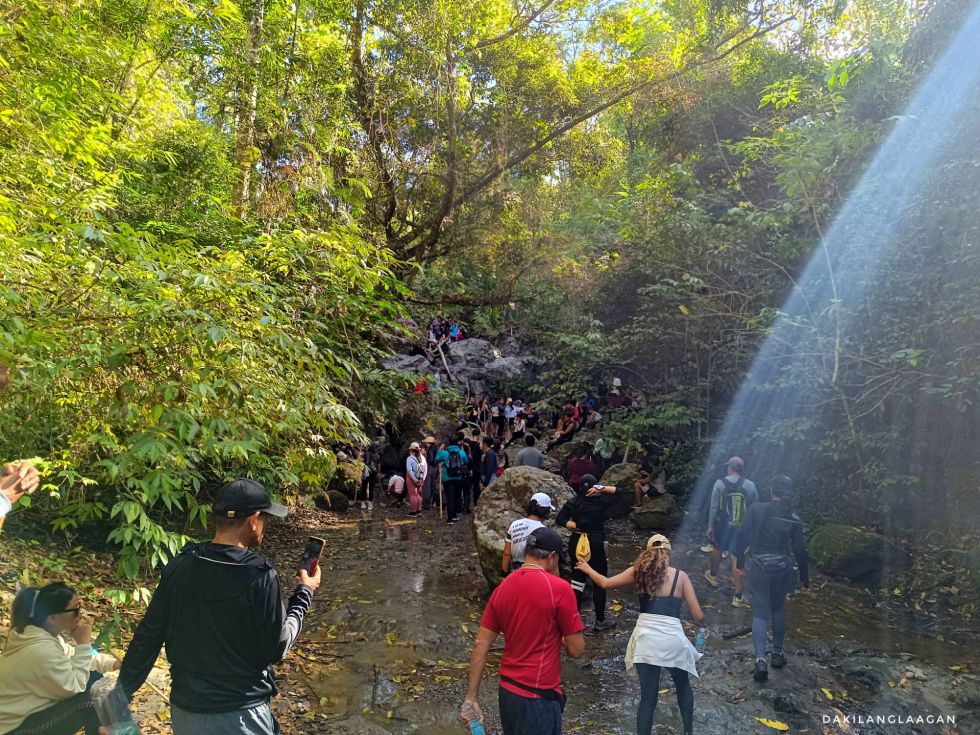
Reels and photos circulating across social media of how crowded Starbuks and Spartan Trail are have elicited discussion among seasoned hikers and outdoor enthusiasts.
Truly, the growing number of hikers in Cebu City’s top hiking destination can, at times, feel overwhelming. What once felt like a personal sanctuary, a quiet space where one could reflect while tracing nature’s path, now resembles something closer to an urban extension, filled with curious first-time hikers, groups of friends energized by the novelty of being somewhere unfamiliar, and individuals who are not entirely sure what they have gotten themselves into, except that an invitation was offered and they chose to accept it.
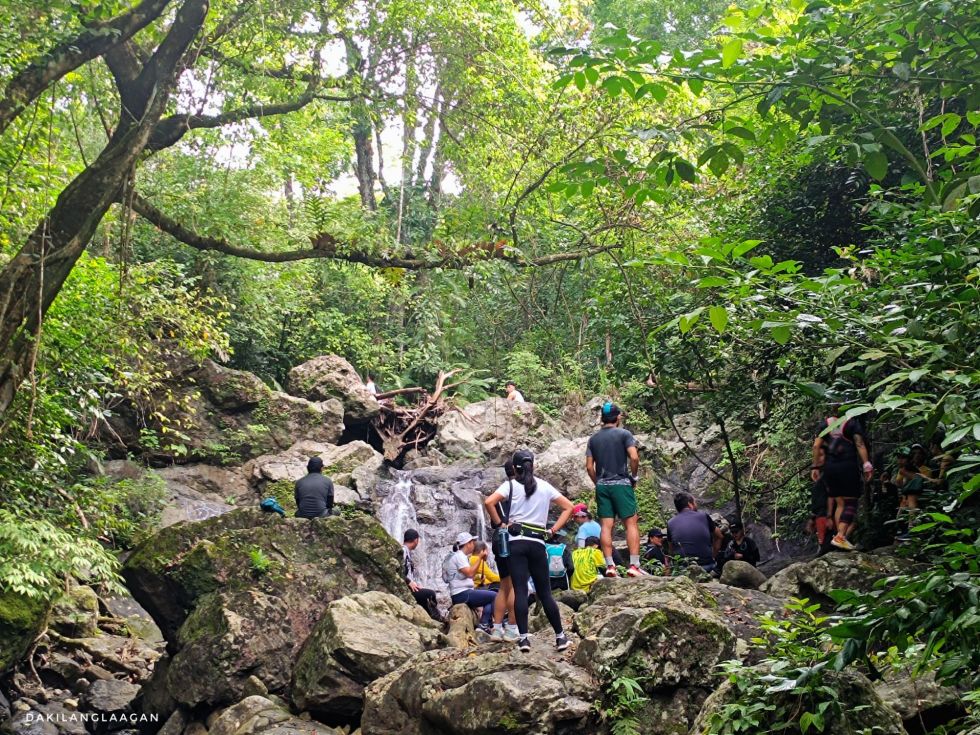
What used to be an exclusive trail for those who wanted to find peace, those who sought distance from the constant noise of the city, and those who trained their bodies for endurance and prepared themselves for major climbs, such as Mt. Talinis and Mt. Apo, has now become an inclusive space for anyone willing, curious, and brave enough to try.
It is easy to complain and to compare what it used to be with what it is now, to romanticize a past that felt quieter, more controlled, and more ours. But if there is one thing that both nature and society continue to insist upon, it is that nothing remains fixed, and every space that holds value will eventually be opened, shared, and redefined by the presence of others.
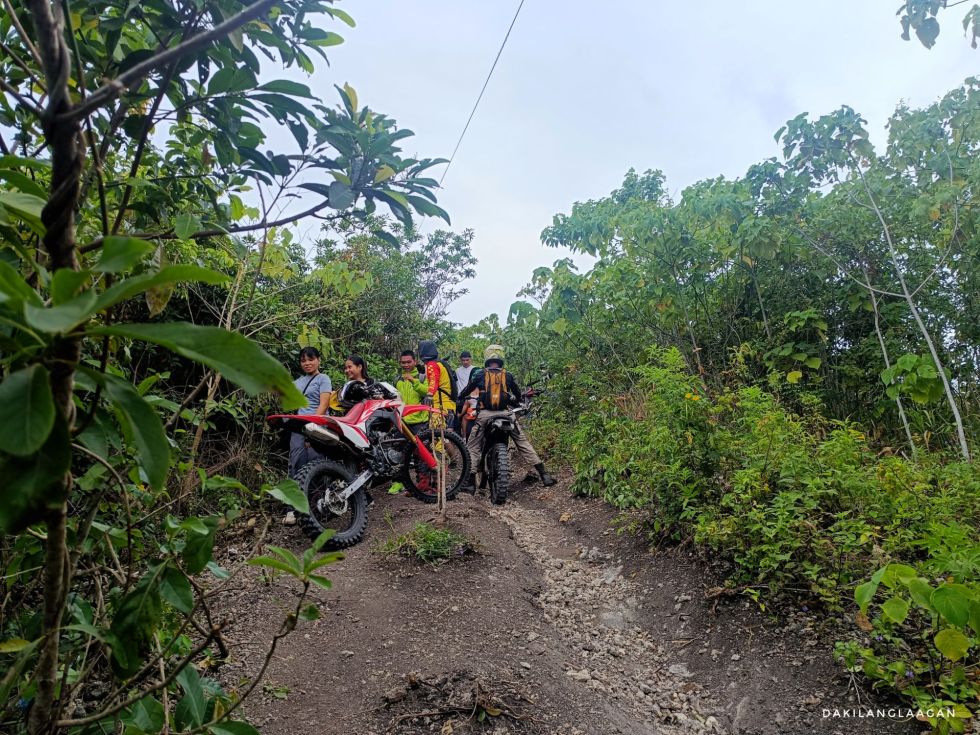
What used to depend on knowing someone within a small hiking circle has now become accessible through social media, where a single post can turn a local trail into a trending destination. What once required preparation and intention has, in many cases, been reorganized into guided schedules and organized groups, oftentimes shaped by economic opportunities. Even communities living along these trails have adapted, with local livelihoods increasingly tied to tourism and the steady flow of visitors—from those selling walking sticks, snacks, and water to those providing transportation upon descent. But while this has brought additional income and opportunity, it does not come without consequence, as the peace once experienced has been gradually replaced by a different kind of unsettling energy, one that does not always know how to be quiet, even at night.

But if you look closer, this shift reflects how access expands when visibility increases. Social media collapses distance and allows experiences to circulate widely, bringing together people from different backgrounds, each with their own motivations and expectations. The trail becomes a shared space where leisure, livelihood, and personal goals intersect. Some see it as a break from the 9-5 job, others as a form of work itself, and for many, it is simply an affordable way to experience nature. These overlapping realities can create friction, not only because of crowding, but also because of differing understandings of what the space is for and how it should be used.
At the same time, the discomfort many feel may not always be about the crowd and the noise. In most cases, it reflects a shift in how boundaries are experienced. Spaces that once felt familiar and limited to a certain group are now open to a broader public, and with that openness comes an adjustment period where norms are still being formed and negotiated.
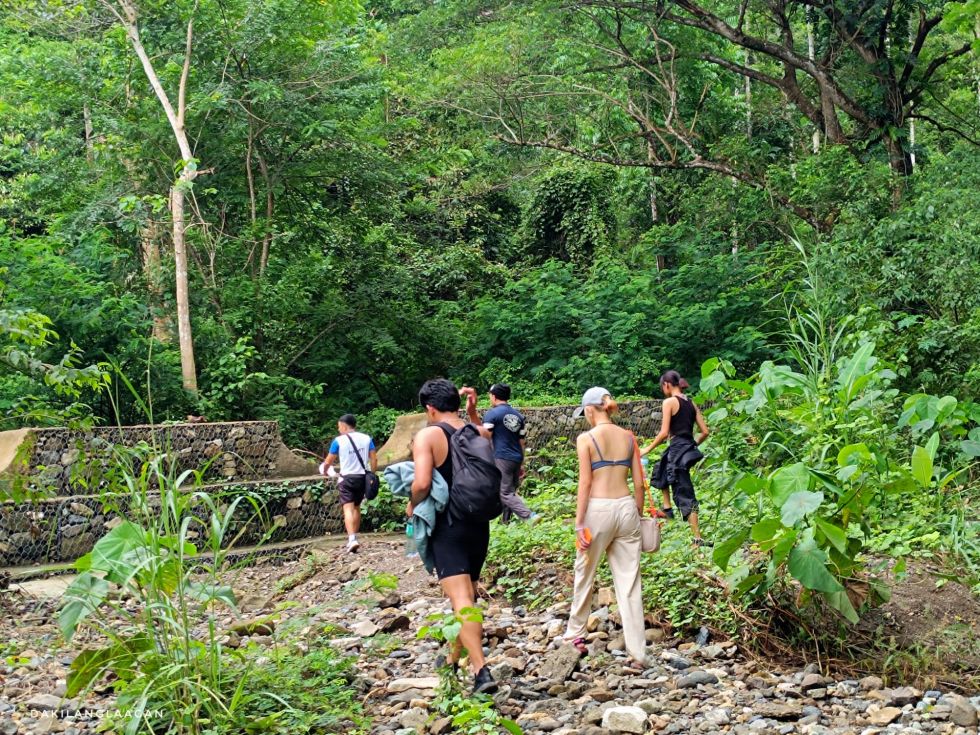
But just as seasons change, this trend may not last indefinitely. Rising costs of transportation and broader economic pressures have influenced how people choose to spend their time (especially students who are now on vacation), leading many to turn toward activities that require minimal expense, such as hiking and running. These activities become more appealing because they are accessible and offer a sense of movement, relief, and connection that does not depend heavily on resources. However, as with many trends, not everyone who tries is assured to return. Some will stay, while others will eventually move on as the trend fades and priorities shift.
As the adage goes, many are called, but few are chosen—not by the mountain, but by the demands it places on those who return, the discipline of waking early, the patience to endure discomfort, the humility to respect a space that does not belong to them, and the proactive call to answer concerns on degradation and sustainability. The surge will eventually pass, and only those whose hearts are truly captivated, those willing to answer the call of nature not only for personal escape but for sustainability, awareness, and responsibility toward something larger than themselves, are likely to stay.
In this context, perhaps the meaning is not found in wishing the trail would return to what it once was, but in understanding how to engage with it as it exists today. If the space has become more crowded, then the responsibility does not lie in withdrawing from it but in participating in a more conscious and deliberate way.
To be a hiker is to do more than simply hiking and complaining. It is to practice restraint when noise becomes easy, to correct rather than ignore when carelessness happens, to support systems that protect rather than exploit, and to understand that access must be matched with accountability. But just as important, it asks that we resist the impulse to polarize, to draw hard lines between those who ‘belong’ and those who are still learning, and to avoid reducing others into inconveniences rather than people. The presence of beginners is not a problem to be pushed away but a reminder that every experienced hiker once stood in the same place, uncertain, unprepared, and unaware.
The responsibility of preservation no longer belongs to a few who came earlier but to everyone who comes, and that includes the responsibility to guide rather than exclude, to model rather than mock, and to create a culture where respect for the trail is learned, shared, and sustained.
In this way, the mountain becomes not just a place we visit, but a space we collectively shape. And perhaps the real challenge now is not how to keep others out of the hiking destinations we so dearly want to keep for ourselves, but how to raise the standard of how we all enter so that even in the presence of many, what is essential is not lost but carried forward through the small, intentional choices each person decides to make along the way.
 Dakilanglaagan